

Do Cuff Bracelets Fall Off: Must Know Fit Guide
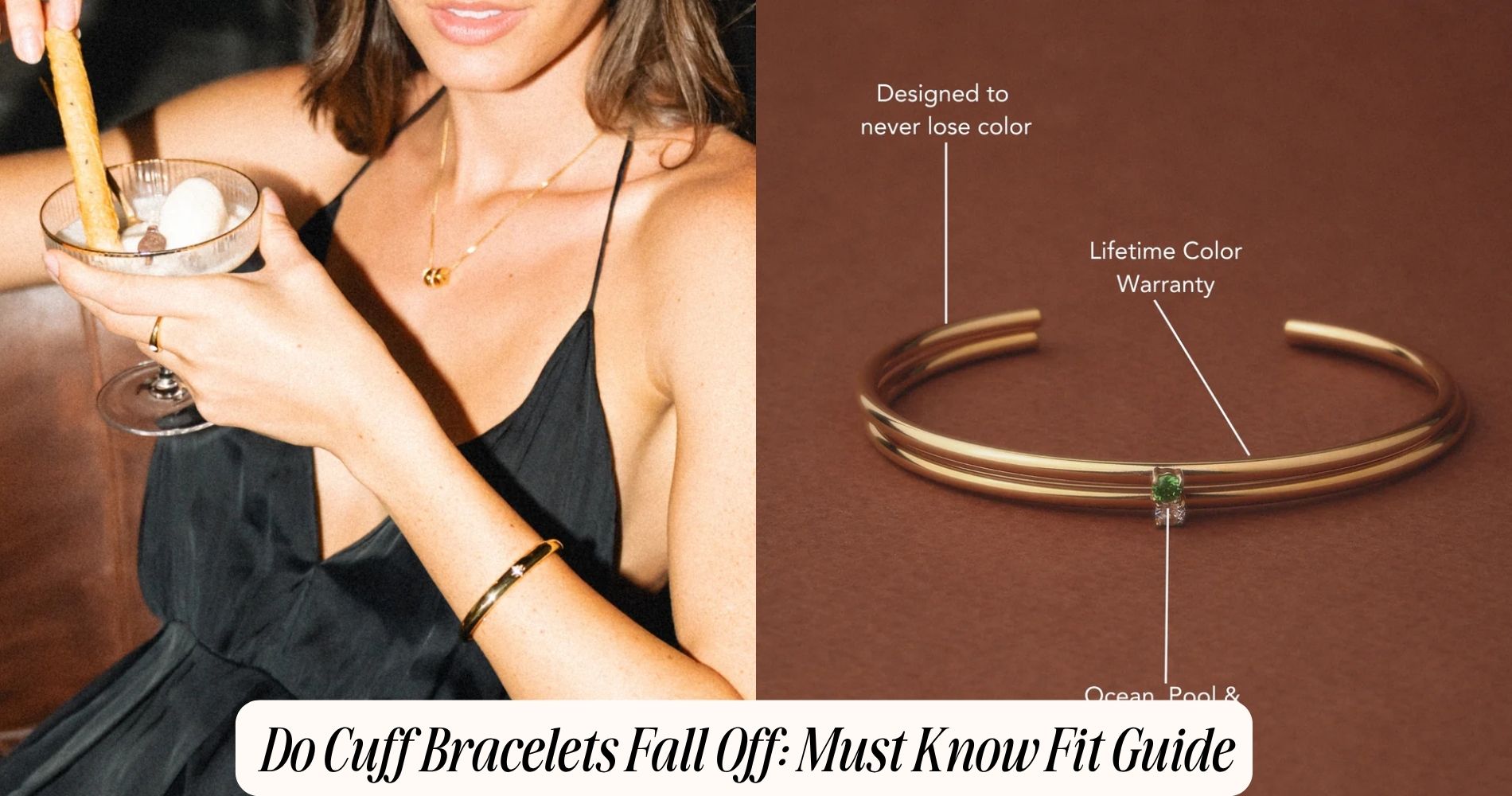
Cuff bracelets have no clasp. Their entire security relies on fit, wrist shape, and the geometry of the opening. Whether they fall off, stay put, or become uncomfortable depends on understanding how cuff fit actually works rather than assuming one size handles all wrists. Do cuff bracelets fall off is a fair question, and the honest answer is: a well-fitted cuff on the right wrist shape stays secure through most daily activity, while a poorly fitted one or a cuff on a specific wrist shape will slide off regardless of how carefully it is placed. Summer Bracelets in cuff and open-bangle styles demonstrate the range. This guide covers how cuff fit works, how to measure correctly, which wrist shapes present challenges, how to adjust a cuff, and which cuff styles stay most secure through active wear.
How Cuff Bracelet Security Works
A cuff bracelet stays on the wrist through a combination of three factors: the diameter of the cuff relative to the wrist circumference, the width of the opening gap, and the position on the wrist where the cuff sits.
Diameter and wrist circumference. The internal diameter of a cuff determines whether the cuff can slide over the hand to reach the wrist. For a cuff to be wearable, the combination of the internal diameter and the gap opening needs to be large enough to pass the widest part of the hand through during fitting. Once on the wrist, the cuff stays in place because the wrist is narrower than the hand at the knuckle level. The cuff cannot slide off the wrist end because it would need to pass over the hand again to do so. The cuff cannot slide toward the elbow indefinitely because the wrist widens toward the forearm. What determines whether it stays comfortably in the wrist zone versus sliding in either direction is the ratio between the cuff's internal diameter and the wrist's circumference.
Opening gap width. The gap in an open cuff serves two purposes: it allows the cuff to be put on and taken off without unclasping, and it creates a spring-like flexibility that allows the cuff to be gently squeezed to a slightly smaller diameter or opened to a slightly larger one for fitting. The gap width relative to the cuff diameter determines how much adjustment range the piece has. A narrow gap offers less adjustment range but a more secure fit once positioned. A wide gap allows easier fitting but less retention force against the wrist.
Wrist position. Cuffs worn at the narrow point of the wrist just above the wrist bone sit more securely than those worn higher toward the forearm, where the arm widens more gradually and provides less natural retention. The wrist bone itself creates a stop point that prevents the cuff from sliding toward the hand past a certain point on most wrists.

Wrist Shapes That Affect Cuff Security
Not all wrists hold cuffs equally well. Two anatomical variables create the most significant fit challenges.
Tapered wrists. A wrist that transitions gradually from narrow at the joint to wide at the forearm provides more surface for a cuff to sit against. Tapered wrists tend to hold cuffs well because the gradual widening creates a natural resting zone where the cuff settles and stays without significant forward or backward movement.
Flat or cylindrical wrists. Some wrists have a similar circumference from the wrist bone to several inches up the forearm without significant tapering. On a cylindrical wrist, a cuff that fits over the hand has room to slide along the wrist without a natural settling point. This is the wrist shape most likely to experience cuffs sliding toward the elbow or down toward the hand during movement.
Prominent wrist bones. Prominent wrist bones on the inner wrist create a natural anchor point that prevents cuffs from sliding toward the hand. For wrists with less prominent wrist bones, cuffs have more freedom to slide in that direction.
Narrow hands relative to wrist. For a cuff to stay on, the wrist must be narrow enough that the cuff does not simply slide off the wrist end. People with narrow hands relative to their wrist circumference sometimes find that cuffs they can fit on their wrist also slide off it without much resistance. This is the wrist-and-hand geometry that most commonly results in cuffs falling off.

Do Cuff Bracelets Fall Off: How to Measure for the Right Fit
Accurate measurement before buying a cuff reduces fit problems significantly. Most standard cuffs fit wrists in the 6 to 7.5 inch circumference range with a gap opening of 1 to 1.5 inches.
Measuring your wrist circumference:
Use a flexible measuring tape or a strip of paper wrapped around your wrist at the point where you want to wear the bracelet, typically just above the wrist bone. Mark or note the circumference measurement.
Measuring your hand circumference:
Wrap the tape or paper around the widest part of your hand with your fingers held loosely together and your thumb excluded. This measurement tells you the minimum opening diameter needed to fit the cuff over your hand.
Calculating the fit:
A cuff's internal diameter plus gap opening should exceed your hand circumference measurement to allow fitting. Once on the wrist, the internal diameter of the cuff should be approximately 0.5 to 1 inch larger than your wrist circumference for a comfortable fit with natural movement. Too close to the wrist circumference and the cuff sits tightly and may leave marks. Too much larger and the cuff moves freely and can slide toward the hand.
| Wrist Circumference | Recommended Cuff Internal Diameter | Gap Opening |
|---|---|---|
| Under 5.5 inches | 2 to 2.25 inches | 1 inch minimum |
| 5.5 to 6 inches | 2.25 to 2.5 inches | 1 to 1.25 inches |
| 6 to 6.5 inches | 2.5 to 2.75 inches | 1.25 to 1.5 inches |
| 6.5 to 7 inches | 2.75 to 3 inches | 1.25 to 1.5 inches |
| Above 7 inches | 3 inches and above | 1.5 inches minimum |

How to Adjust a Cuff for Better Fit
Most open cuffs in metal can be gently adjusted to improve fit, but this needs to be done carefully to avoid weakening the metal at the adjustment point.
To tighten a cuff that moves too freely:
Hold the cuff with both hands, one on each side of the opening gap. Apply gentle, even inward pressure to reduce the gap width slightly. This increases the spring tension against the wrist and reduces movement. Make small adjustments and check fit between adjustments rather than applying significant force at once.
To loosen a cuff that feels too tight:
Apply gentle outward pressure to increase the gap width slightly. As with tightening, small incremental adjustments are safer than a single large flex. Repeatedly flexing a cuff open and closed in large movements weakens the metal at the bend point over time, which eventually causes cracking or permanent deformation.
Materials that adjust safely:
Sterling silver and 14k to 18k gold cuffs adjust relatively well because both metals have enough malleability to bend slightly without cracking. Stainless steel is significantly harder and resists hand adjustment: forcing a stainless steel cuff to a different shape requires more force than most hands can safely apply and risks snapping the metal. PVD-coated stainless steel cuffs are sized to fit rather than adjusted after purchase, which means getting the right size at the point of selection matters more than with softer metal cuffs.
Cuff Styles That Stay Most Secure
Not all cuff constructions have the same security through active wear. The style affects how the cuff interacts with wrist movement during exercise, beach activity, and daily use.
Wide flat cuffs (15mm and above): The wider contact surface area distributes the cuff's weight and grip across more of the wrist. This creates more friction against the skin and reduces sliding compared to narrow cuffs. Wide cuffs also resist the tilting that narrow cuffs can develop during active movement where one edge lifts away from the wrist.
Narrow wire or thin band cuffs (under 8mm): These are the most prone to sliding because their narrow contact surface creates less friction. On tapered wrists they sit in a natural groove and stay well. On cylindrical wrists they move freely and need to be positioned deliberately before any activity.
Hinged bangle cuffs: Hinged bangles with a clasp mechanism combine the aesthetic of a cuff with the security of a clasp closure. They close completely around the wrist and do not rely on gap tension for retention. For active wear including gym sessions, ocean swims, and beach days where the wrist moves through water and sweat, hinged bangles provide the most reliable security of any cuff style.

Fitted cuffs with no gap: Some cuff designs are rigid closed circles sized to slip over the hand rather than opened to fit. These are the most secure cuff variant because they have no gap to slide through. They require a hand circumference narrow enough to pass through the fixed opening and are not adjustable after manufacture.
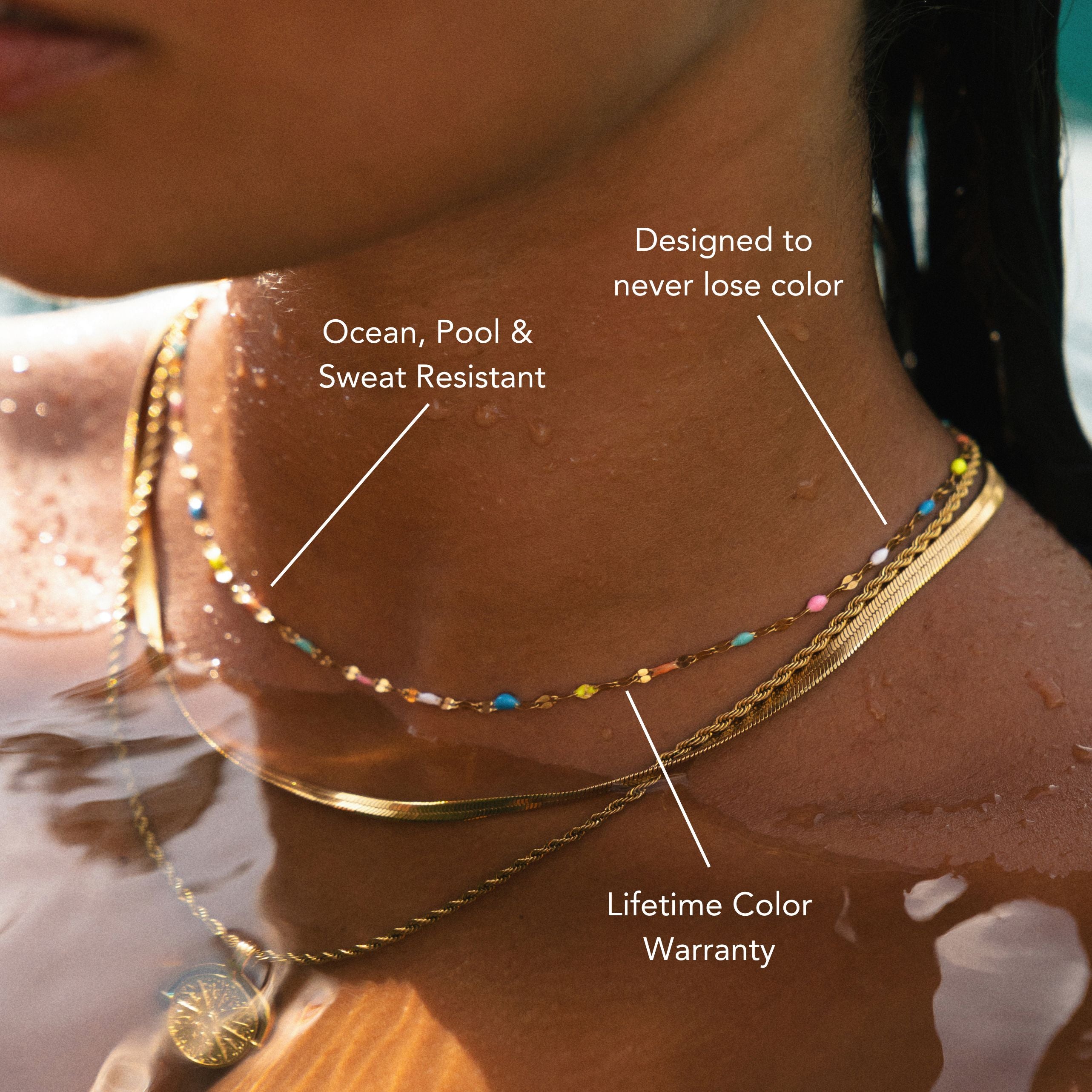
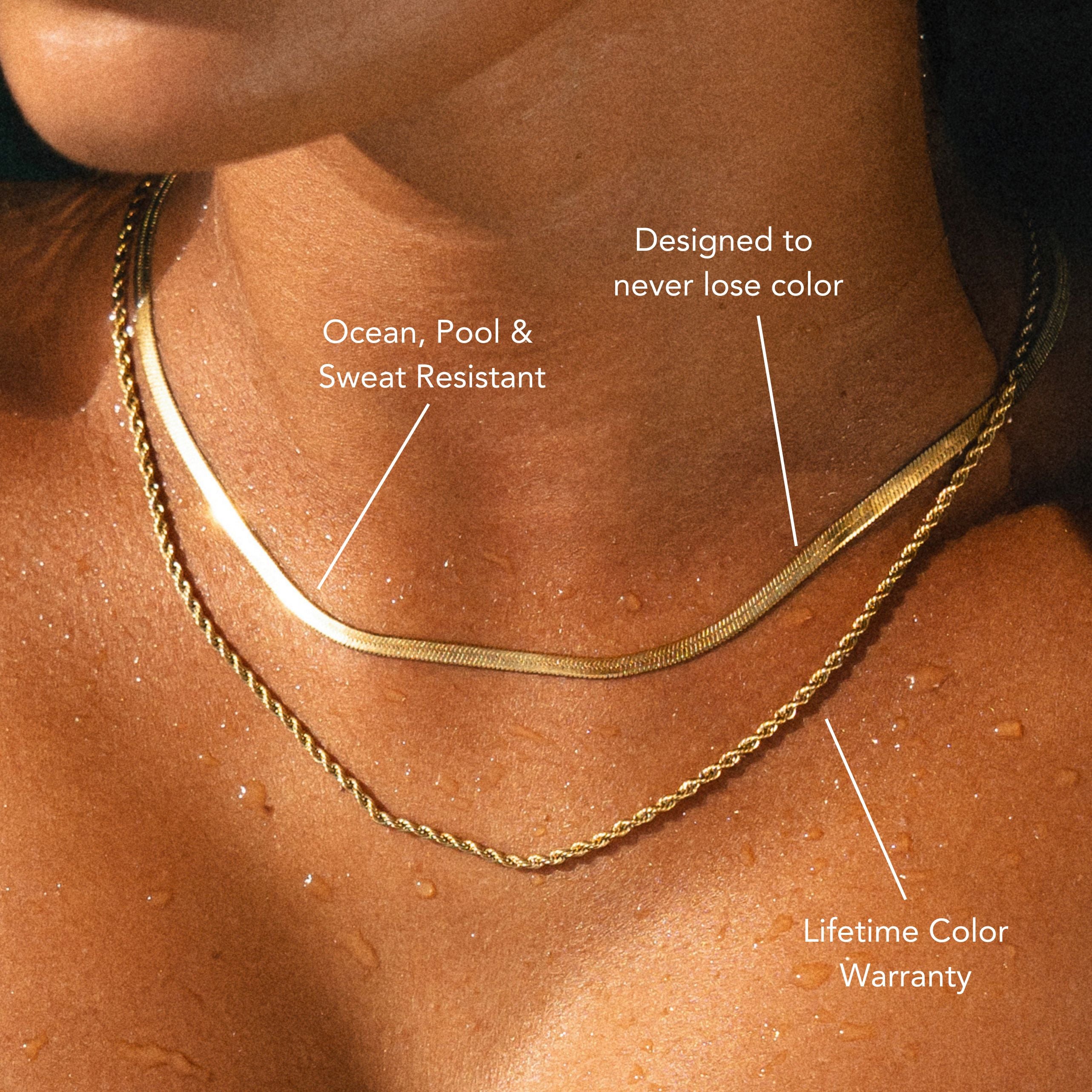
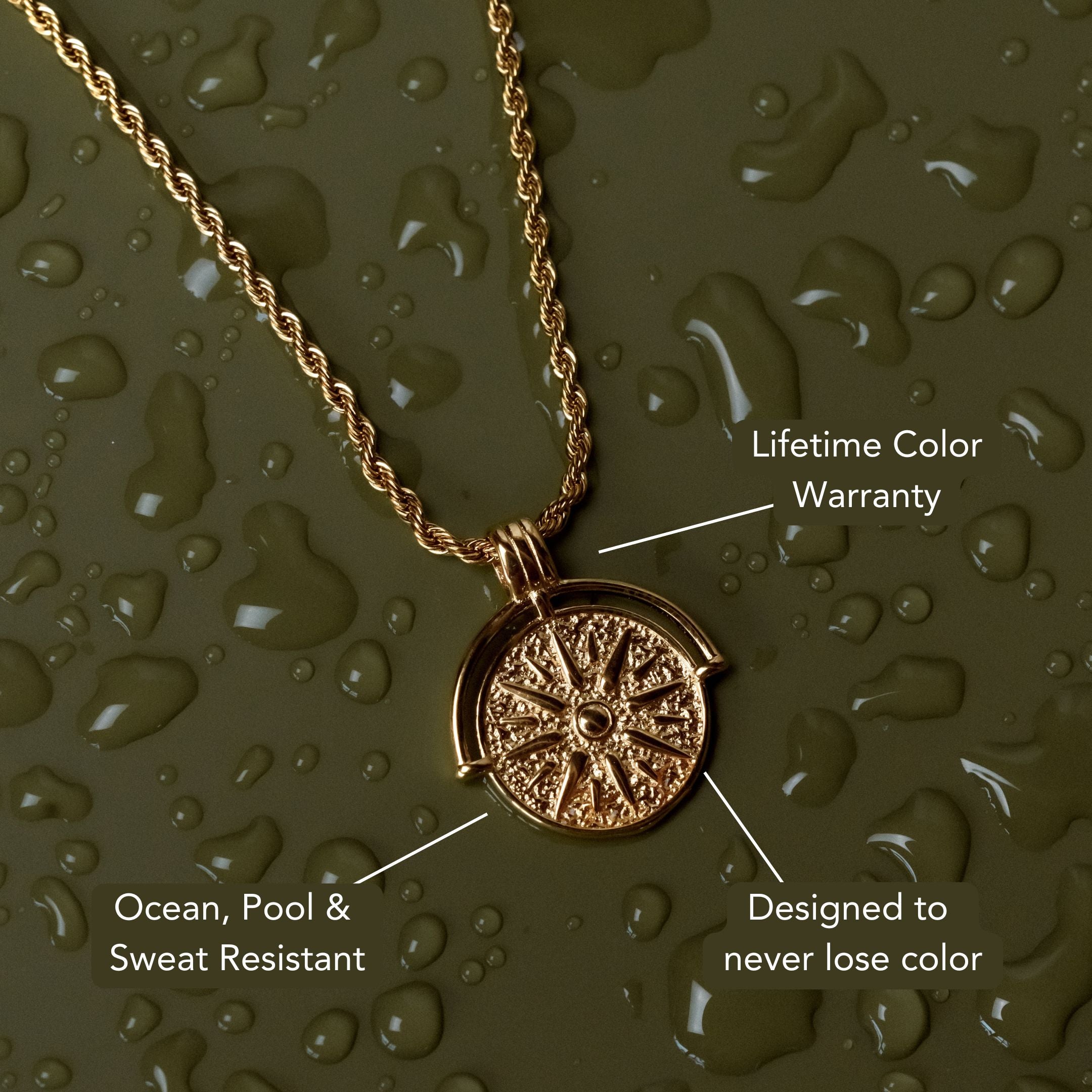
For active summer wear through water, sunscreen, and extended movement, material durability matters alongside fit. PVD-coated stainless steel cuffs maintain their finish through salt water, chlorine, and sweat without the tarnishing that affects silver and brass cuffs worn through the same conditions. ATOLEA's summer bracelet range covers cuff and open-bangle styles in PVD-coated construction with a lifetime color warranty, which means the piece holds its appearance through the active conditions cuff fit is most tested.
Frequently Asked Questions
Why does my cuff bracelet keep falling off?
A cuff that keeps falling off is either too large for your wrist-to-hand ratio, has a gap opening too wide to maintain tension against the wrist, or your wrist has a cylindrical shape without a natural settling point. Gently closing the gap slightly to increase spring tension is the first adjustment to try. If the internal diameter is genuinely too large for your wrist, no gap adjustment will create reliable retention and a smaller cuff is the practical solution.
Can you wear a cuff bracelet while swimming?
Yes, with the right material and fit. A well-fitted cuff in PVD-coated stainless steel, solid gold, or titanium handles pool and ocean swimming without the finish degrading. Fit matters more in water because the wrist becomes slightly slicker when wet, which reduces friction. A cuff that fits well on a dry wrist should stay put in water. One that already moves freely on a dry wrist will move more in water.
How tight should a cuff bracelet be?
A cuff should sit snugly enough that it does not slide more than about half an inch along the wrist during normal hand movement, but loosely enough that it does not leave marks or restrict circulation when your hand is relaxed. The gap opening should sit against the inner wrist rather than the outer wrist for most secure wear during daily activity.
What is the best cuff bracelet for active wear?
Hinged bangle cuffs with a clasp closure provide the most secure fit for active wear because they close completely around the wrist. Among open cuffs, wider flat band styles (15mm and above) stay more secure than thin wire styles through movement. For material, PVD-coated stainless steel handles sweat, water, and daily friction without tarnishing or corroding at the skin contact surface.
How do you keep a cuff bracelet from sliding?
Position the cuff so the gap sits against the inner wrist. This orients the retention force against the outer wrist bone and gives the gap the least direct contact with any surface that could push it open. Gently reduce the gap width if the cuff moves too freely. For cylindrical wrists, wearing the cuff higher toward the forearm where the arm tapers outward from the elbow can create a more natural retention point.
Getting Cuff Fit Right
Do cuff bracelets fall off depends almost entirely on the fit relative to your specific wrist shape and the cuff geometry. A correctly sized cuff on a tapered wrist with a well-proportioned gap stays secure through daily wear. A cuff too large for the wrist-to-hand ratio, or on a cylindrical wrist without a natural settling point, slides regardless of how carefully it is placed. Measuring wrist circumference and hand circumference before buying, choosing wide flat styles over narrow wire ones for active use, and positioning the gap against the inner wrist are the three adjustments that convert an unreliable cuff fit into a reliable one.






Leave a comment
This site is protected by hCaptcha and the hCaptcha Privacy Policy and Terms of Service apply.