

How Long Does Sterling Silver Last With Proper Care
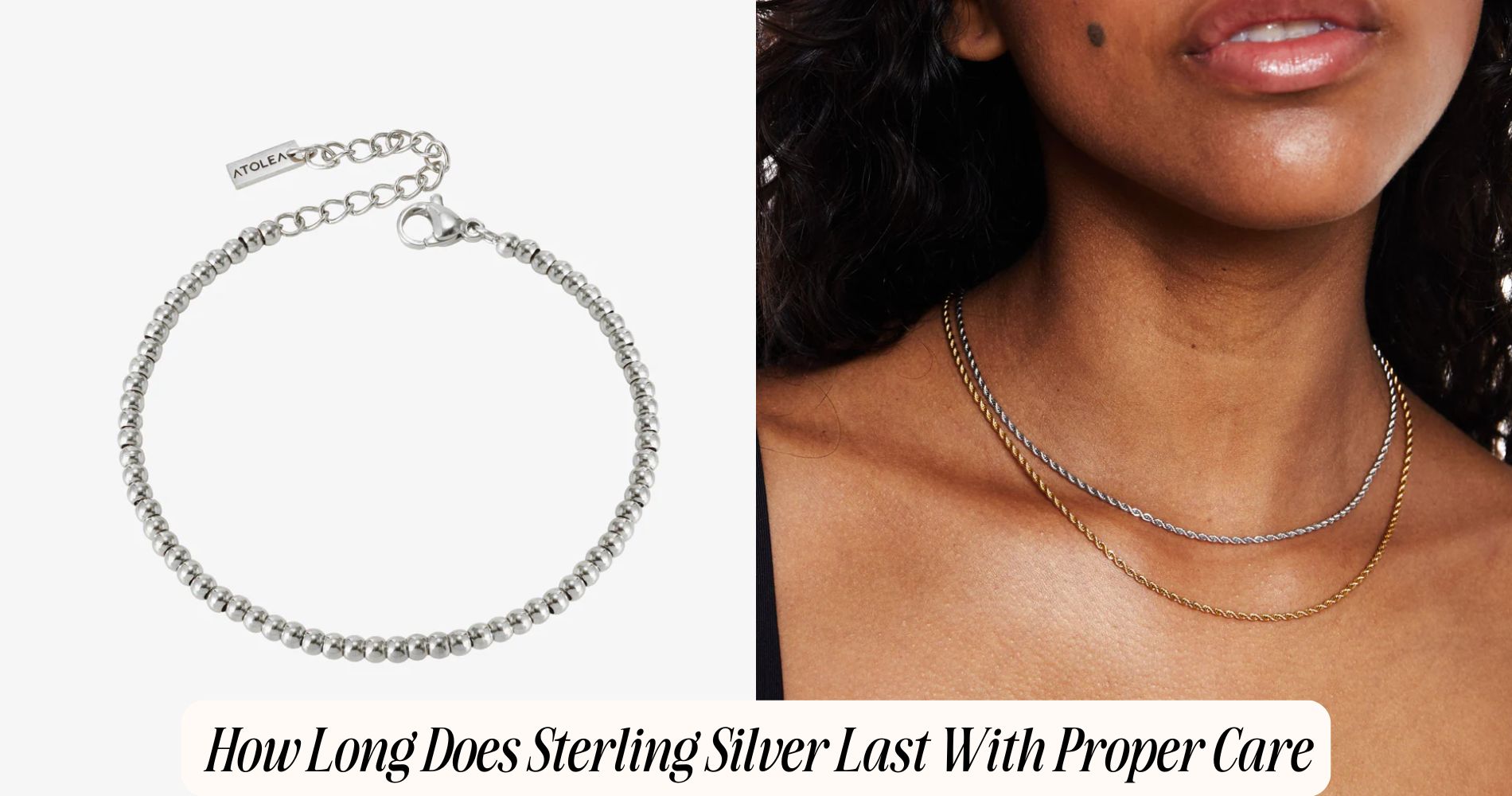
Wondering how long does sterling silver last with proper care? With simple, consistent habits, sterling silver can last for decades—and often becomes a cherished heirloom. Keep pieces dry, handle them with clean hands, and store them in anti-tarnish pouches or lined boxes to reduce corrosion and scratches. Wipe jewelry after each wear, rotate items to prevent uneven use, and use gentle cleaners for light tarnish while saving abrasives for heavy buildup. Inspect clasps and settings regularly and repair issues promptly. For modern silver styles built to handle moisture and daily wear more easily, explore our Silver Waterproof Jewelry collection—follow these habits and you’ll preserve both beauty and structure for years to come.
How Long Does Sterling Silver Last?
How long sterling silver lasts depends largely on how you wear and care for it: with regular cleaning and proper storage, sterling pieces can remain structurally sound and attractive for decades or even generations.
You’ll set realistic longevity expectations by following silver maintenance tips: clean gently with a soft cloth, use nonabrasive polish sparingly, and avoid harsh chemicals.
Store items individually in anti-tarnish pouches or lined boxes to minimize surface contact and abrasion. Rotate wear to reduce concentrated stress on joints and thin sections.
Inspect regularly for loose settings, thinning, or persistent tarnish so you can address issues early.
With disciplined care and routine maintenance, you’ll preserve form and finish, keeping pieces serviceable for a very long time.
What Determines Sterling Silver’s Lifespan (Materials, Use, and Environment)
Because sterling silver is an alloy, its longevity hinges on three interrelated factors—material composition, how you use it, and the environment it encounters.
First, alloy composition matters: standard 925 silver balances purity and strength; higher silver content will be softer and more prone to scratches, lower content may resist bending but change corrosion behavior.
Second, use determines mechanical wear: frequent handling, impacts, or chemical exposure accelerate surface loss and microabrasions that shorten usable life.
Third, environmental tarnish factors—humidity, sulfur compounds, chlorides, and pollutants—drive chemical reactions that darken and corrode surfaces.
To preserve pieces, evaluate their alloy composition for intended use, limit exposure to aggressive environments, and store them in controlled, low-humidity conditions to minimize deterioration.
Daily Habits to Prevent Tarnish and Wear on Sterling Silver
Regularly adopting a few simple habits will greatly reduce tarnish and mechanical wear on your sterling silver.
Handle pieces with clean, dry hands to avoid oils and acids; remove jewelry before bathing, cooking, or exercising.
Store items individually in soft pouches or anti-tarnish cloths, keeping humidity low and air exposure minimal.
Rotate wearable pieces to prevent uneven wear and inspect settings and clasps weekly for loosening.
Avoid rubber, newspaper, and felt-lined boxes that promote corrosion.
For daily maintenance, lightly wipe items after use with a soft, lint-free cloth to remove residues that accelerate tarnish.
Keep perfumes, lotions, and household chemicals away from silver surfaces.
These methodical practices form a routine that preserves finish, minimizes polishing frequency, and extends functional life.

Cleaning Silver: Quick Fixes to Deep‑Clean Methods
When you spot light tarnish or stubborn discoloration, choose the cleaning method that matches the issue—quick wipes for surface oils, mild soaks for moderate tarnish, and controlled abrasive or electrochemical treatments for heavy build-up.
You’ll begin with gentle polishing techniques: a soft microfiber or flannel and light pressure removes oils without thinning silver.
For moderate tarnish, prepare a mild cleaning solution (warm water, a drop of neutral soap, or a designated silver cleaner) and soak briefly, then rinse and dry thoroughly.
Reserve abrasives or electrochemical baths for robust build-up, using non‑abrasive pastes or commercially recommended kits and following manufacturer steps precisely.
Always test a hidden spot, limit frequency, and store items dry to prolong finish and structural life.
Solid Silver vs. Silver‑Plated: Realistic Lifespan and When to Repair
If you choose solid sterling silver, expect a long service life—often decades to generations—so long as you address wear and corrosion promptly.
Silver‑plated items, by contrast, usually give you years rather than lifetimes because a thin silver layer wears away to the base metal.
You should assess silver quality first: hallmarks, weight, and construction predict durability.
Prioritize solid pieces for daily use and sentimental items; preserve plating by limiting contact, polishing gently, and storing dry.
Repair decisions hinge on damage depth and repair costs: re‑plating can restore appearance but may be recurring and expensive, while soldering or reshaping solid silver is usually cost‑effective and durable.
Keep records of treatments and opt for professional conservation when value or integrity matter.

Frequently Asked Questions
Can Sterling Silver Cause Skin Reactions for Some People?
Yes — you can experience skin sensitivity or allergic reactions from sterling silver if it contains nickel or tarnish irritants. You should monitor reactions, clean pieces regularly, and choose nickel-free alloys or protective coatings to prevent problems.
Is Sterling Silver Safe to Wear in Saltwater or Chlorinated Pools?
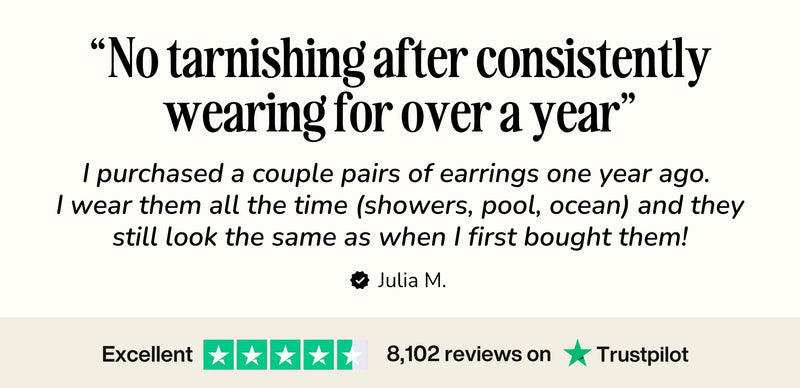
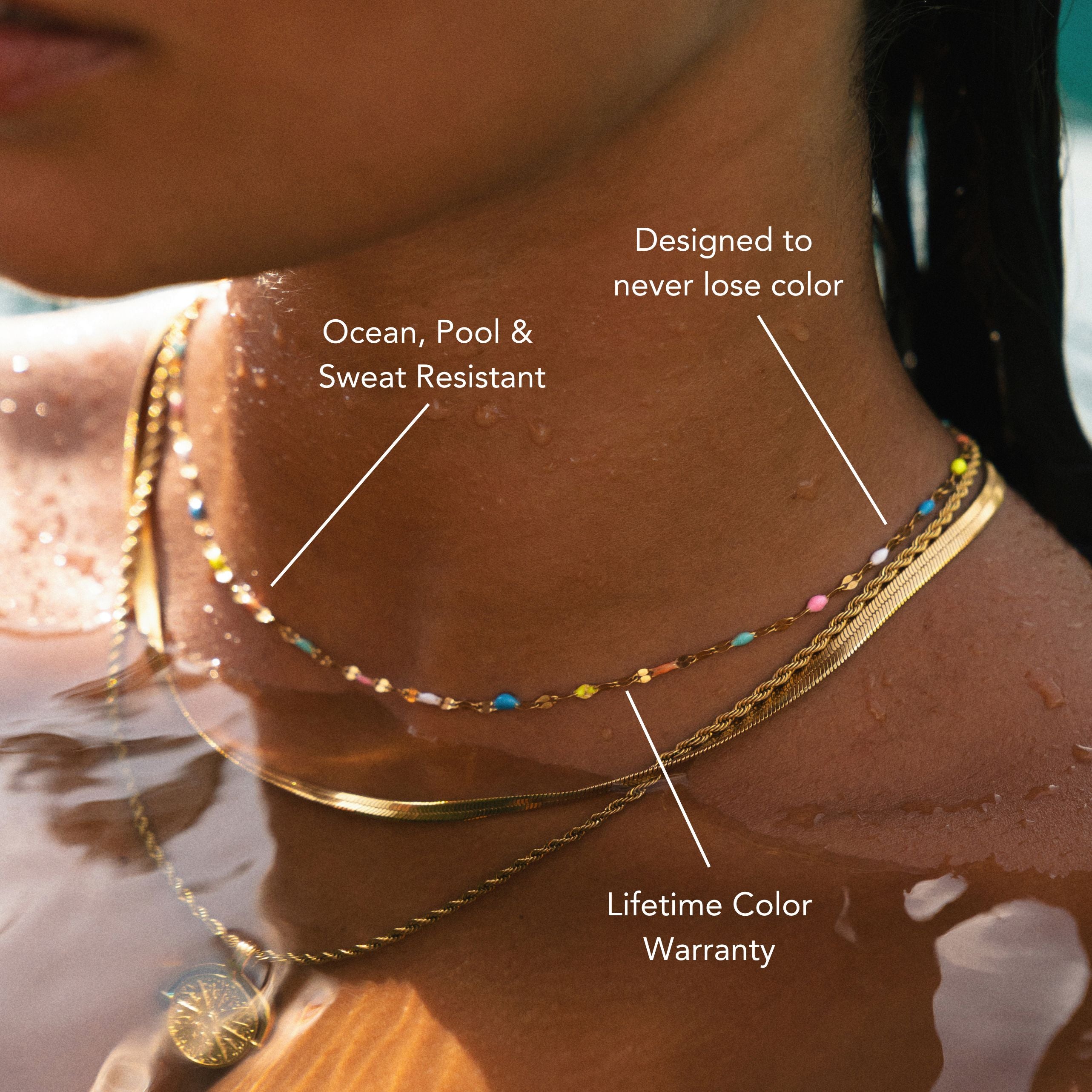
You can wear sterling silver briefly in saltwater or pools, but avoid prolonged saltwater exposure and chlorinated damage; rinse, dry, and store pieces promptly, and use polishing or anti-tarnish measures to preserve their finish.
How Should I Store Mixed-Metal Jewelry With Sterling Silver?
Store mixed-metal jewelry separately, using labeled compartments, anti-tarnish pouches, or silica packs; guarantee metal compatibility by grouping similar alloys and finishes, avoiding reactive pairings, and checking periodically to prevent abrasion, corrosion, and tarnish.
Can Ultrasonic Cleaners Damage Gemstone-Set Sterling Silver Pieces?
Yes — ultrasonic cleaning can damage some gemstone-set sterling silver pieces. You should assess ultrasonic cleaning suitability, prioritize gemstone safety, avoid fragile or treated stones, and use gentle manual cleaning or professional advice for preservation.
Does Sterling Silver Lose Value Over Time?
Yes — sterling silver can lose value over time; you’ll preserve value retention best by preventing damage, polishing prudently, and storing properly, but market demand, fashion trends, and silver prices will methodically influence resale worth.
Conclusion
With proper care, your sterling silver can last generations. Store pieces dry and separated, wear them regularly to slow tarnish, and avoid exposure to chemicals, sweat, and salt. Clean gently with a soft cloth for light maintenance and use targeted dips or professional services for heavy tarnish. Inspect joints and settings periodically and repair worn areas promptly. By being methodical and preservation-minded, you'll maximize lifespan and keep silver functional and attractive.





Leave a comment
This site is protected by hCaptcha and the hCaptcha Privacy Policy and Terms of Service apply.