

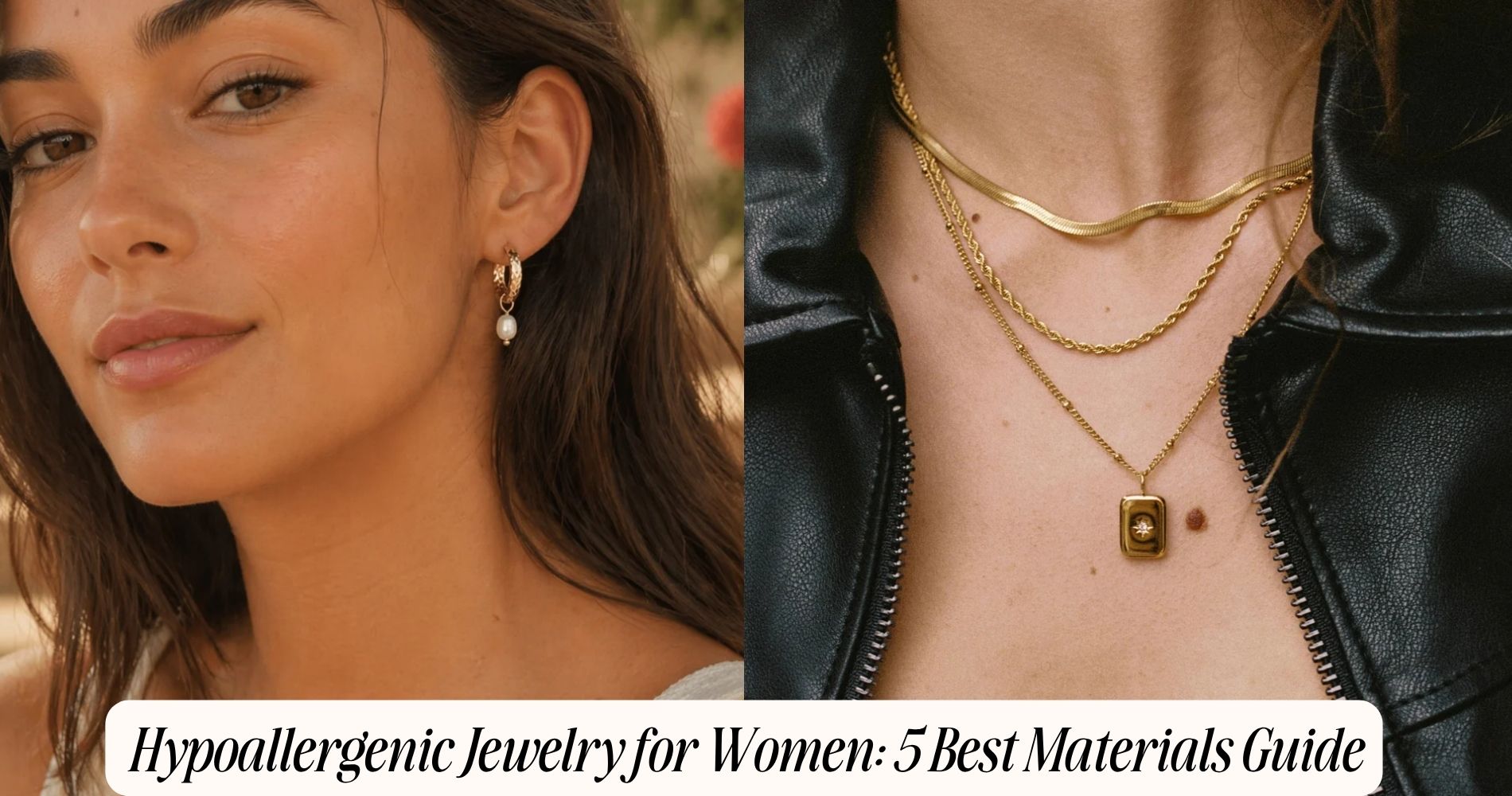
Hypoallergenic Jewelry for Women: 5 Best Materials Guide
Jewelry reactions are not a universal sensitivity to metal. They are almost always a specific response to nickel, copper, or the corrosion products of reactive alloys that contact skin through sustained wear. Finding hypoallergenic jewelry for women that genuinely prevents those reactions requires looking at each piece type individually, because the contact conditions differ significantly between a ring worn against a finger through handwashing and cooking, and a necklace that sits against the chest through a workout. Hypoallergenic Jewelry built on verified safe materials covers the full range. This guide covers the five most commonly worn jewelry types for women, the specific skin contact conditions each creates, and the material and style choices that prevent reactions in each category.
Why Piece Type Matters for Hypoallergenic Jewelry
The same metal behaves differently as a ring versus a necklace versus an earring post because each piece type creates a different contact environment.
Rings maintain the most sustained and concentrated skin contact of any piece type. They sit against the finger continuously, accumulate sweat and cooking residue, and are submerged through handwashing multiple times daily. Any reactive metal in a ring contacts the skin in conditions that accelerate the release of reactive ions.
Necklaces and pendants rest against the chest and neck where sweat accumulates during physical activity and where skincare products and sunscreen concentrate. The clasp sits at the nape of the neck where it is often less frequently cleaned than the visible front of the piece.
Earring posts pass through piercing tissue, the highest-risk contact environment for reactive metals because the post sits inside living tissue rather than against intact skin surface.
Bracelets sit at the wrist where pulse points generate additional warmth that accelerates skin chemistry reactions with reactive metals.
Anklets contact the foot and lower ankle, an area exposed to salt water, sand, and pool water in active outdoor lifestyles, which compounds skin contact reactivity with environmental chemical exposure.
Understanding these different contact conditions makes it possible to evaluate hypoallergenic claims for each piece type accurately rather than applying a single standard across all jewelry.
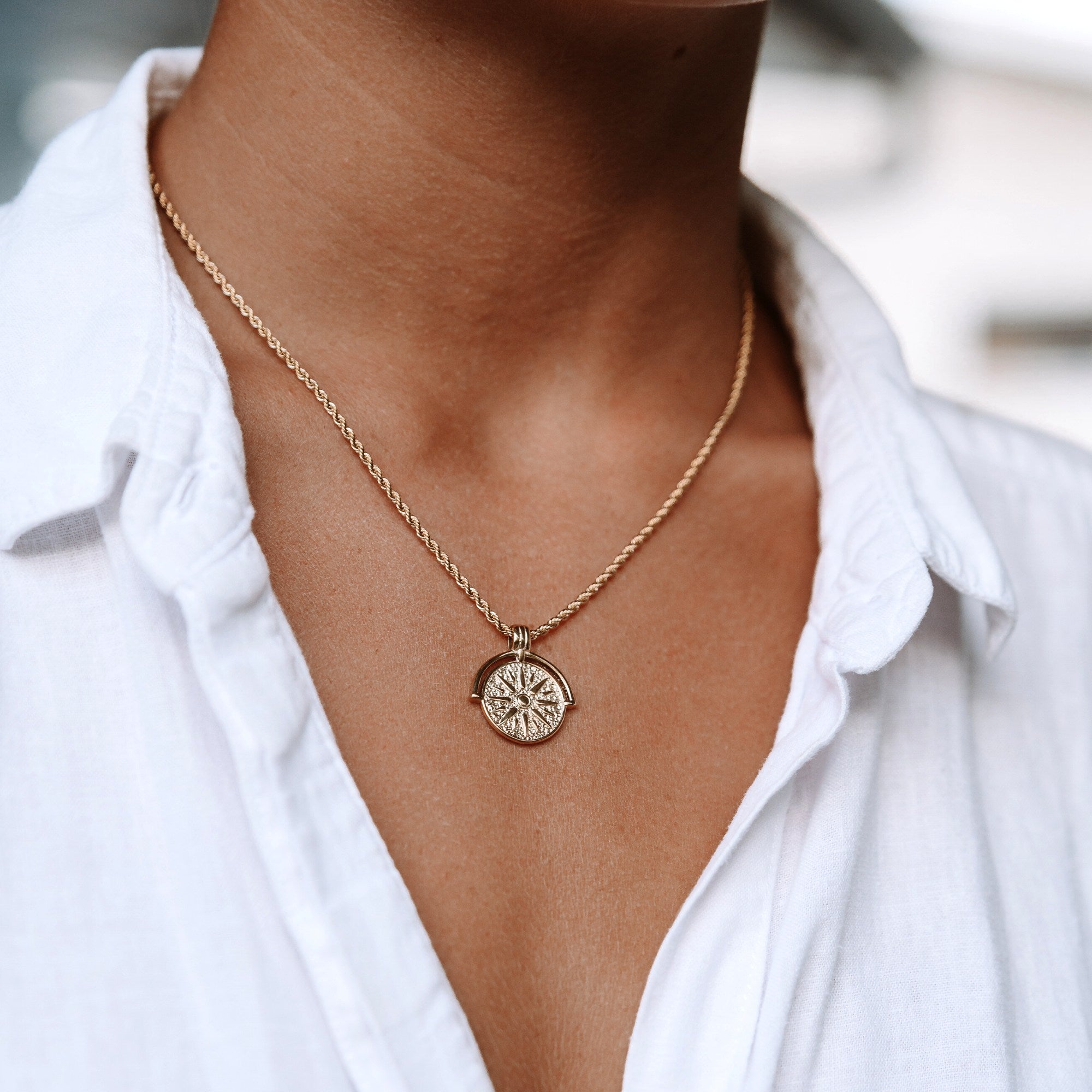
1. Hypoallergenic Necklaces
The necklace contact points that most commonly cause reactions are the clasp at the nape of the neck and the chain or pendant at the chest and collarbone. The clasp is particularly relevant because it accumulates sweat and product residue in its mechanism, sits against skin continuously, and is often the first area of a necklace to lose its plating through friction.
For reactive skin, the necklace chain and clasp should be the same material throughout rather than using a higher-quality metal for the visible chain and a lower-cost alloy for the clasp hardware. A necklace where the chain is PVD-coated stainless steel but the clasp spring mechanism uses an unspecified alloy provides no protection against reactions at the nape of the neck.

Best materials for hypoallergenic necklaces:
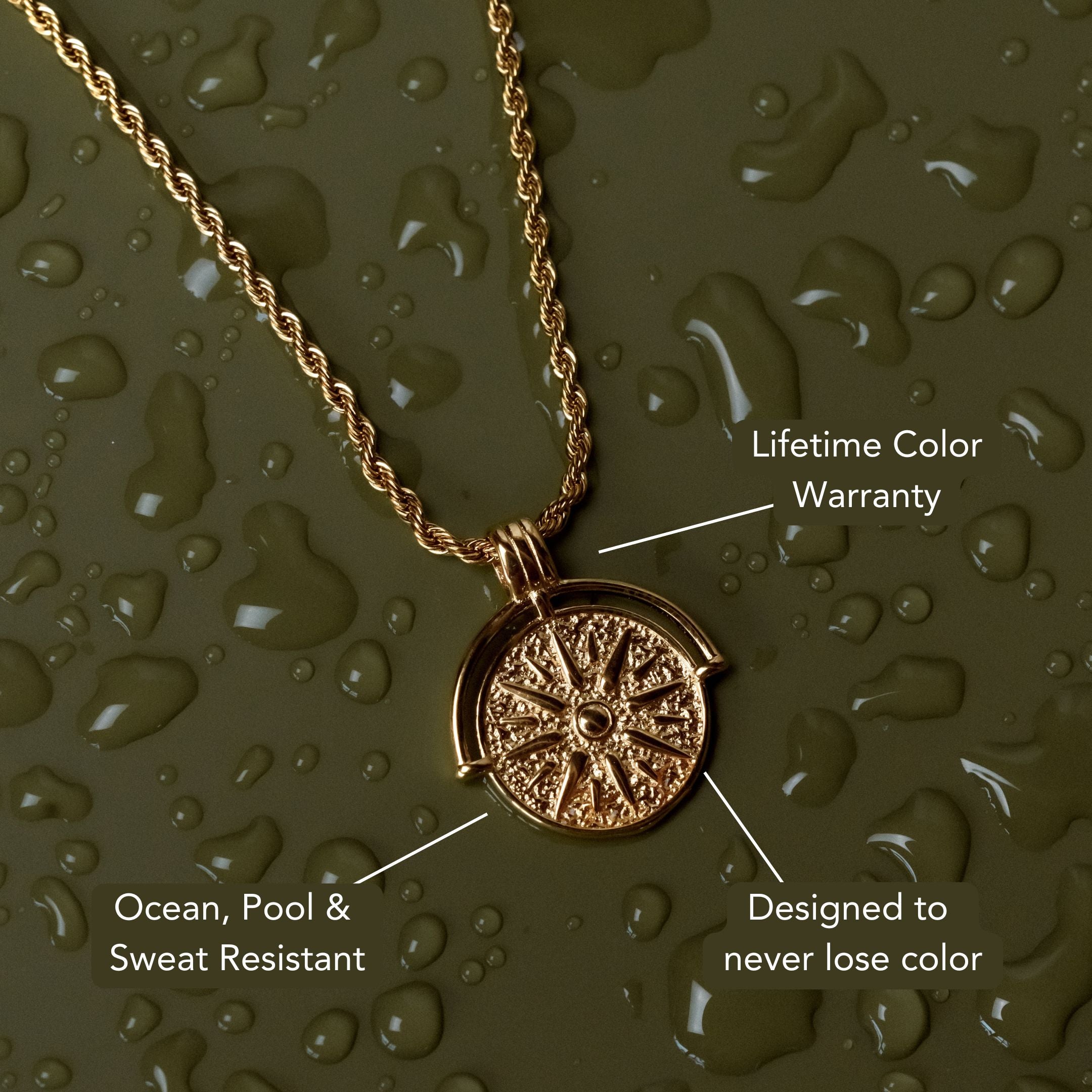
PVD-coated 316L stainless steel provides reliable protection for most women with reactive skin because the PVD surface layer prevents nickel ion release from the steel base at every contact point including the clasp. Solid 14k yellow gold is non-reactive throughout its construction without coating concerns. Titanium chain necklaces are less widely available but offer the highest level of biocompatibility.
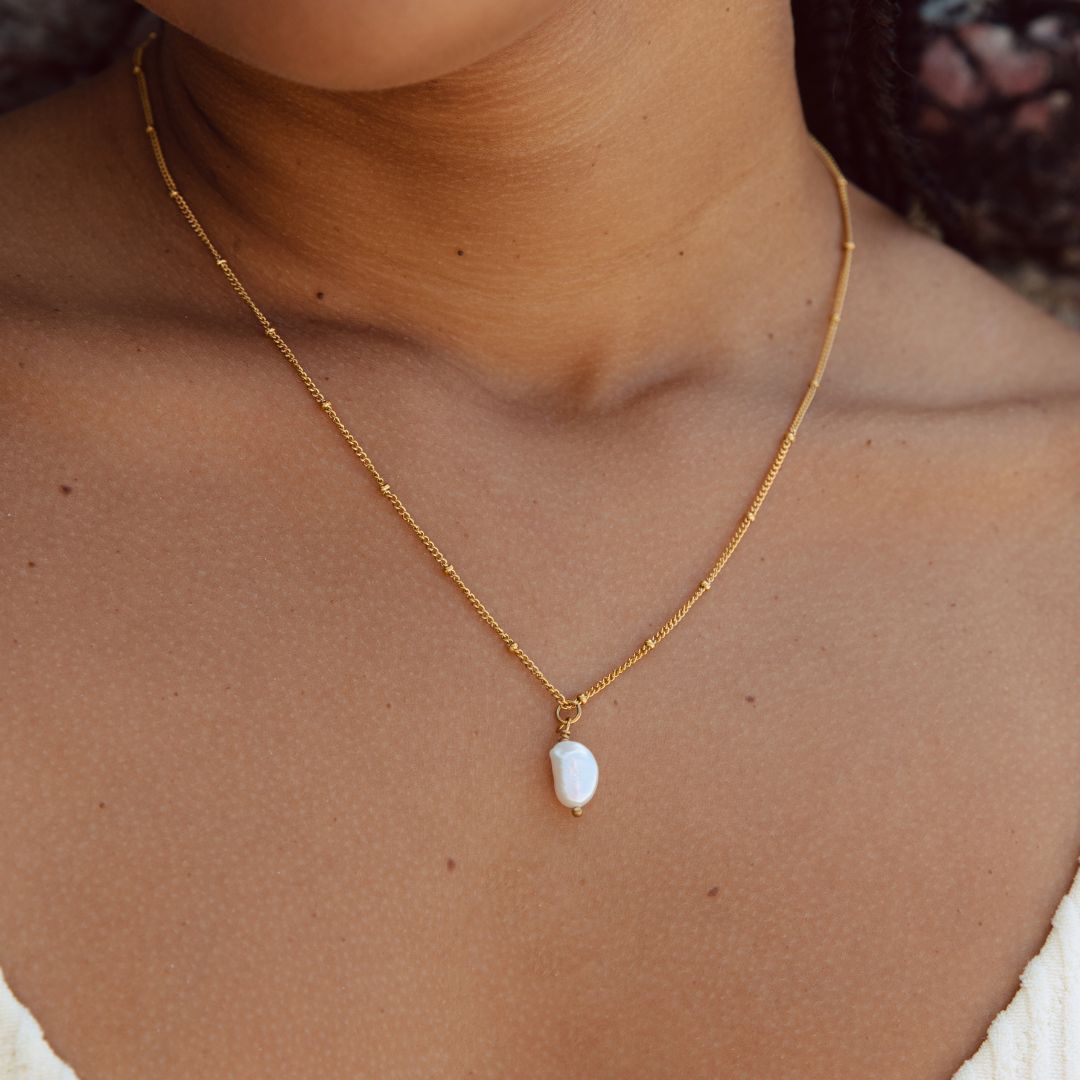
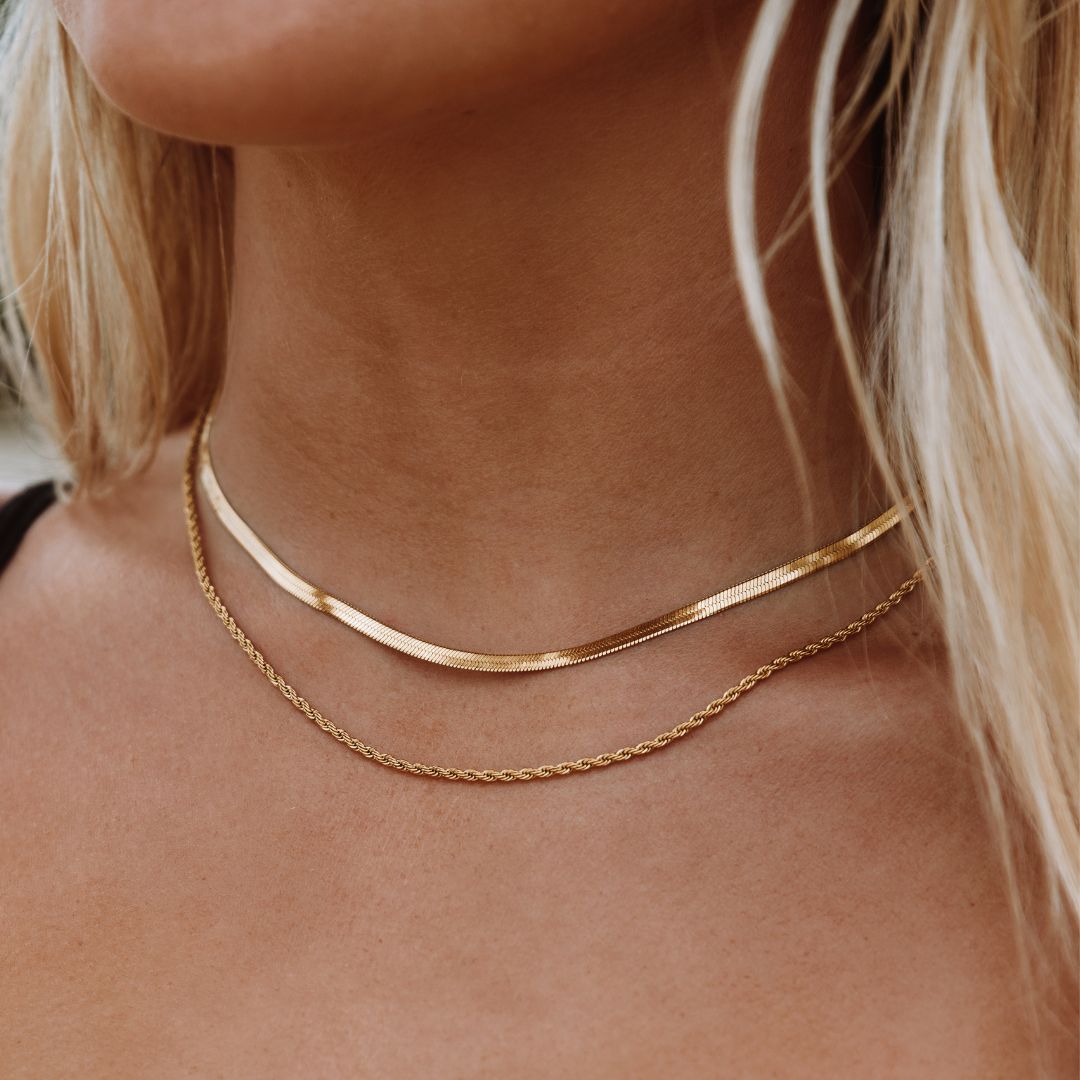
Style consideration: Dainty chains at 16 to 18 inches sit against the collarbone and chest where sweat accumulates during gym sessions and outdoor activity. For necklaces worn through those conditions, the clasp should be the same material as the chain, and the chain links should be smooth rather than textured to minimize the surface area available for product residue accumulation.
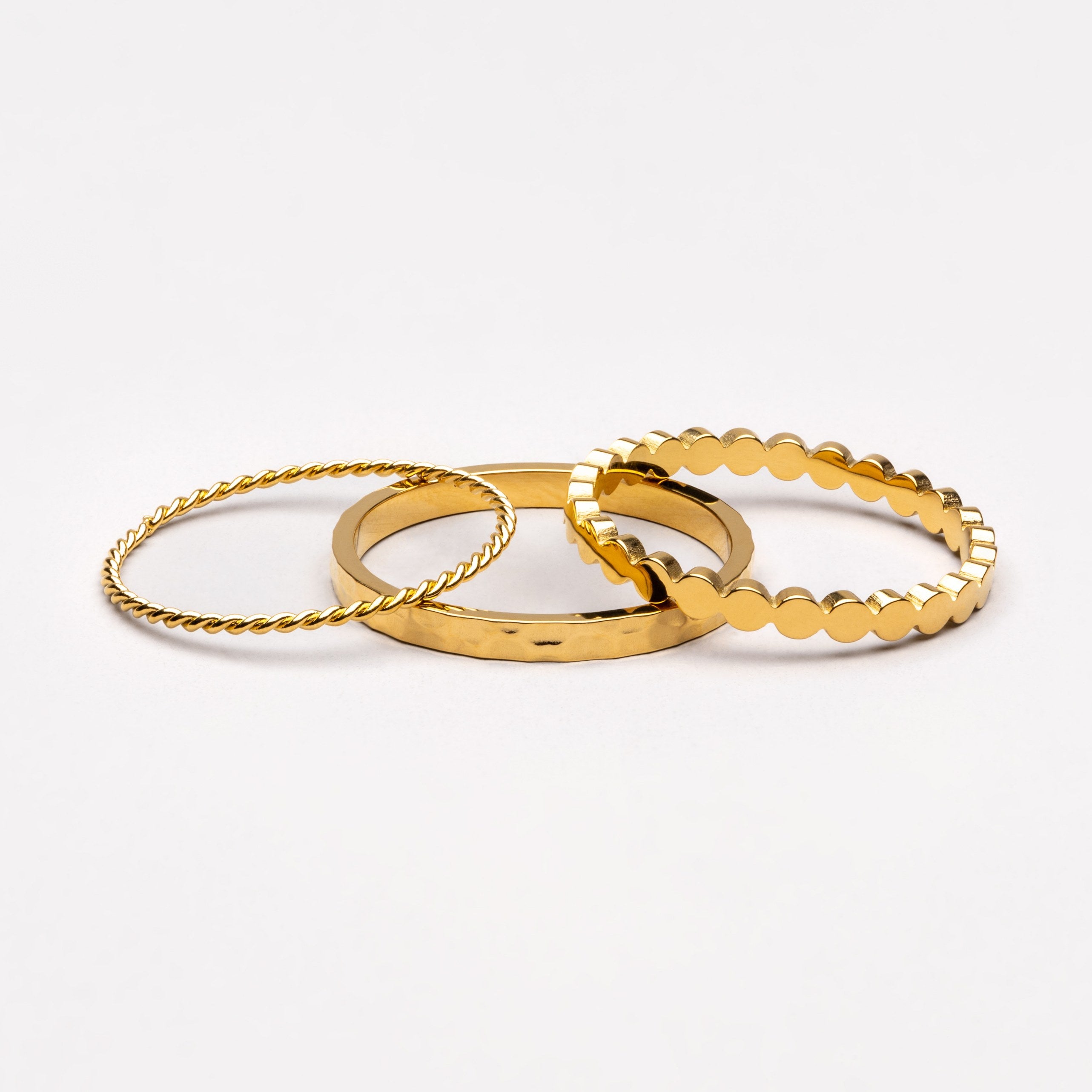
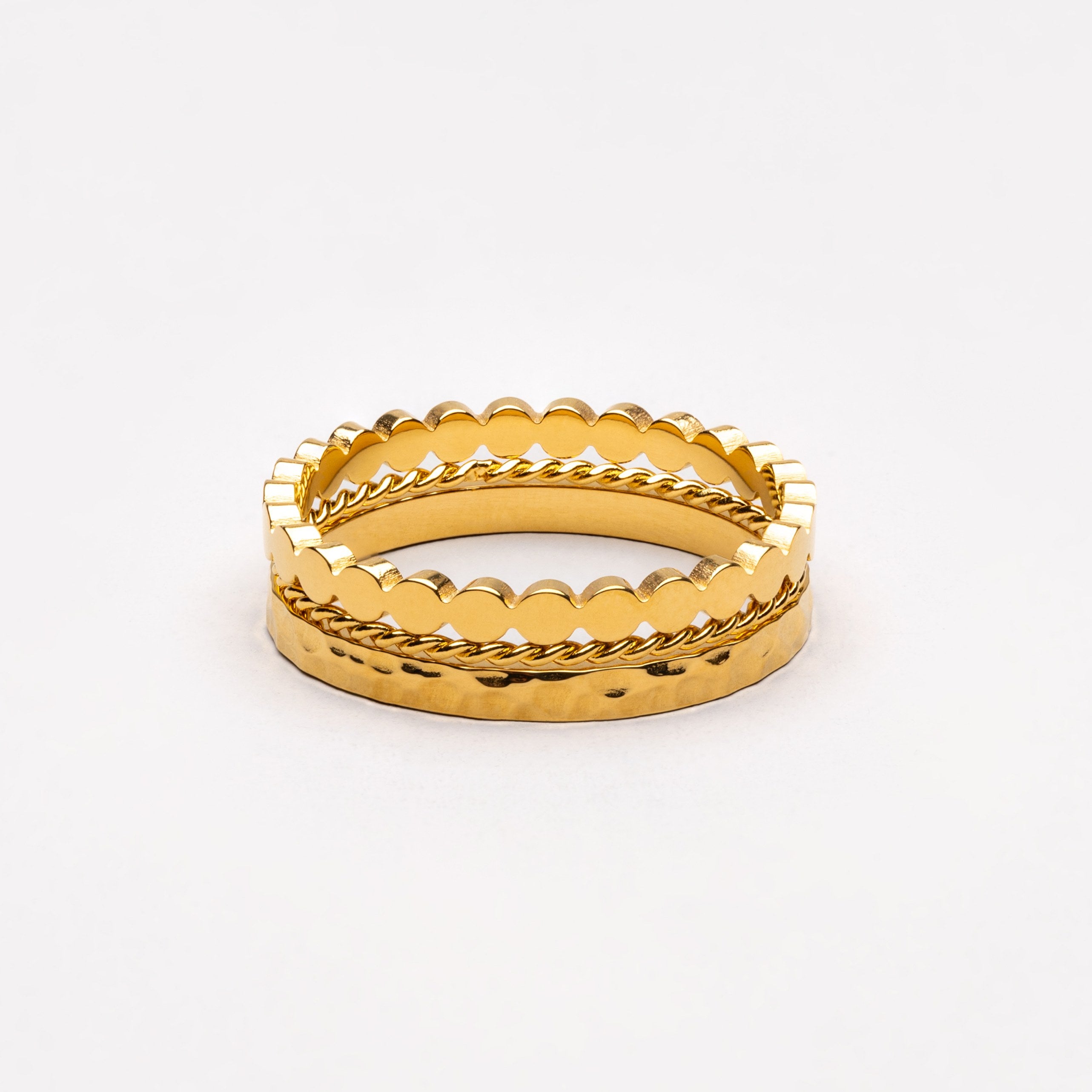
2. Hypoallergenic Rings
Rings present the most demanding hypoallergenic requirements of any jewelry type because of their continuous, concentrated skin contact through the full range of daily hand activity. A ring worn through cooking, gardening, exercise, and repeated handwashing contacts reactive compounds far more intensively than any other piece of jewelry.
The inner shank, the part of the ring band that sits directly against the finger skin, is the critical surface. For rings with standard electroplating, the inner shank loses its plating first through friction, exposing the reactive base metal to direct skin contact. This is why a ring can look fine from the top while the finger beneath it is green or irritated: the visible outer surface retains its plating while the hidden inner shank has failed.
Best materials for hypoallergenic rings:
PVD-coated stainless steel rings are the most practical hypoallergenic ring option at accessible prices because the PVD coating covers the inner shank surface with the same atomic-level bond as the outer face. This is the key distinction from standard plating: PVD does not wear through at the inner shank in the way that electroplating does. Solid gold at 14k and above has no plating to degrade and is non-reactive throughout. Titanium rings are nickel-free throughout their construction and an excellent choice for the most sensitive skin.
Style consideration: Thin stacking rings concentrate the total contact area across multiple rings rather than one wide band, which can reduce total reactive metal exposure for reactive skin when each ring in the stack uses a non-reactive material.

3. Hypoallergenic Earrings
Earrings are the piece type where skin reactions are most commonly reported, and the reason is the piercing channel: the post sits inside tissue rather than against intact skin surface, which means the contact environment is more intimate than any other jewelry type.
Nickel sensitivity that produces only mild skin discoloration from a ring may produce significant swelling, discharge, and pain from an earring post in the same nickel-containing material, because the piercing tissue response is more acute than the intact skin response to the same metal.
Best materials for hypoallergenic earrings:
Implant-grade titanium (ASTM F136) is the most reliably safe material for reactive ear piercings because it is completely nickel-free and biocompatible at the tissue level. PVD-coated 316L stainless steel provides reliable protection for most reactive ears through the non-reactive PVD surface at the post. Solid yellow gold at 14k and above is safe and has a long history in sensitive piercings. Niobium is fully nickel-free and an excellent alternative to titanium for sensitive piercings.
Style consideration: Flat back labret studs are the most hypoallergenic earring construction because they eliminate the butterfly back mechanism that traps moisture and product residue against the rear of the piercing. The closure sits flush rather than creating a gap where reactive conditions concentrate. For hoops, huggie styles with hinged closures minimize the contact surface and the exposure of the closure mechanism to sweat and environmental compounds.

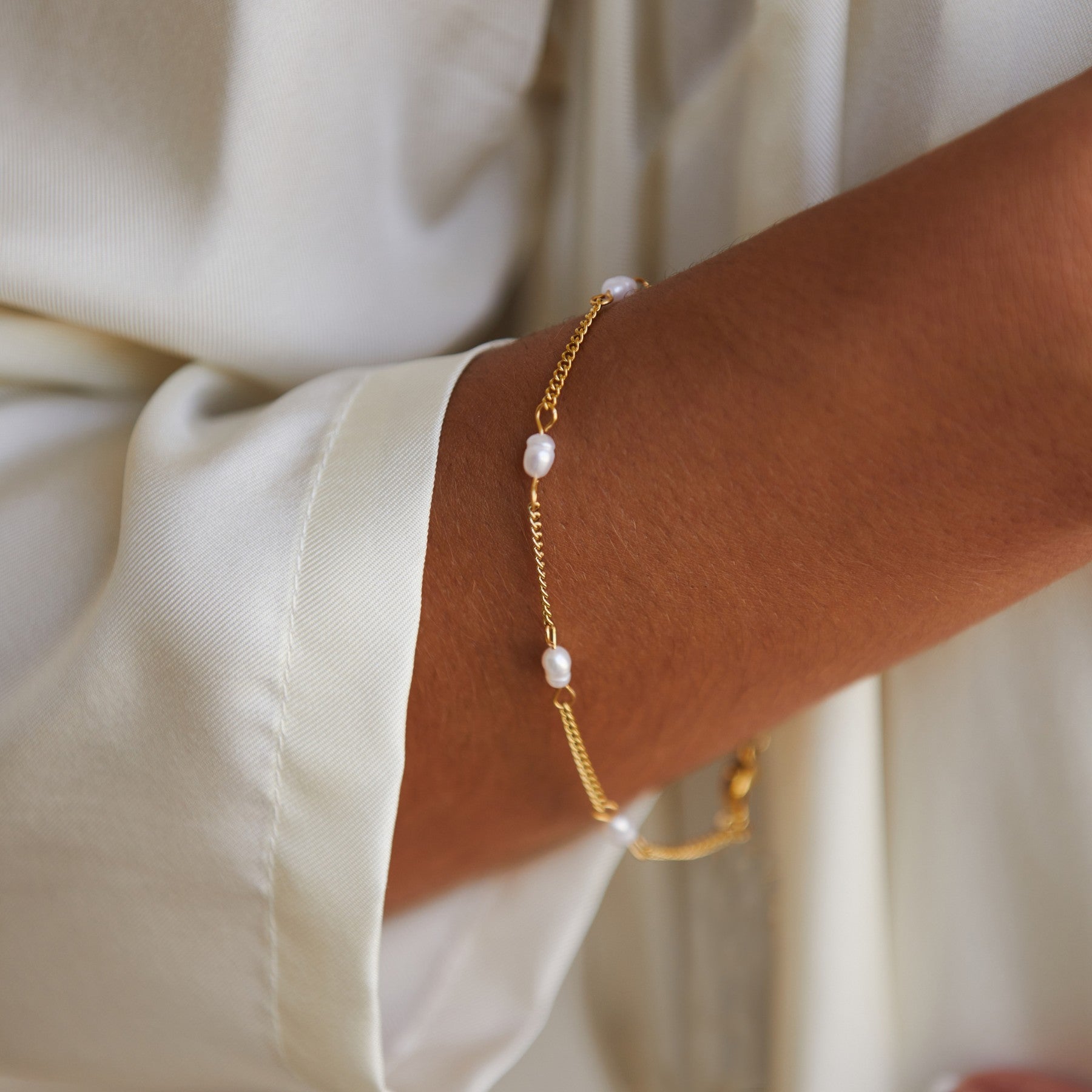
4. Hypoallergenic Bracelets
Bracelets sit at the wrist where warmth from pulse points accelerates the skin chemistry reactions that release reactive ions from metals. The wrist also sweats during physical activity at a higher rate than the chest or neck, which creates more concentrated exposure to the corrosive compounds that degrade reactive metals and trigger reactions.
The clasp and the skin-contact underside of the bracelet are the two highest-risk points. A clasp that uses a different lower-quality alloy than the bracelet body creates an inconsistent material situation that leaves the most-accumulated area of the bracelet vulnerable. The inner surface of the bracelet, the part against the wrist skin, accumulates sweat continuously during wear and is the primary reaction site.
Best materials for hypoallergenic bracelets:
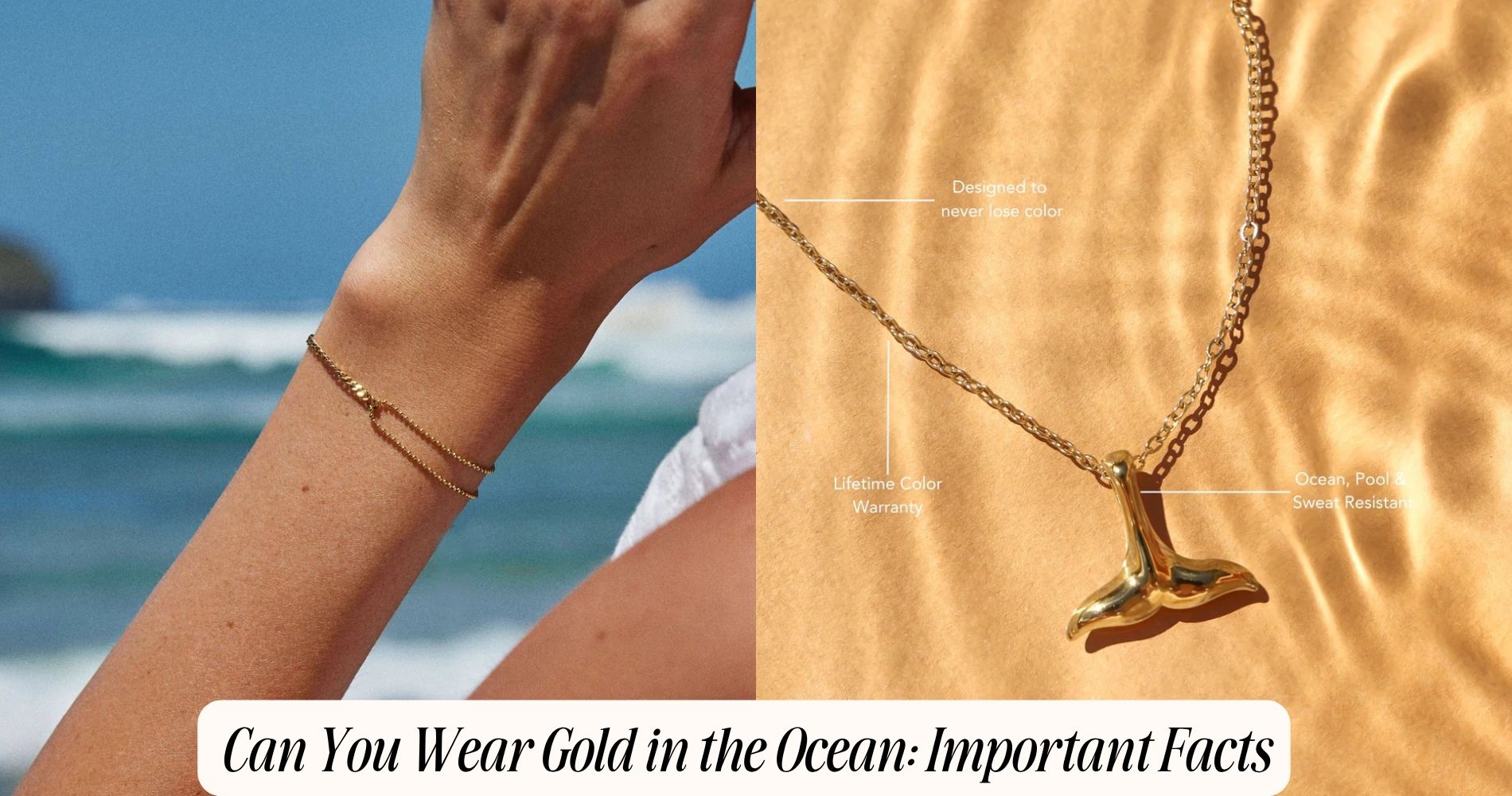
PVD-coated 316L stainless steel with a verified PVD finish on the clasp mechanism as well as the bracelet body provides reliable protection through the wrist's active contact conditions. Solid gold bracelets at 14k and above are non-reactive throughout. For active lifestyles involving gym sessions, ocean swims, and beach days where the bracelet contacts both sweat and environmental chemicals, PVD-coated stainless steel maintains its non-reactive surface without degrading through those combined exposures.
Style consideration: Chain bracelets with fine links accumulate sweat in the join spaces between links, which can concentrate reactive conditions even on otherwise safe materials. A weekly clean with mild soap and a soft brush keeps join spaces clear and prevents the bacterial buildup that compounds metal-related irritation.
5. Hypoallergenic Anklets
Anklets are worn in the most chemically demanding environment of any jewelry type. They contact salt water, chlorine, sand abrasion, sunscreen, and prolonged sweat exposure through active outdoor lifestyles that most ankle jewelry enthusiasts lead. Standard fashion anklets in reactive metals fail quickly under these conditions and produce both tarnishing and skin reactions that are more pronounced than the same metal would produce on the wrist or neck in milder conditions.
The ankle also has thinner skin than the wrist or finger, which means the skin barrier against reactive metal contact is slightly less robust. For reactive skin, this makes the material choice for anklets at least as important as for rings and earrings.

Best materials for hypoallergenic anklets:
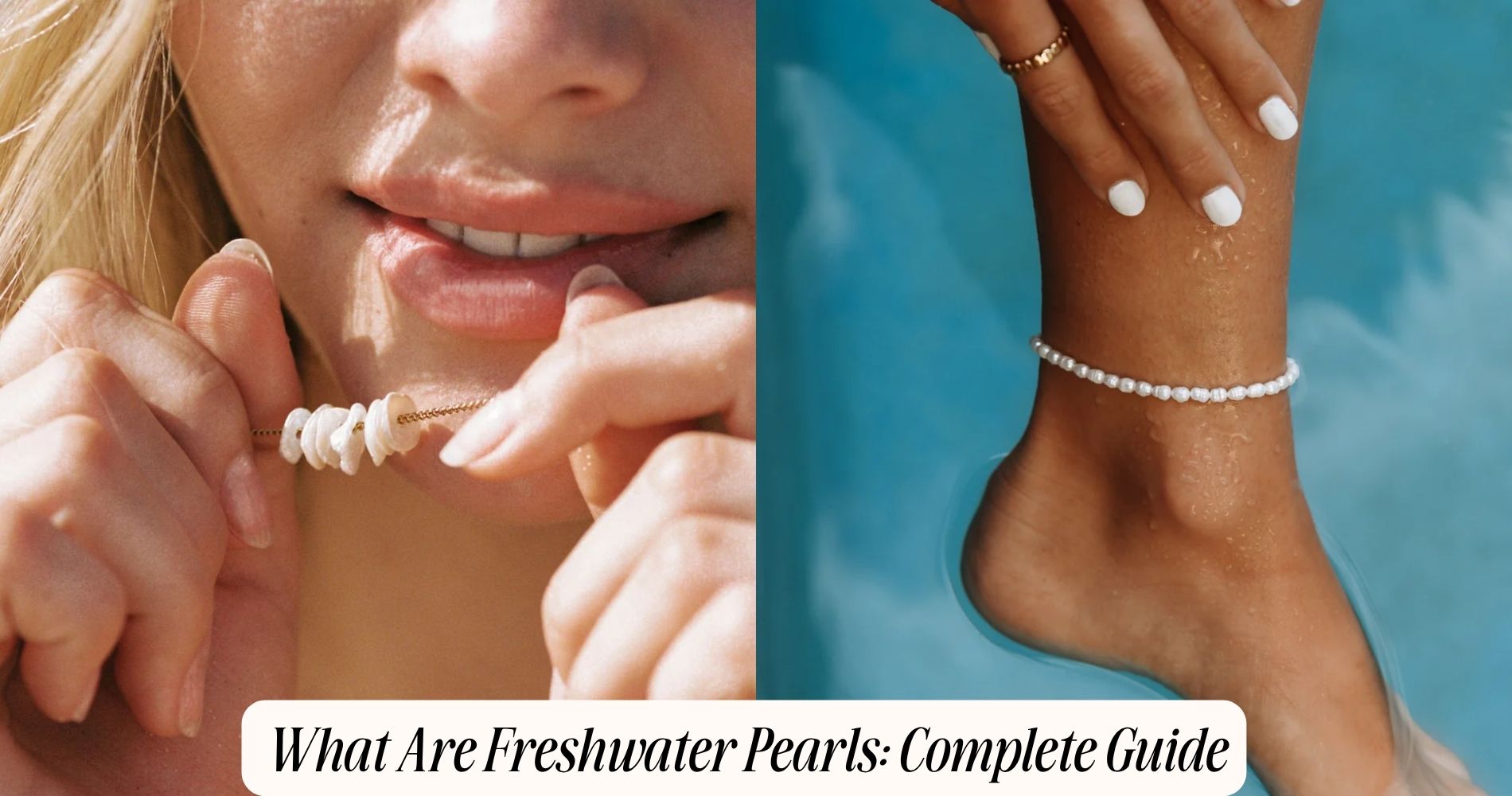
PVD-coated stainless steel is the most practical hypoallergenic anklet material because it handles the combined exposure of salt water, chlorine, and sustained sweat contact without the coating degrading or the base metal corroding. Solid gold anklets at 14k and above handle those conditions without any reactive concern. Sterling silver anklets are not appropriate for active outdoor ankle wear because salt water and sweat accelerate their tarnishing significantly, and tarnished silver in contact with ankle skin produces localized irritation even in people without a formal metal sensitivity.
Style consideration: Fine chain anklets with minimal pendants create the least abrasion against ankle skin during movement. Charm anklets with multiple hanging elements create more mechanical contact between metal components and skin during walking and swimming, which concentrates reactive conditions at the contact points of each charm.
| Piece Type | Highest Reaction Risk Point | Best Material | Key Style Choice |
|---|---|---|---|
| Necklace | Clasp at nape of neck | PVD 316L steel, solid gold | Uniform material clasp and chain |
| Ring | Inner shank against finger | PVD 316L steel, solid gold | PVD coverage on inner shank confirmed |
| Earring | Post inside piercing tissue | Implant titanium, PVD steel | Flat back closure over butterfly back |
| Bracelet | Clasp and wrist-contact underside | PVD 316L steel, solid gold | Verified PVD on clasp mechanism |
| Anklet | Full surface in active outdoor conditions | PVD 316L steel, solid gold | Fine chain, minimal charm contact |
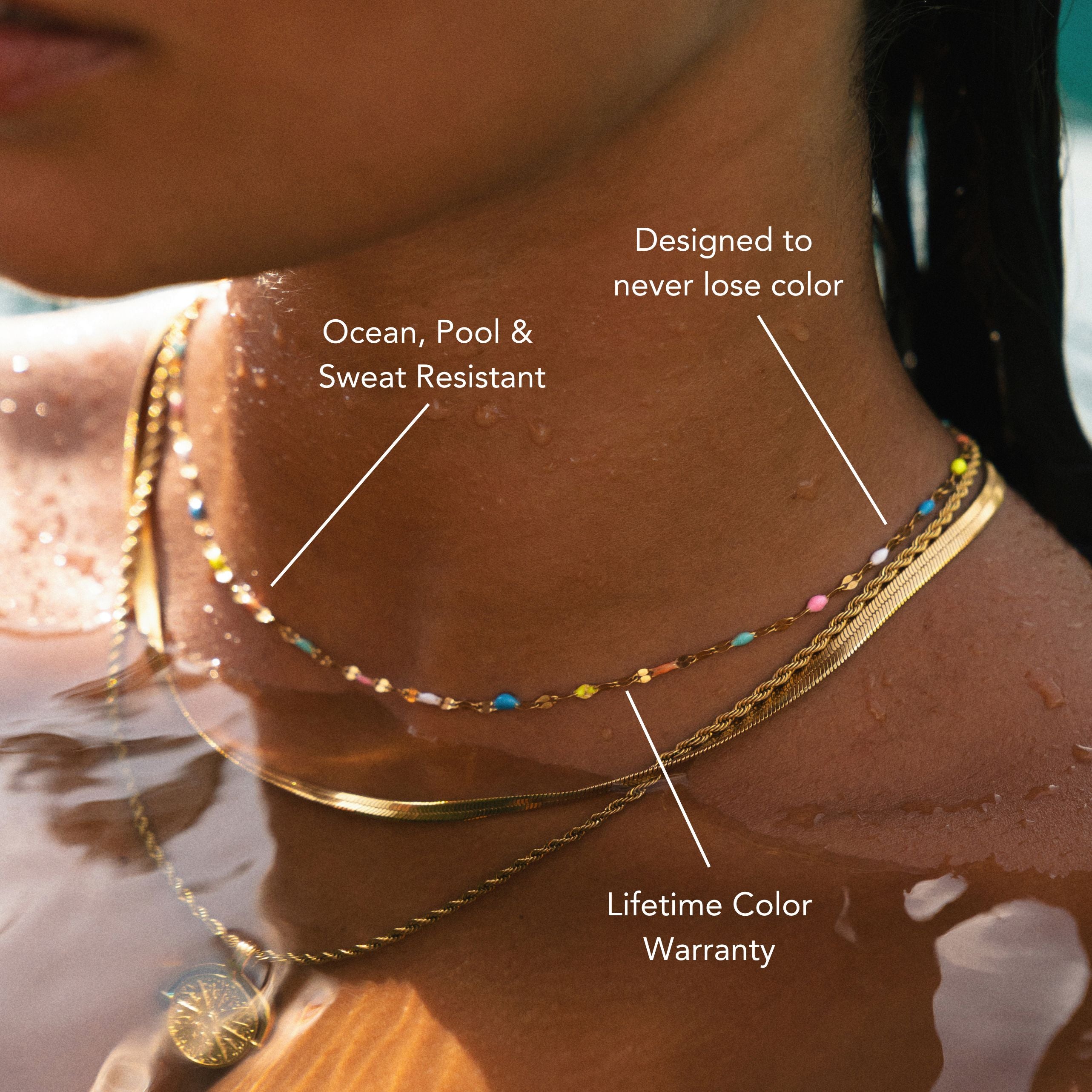
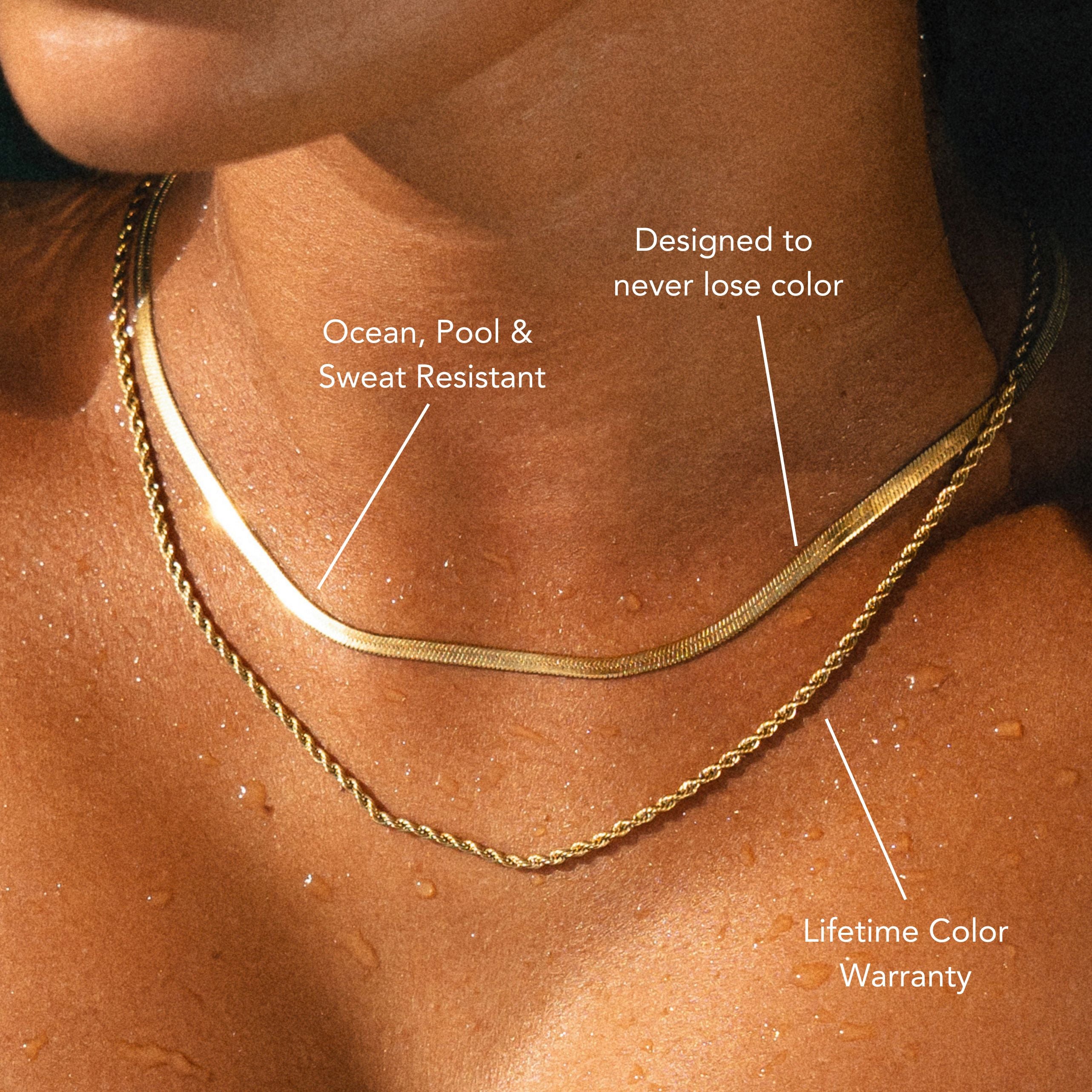
ATOLEA's hypoallergenic range covers all five piece types in PVD-coated 316L stainless steel construction with nickel-free surface contact throughout, including clasps, posts, and backs. Every piece carries a lifetime color warranty that reflects the material's genuine performance through the active wearing conditions each piece type faces.
Frequently Asked Questions
What is the best hypoallergenic jewelry for sensitive skin?
The safest hypoallergenic materials across all jewelry types are implant-grade titanium, solid yellow gold at 14k and above, niobium, and PVD-coated 316L stainless steel. Each provides a non-reactive skin contact surface. The choice between them depends on sensitivity level and price range: titanium and niobium are the most biocompatible, solid gold is non-reactive throughout its construction, and PVD stainless steel provides accessible everyday pricing with reliable protection for most sensitive skin.
Does hypoallergenic mean no reaction?
Hypoallergenic means less likely to cause a reaction, not guaranteed reaction-free. The term is unregulated in jewelry marketing and can appear on products that still contain nickel. For genuinely reactive skin, the material specification matters more than the hypoallergenic label. A piece identified as implant-grade titanium or solid 14k yellow gold with a verifiable hallmark provides more reliable protection than a piece simply labeled hypoallergenic without a named base metal.
Can I wear hypoallergenic jewelry in the pool and ocean?
Yes, with the right material. PVD-coated stainless steel and solid gold maintain their non-reactive surface through chlorine and salt water exposure. Their hypoallergenic properties hold through those conditions because the PVD coating does not lift in water and the gold alloy does not corrode. Sterling silver and fashion jewelry described as hypoallergenic without a specific material base should not be worn in pools or ocean because water exposure accelerates the surface changes that expose reactive base metals.
Is sterling silver hypoallergenic?
Sterling silver is not consistently hypoallergenic. The silver itself is rarely an allergen, but sterling alloys often contain copper and sometimes nickel depending on the manufacturer and market. Sterling silver also tarnishes, and tarnished silver in contact with skin produces localized irritation in some people. For genuinely sensitive skin, the variability in sterling silver alloy composition makes it a less reliable choice than titanium, solid gold, or PVD-coated stainless steel with verified composition.
How do I test if jewelry is causing my skin reaction?
Remove all jewelry and allow any current reaction to fully resolve, typically five to seven days. Then introduce one piece at a time, starting with a verified hypoallergenic material (titanium or solid gold), and wear it for two hours on the first day. If no reaction develops after two to three days of gradual wear extension, the material is tolerated. If reaction develops, remove immediately and allow resolution before testing another material. This systematic approach identifies whether the reaction is material-specific or related to other factors such as soap accumulation.
Conclusion
Hypoallergenic jewelry for women means matching the right material to each piece type rather than applying a single standard across all jewelry. Rings need inner shank coverage. Necklace clasps need the same material as the chain. Earring posts need biocompatible material at the tissue contact point. Bracelets need verified clasp construction. Anklets need materials that hold their non-reactive surface through active outdoor conditions. PVD-coated stainless steel and solid gold cover all five requirements at accessible and fine jewelry price points respectively, and both can be worn through the full range of daily life without the reaction cycle that reactive metals produce.






Leave a comment
This site is protected by hCaptcha and the hCaptcha Privacy Policy and Terms of Service apply.