

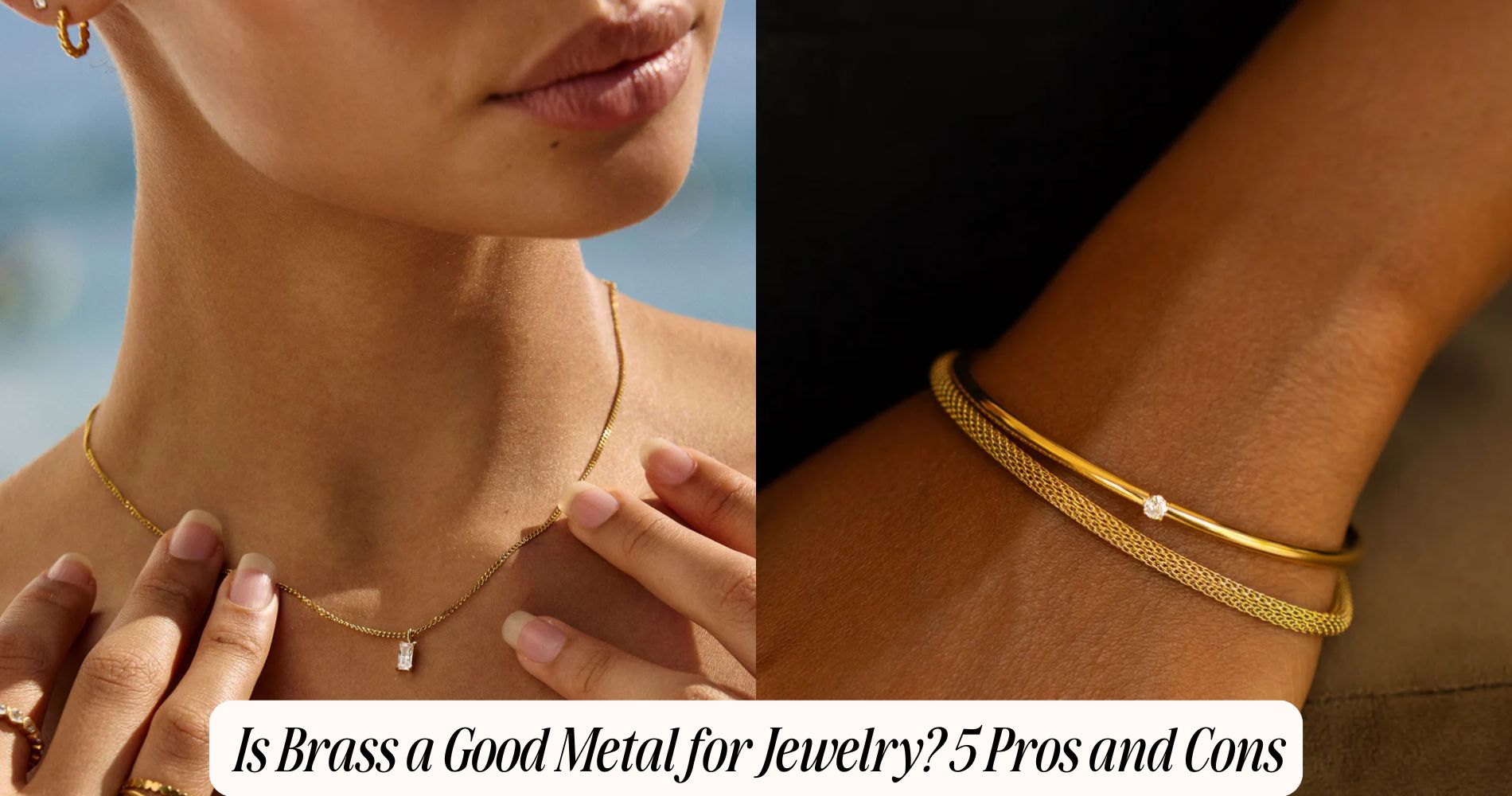
Is Brass a Good Metal for Jewelry? 5 Pros and Cons
Is brass a good metal for jewelry? Brass is a smart, budget-friendly option that delivers strong visual impact at a fraction of the cost of gold or silver, making it popular for detailed designs and bold statement pieces. It offers moderate durability—bracelets and rings may scratch over time—and it naturally tarnishes, developing a patina rather than rust. Occasional polishing and dry storage help maintain its look. Some wearers may notice skin sensitivity, especially with moisture or nickel content, though protective coatings can reduce reactions. For lower maintenance and everyday ease, alternatives like Waterproof Jewelry provide a more worry-free option. Overall, brass offers excellent style per dollar—next, see how to balance care, durability, and comfort.
Affordability and Value
Although prices vary by design and finish, brass consistently offers a low-cost entry into jewelry compared with gold, sterling silver, and many plated alternatives. You’ll see clear advantages in a cost comparison: brass typically retails at a fraction of precious metals, allowing larger-scale or statement pieces without a premium price.
Lower material and fabrication costs can free your budget for design variety or trend experimentation.
However, you should weigh long-term value. Brass’s intrinsic metal value is modest, so resale value is generally limited compared with gold or sterling silver, which track commodity prices.
If you prioritize liquidity or heirloom retention, precious metals outperform brass. If you prioritize aesthetics per dollar and collection breadth, brass delivers strong value, especially for fashion-forward, seasonal, or occasional-wear pieces.

Durability and Everyday Wear
Value matters at purchase, but day-to-day performance determines satisfaction. Brass offers moderate durability for routine use. Its metal hardness typically ranges from 3–4 on the Mohs scale, softer than stainless steel and many gold alloys. As a result, you’ll see surface abrasions over time, especially on rings and bracelets that contact hard surfaces.
Wear resistance improves with work-hardened or higher-zinc brass, but it still trails harder metals.
Corrosion behavior is mixed. Brass resists rust because it’s non-ferrous, yet it can tarnish via oxidation, producing a darkened patina. Skin oils, sweat, and cosmetics accelerate this change.
In humid or salty environments, dezincification may occur, dulling luster. A clear lacquer or gold plating reduces abrasion and tarnish. With occasional polishing and careful storage, you’ll maintain acceptable everyday wear.
Style Versatility and Design Options
Because brass is a highly formable copper–zinc alloy, it supports a wide range of silhouettes—from crisp, machine-cut geometrics to fluid, hand-forged forms.
You can specify precise tolerances for laser-cut motifs, cast sculptural volumes, or achieve fine wirework without compromising structural integrity. Its moderate hardness accepts detailed engraving and reliable stone settings, including bezel and pavé, at accessible costs.
You can track design trends quickly because brass machines, solders, and finishes efficiently, enabling rapid prototyping and small-batch iteration.
It pairs well with mixed materials—enamel, leather, resin, and textiles—so you can engineer contrast in texture and scale.
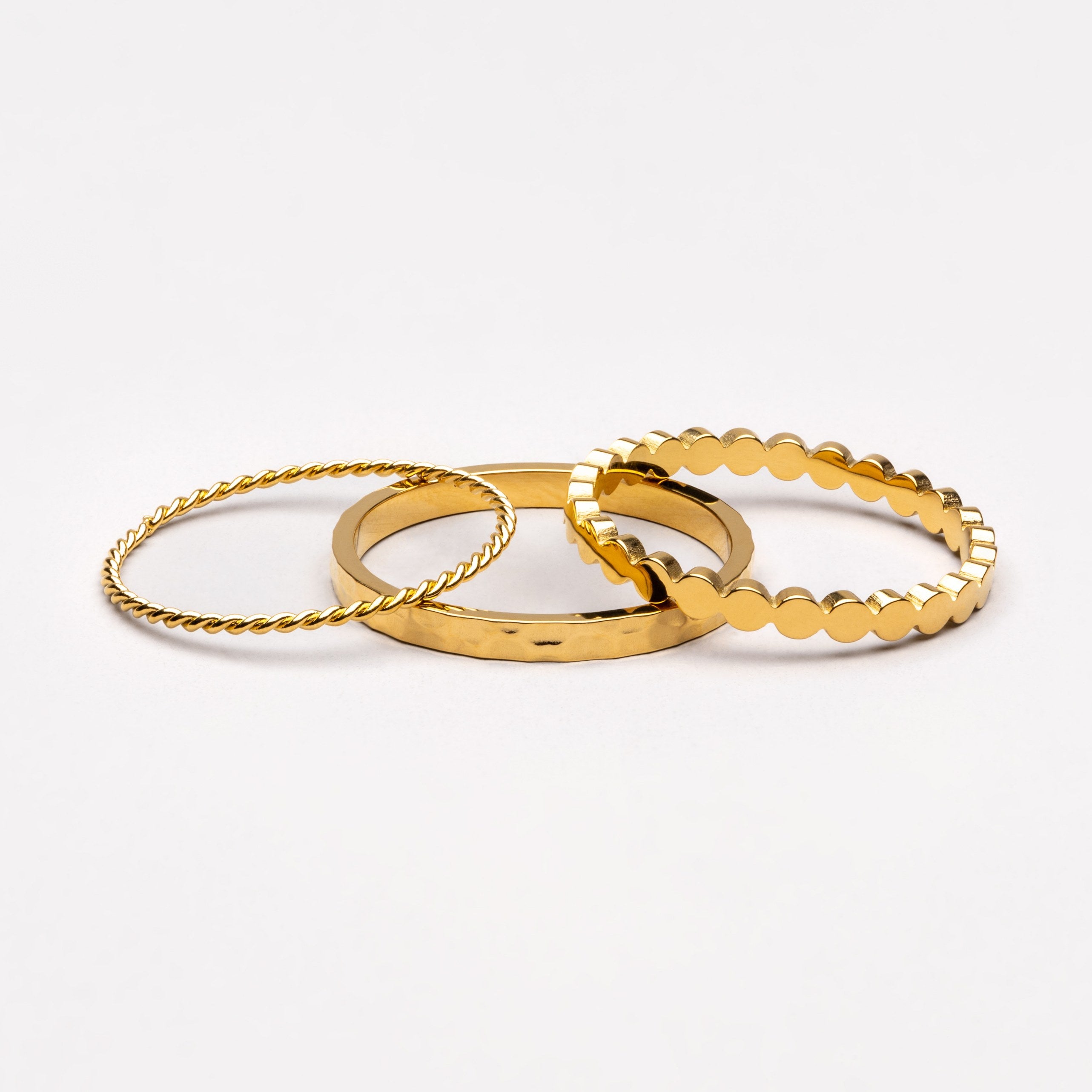
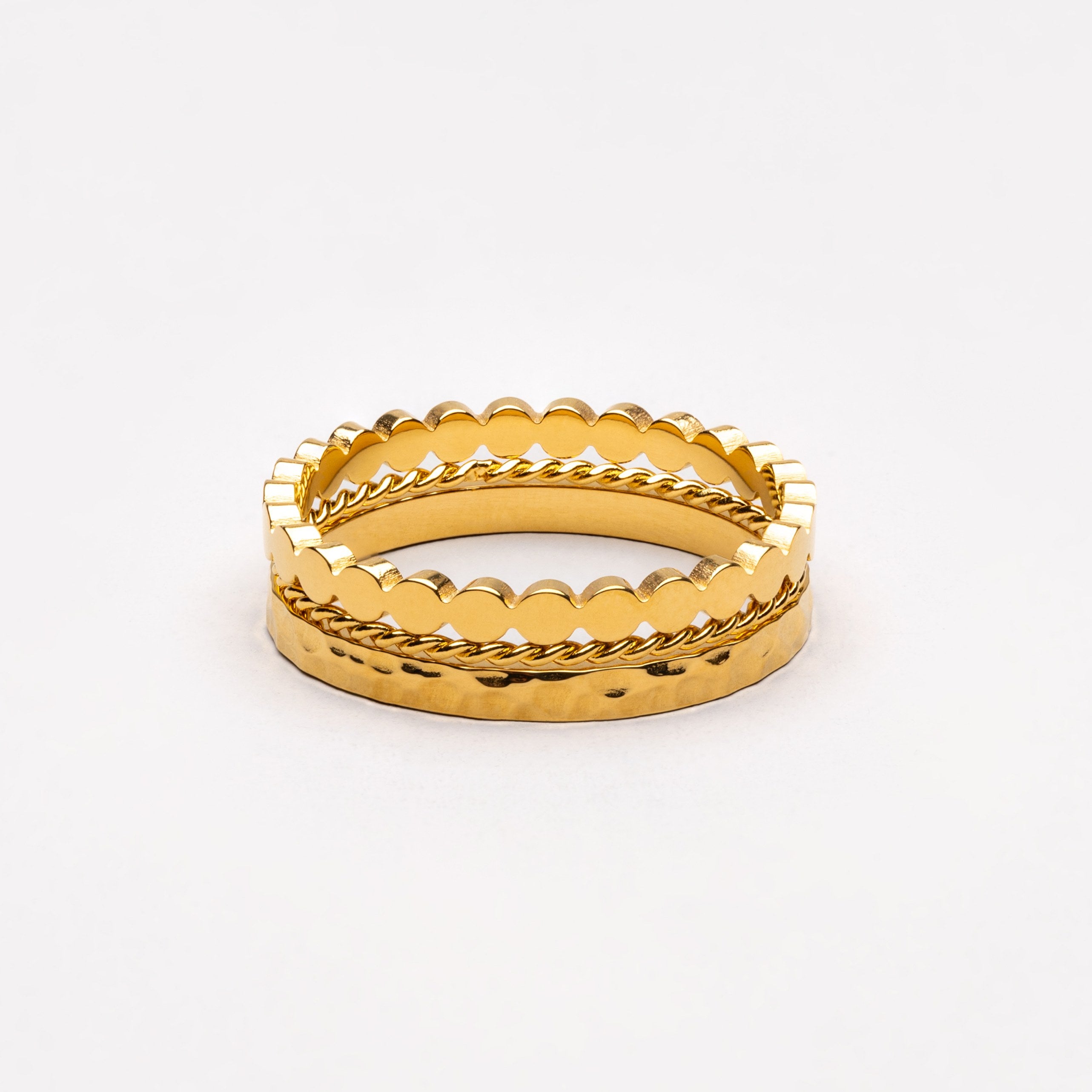
For styling, brass suits layering techniques: stackable bangles, nested pendants, and modular charms maintain visual coherence.
Consistent color and weight allow coordinated sets across collections and seasons.

Tarnish, Patina, and Color Changes
While brass offers design flexibility, its copper content makes it reactive, so you should expect surface oxidation that manifests as tarnish and, over time, patina.
You’ll see color shifts from bright yellow to muted brown, olive, or charcoal as oxides and sulfides form, especially in humid or polluted environments. Abrasion, water, and sulfur-rich air accelerate these reactions.
If you prefer a stable hue, use tarnish prevention techniques: apply clear lacquer or nano-ceramic coatings, store pieces in low-humidity containers with anti-tarnish strips, and clean with mild surfactants followed by thorough drying.
If you like controlled aging, you can leverage patina aesthetic appeal through chemical patination (liver of sulfur, ammonia fumes) or heat treatments, then seal the surface.
Expect coatings to require periodic renewal to maintain appearance consistency.
Skin Sensitivity and Care Requirements
Although brass is generally well tolerated, its copper and possible trace nickel content can trigger contact dermatitis in sensitive skin, especially with prolonged moisture and friction that promote metal ion release.
If you’ve had reactions to nickel or copper, verify the metal composition with the maker, and consider hypoallergenic alternatives or pieces with robust barrier coatings. To reduce exposure, keep skin dry, remove jewelry before exercise, swimming, or sleep, and clean residue that traps sweat and lotions.
For allergies management, apply a clear polymer sealant to contact surfaces, reapplying as it wears.
Use pH-neutral soap and a soft cloth for routine cleaning; avoid abrasive agents that strip protective films. If irritation develops, discontinue wear and consult a clinician; patch-test reintroduction after symptoms resolve.

Frequently Asked Questions
Is Brass Considered Sustainable or Eco-Friendly for Jewelry Making?
Yes, you can consider brass relatively sustainable, especially with brass recycling and eco friendly sourcing. You reduce mining impacts, leverage high recyclability, and lower energy use. Still, you must verify supply chains, alloy composition, and potential lead content.
How Does Brass Compare to Gold-Filled and Gold-Plated Jewelry?
Brass sits between gold-plated and gold-filled: you get moderate longevity, lower cost, and easy polishing. In brass durability comparison, it outlasts thin plating but trails gold-filled. Brass aesthetic appeal offers warm tone, though it can tarnish and trigger sensitivity.
Can Brass Jewelry Be Resized or Repaired Easily by Jewelers?
Yes, most jewelers can resize or repair brass, but it’s less straightforward than precious metals. You’ll encounter heat-sensitivity, zinc fumes, and plating issues. Common repair techniques include soldering and laser welding; resizing options depend on design, thickness, and stone settings.
Is Brass Suitable for Heirloom or Engagement Jewelry Settings?
No. You’ll face brass durability concerns: softness, wear, and prong deformation risk stone security. Although brass aesthetic appeal mimics gold, it tarnishes, may cause skin reactions, and complicates long‑term maintenance. Choose platinum or gold alloys for heirloom engagement settings.
Does Brass Affect Metal Detectors or Airport Security Screening?
Yes. Brass typically triggers metal detection during security screening because it’s conductive and metallic. Small jewelry may yield weak signals, but cumulative items increase detection likelihood. Remove brass accessories, place them in trays, and follow screener instructions to minimize alarms.
Conclusion
Brass can be a smart choice if you weigh cost, wearability, and aesthetics. You’ll get budget-friendly pieces with strong formability and a broad design range. Expect tarnish and patina over time; you can either polish it or embrace the color shift. If you have nickel sensitivity, verify alloy composition or use protective coatings. For daily wear, remove before water, sweat, or chemicals. With realistic expectations and routine care, you’ll maximize value while minimizing maintenance and irritation.





Leave a comment
This site is protected by hCaptcha and the hCaptcha Privacy Policy and Terms of Service apply.