

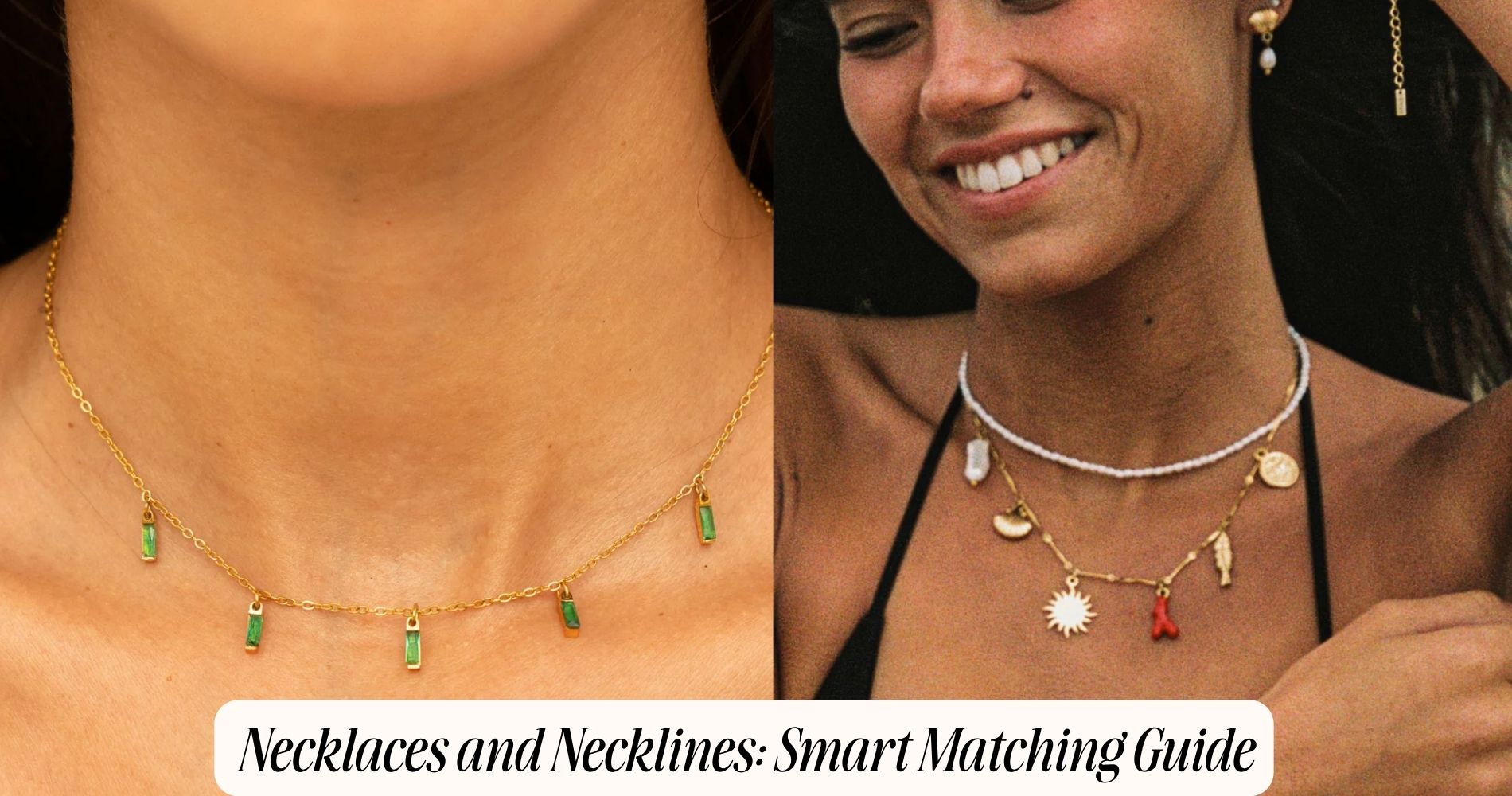
Necklaces and Necklines: Smart Matching Guide
The wrong necklace length can work against an outfit even when both pieces are individually good. Getting necklaces and necklines to work together is not about following rigid rules, but it does involve understanding a few consistent principles around neckline shape, chain length, and pendant placement. Whether you are dressing around a V-neck, a crew neck, or an off-shoulder top, the same logic applies: the necklace should either follow the neckline's direction or create a deliberate contrast with it.
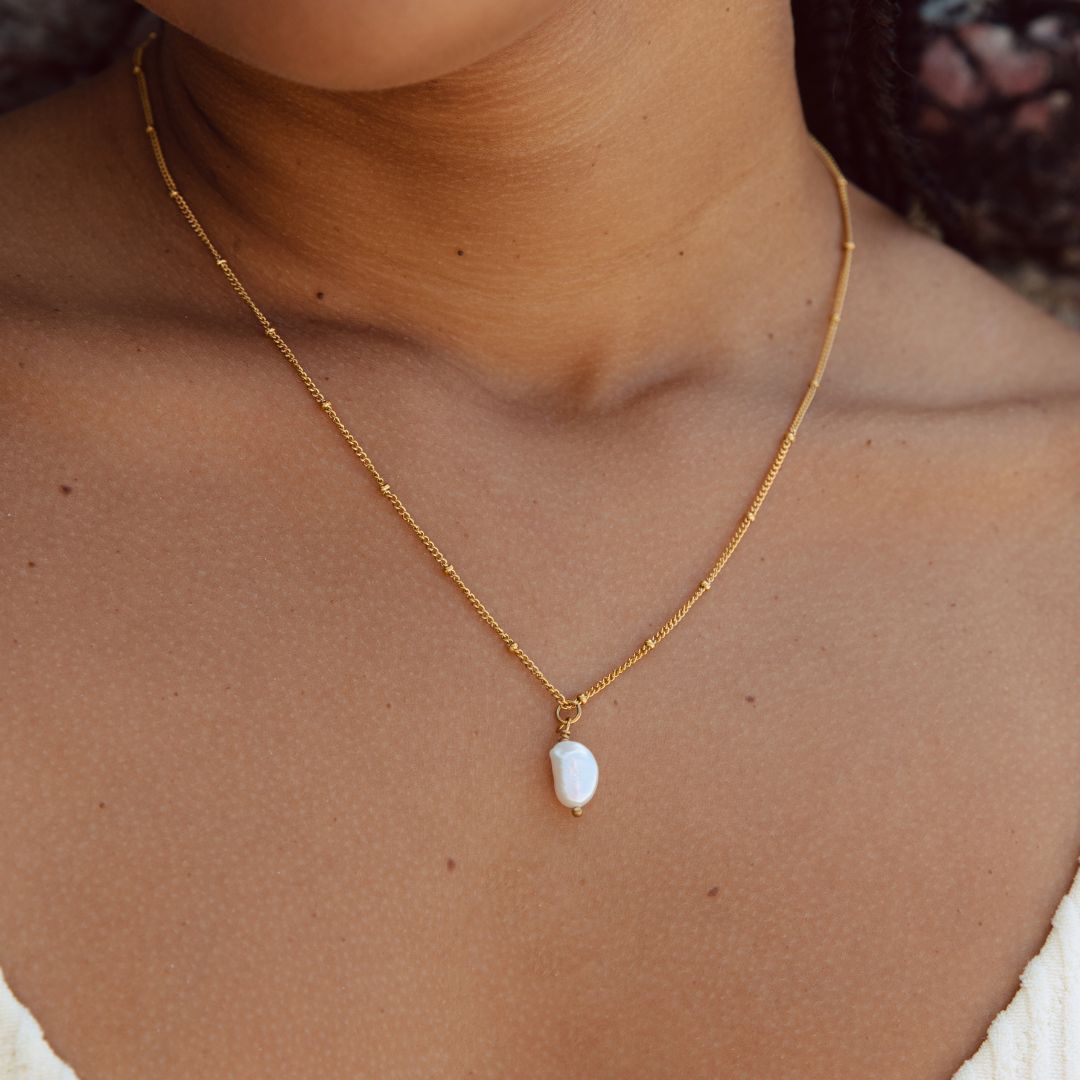
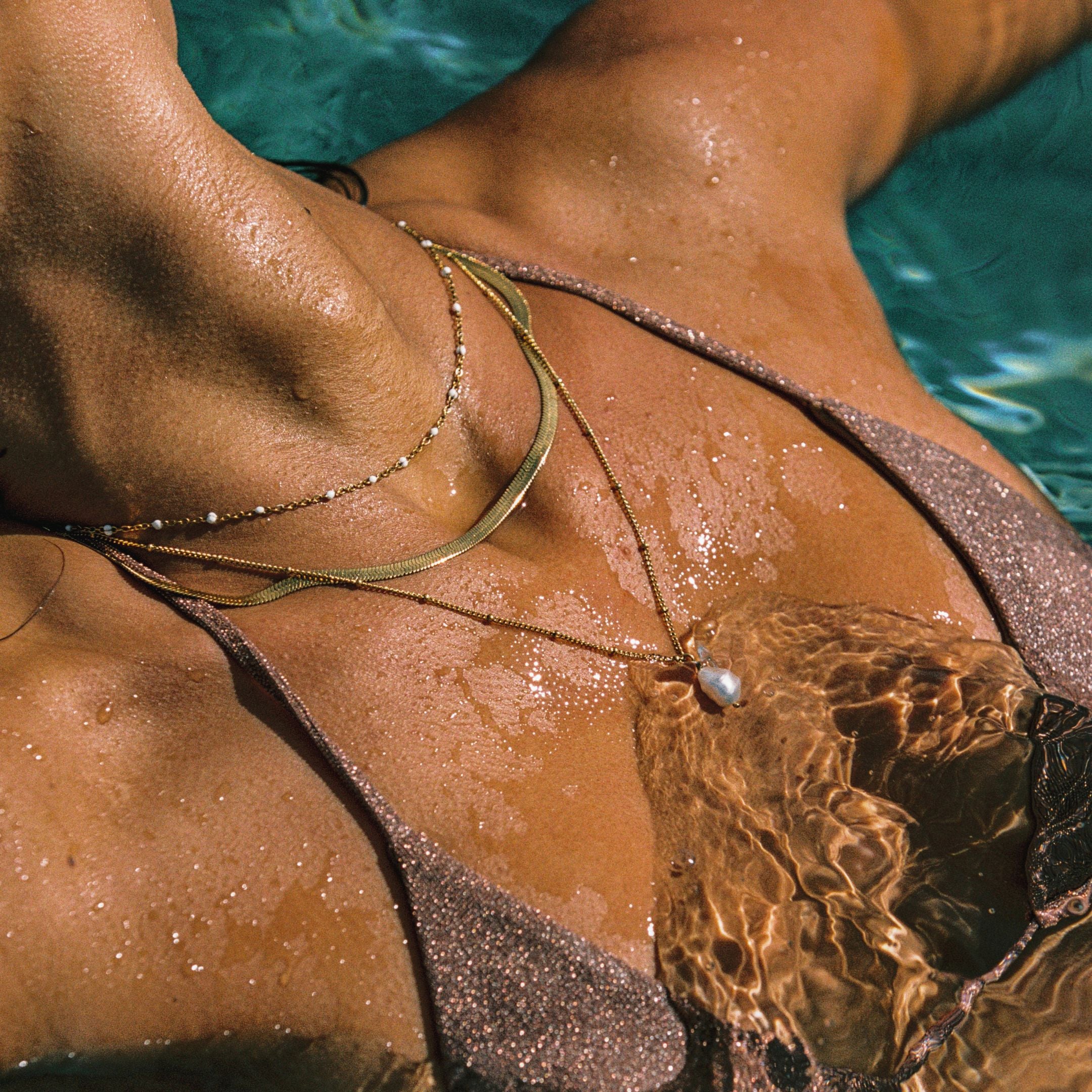
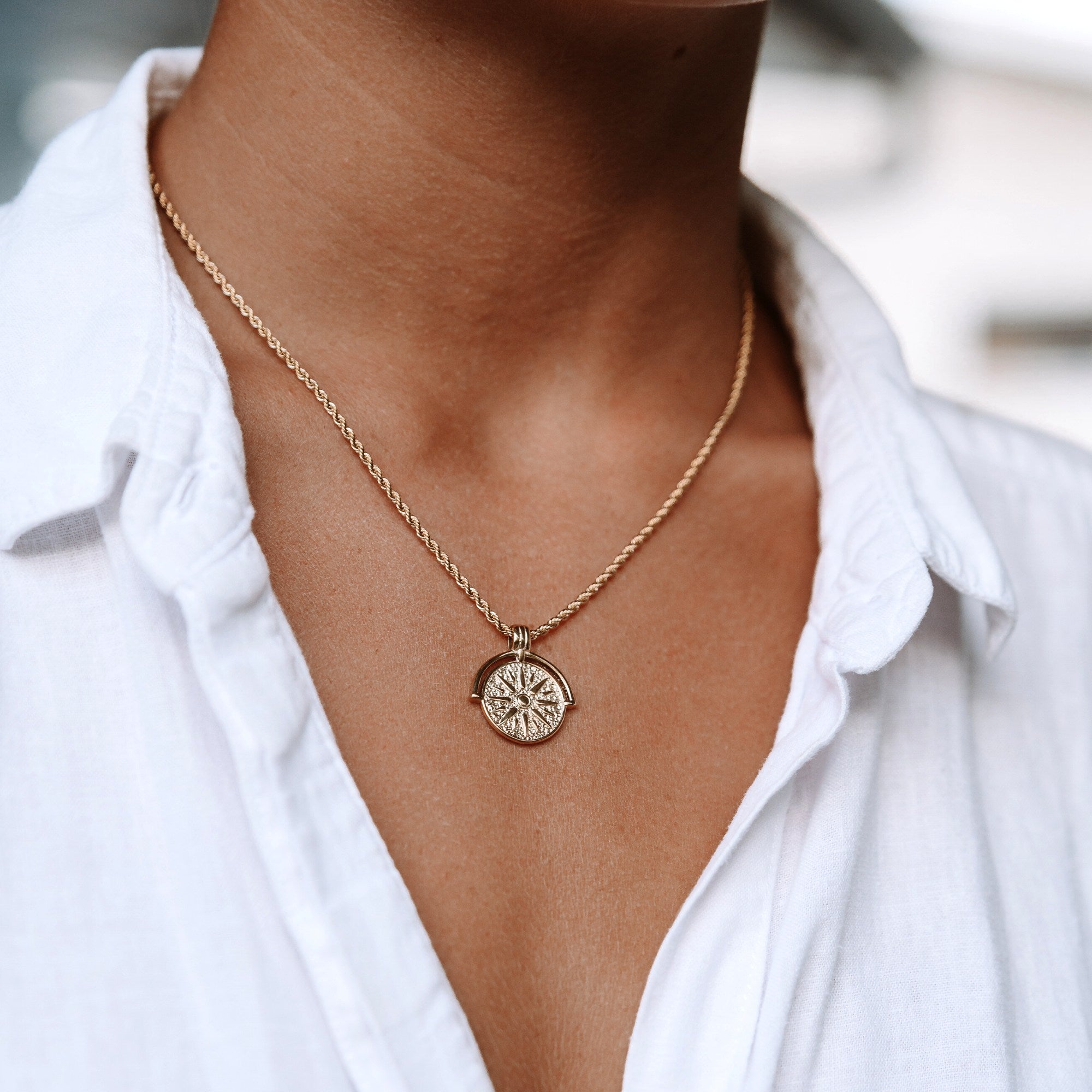
This guide covers the most common neckline types, the chain lengths and pendant styles that pair best with each, and how Waterproof Necklaces built for all-day wear make the pairing practical beyond just the visual.
Why Necklaces and Necklines Need to Work Together
A necklace sits in relationship to a neckline whether you intend it to or not. When the two compete, the eye moves between them instead of settling on either. When they work together, the necklace feels like part of the outfit rather than an addition to it.
The core principle is simple: necklace length and pendant placement should either echo the neckline's shape or sit in clear contrast to it. A V-neck calls for a necklace that follows that V shape downward. A crew neck calls for something that sits above the fabric or far enough below it to create visual separation. Anything in between tends to look accidental.

Chain length is the primary variable you are working with. Standard lengths run from 14 inches (sits at the collarbone) to 18 inches (sits just below the collarbone) to 20 to 24 inches (falls toward or past the chest). Knowing where each length sits on your body makes it easier to visualize the pairing before you put it on.
Pendant shape and size add a secondary layer. A small delicate pendant reads differently than a larger statement piece at the same chain length, and both interact with the neckline in different ways.
Matching Necklaces and Necklines: A Complete Style Guide
Different neckline shapes create different framing conditions for a necklace. Working through each type gives you a clear reference for your most-worn pieces.
| Neckline | Best Necklace Length | Pendant Style | Avoid |
|---|---|---|---|
| V-neck | 18 to 22 inches | Pendant that follows the V line | Chokers, wide collar styles |
| Crew neck | 18 to 24 inches (below the fabric) | Layered chains, longer pendants | Lengths that compete with the neckline |
| Scoop neck | 16 to 20 inches | Delicate chains, small pendants | Very long pendants that disappear into fabric |
| Off-shoulder | Choker or 14 to 16 inches | Statement or sculptural | Mid-length chains that crowd the collarbone |
| Turtleneck | 22 to 30 inches | Bold pendant, long layered chains | Short chains lost against fabric |
| Boat neck | 16 to 18 inches | Dainty pendant or simple chain | Chokers that duplicate the neckline |
| Square neck | Choker or 16 inches | Geometric or layered | Pendants that break the square's clean line |
| Halter neck | Choker or very long (24 inches plus) | Minimal or statement | Mid-length chains that interrupt the neckline |

Layering Necklaces Across Different Necklines
Layering multiple chains adds dimension but follows the same underlying logic. Each chain in the stack should sit at a visibly different length, typically spaced at least two inches apart, so the layers read as distinct rather than bunched.
For V-necks and scoop necks, layering works well because the open neckline creates space for multiple lengths to sit without crowding. A 16 inch choker style, an 18 inch delicate pendant, and a 22 inch longer chain create a clean three-layer stack that follows the V's natural direction.

For crew necks and square necks, the closed neckline means the lowest layer needs to clear the fabric before the layering reads correctly. Start the first layer at 18 inches minimum and build downward from there.
Turtlenecks are the one neckline where layering becomes genuinely difficult. Multiple long chains over a thick turtleneck tend to tangle and create visual noise rather than intentional layering. A single statement pendant usually works better.
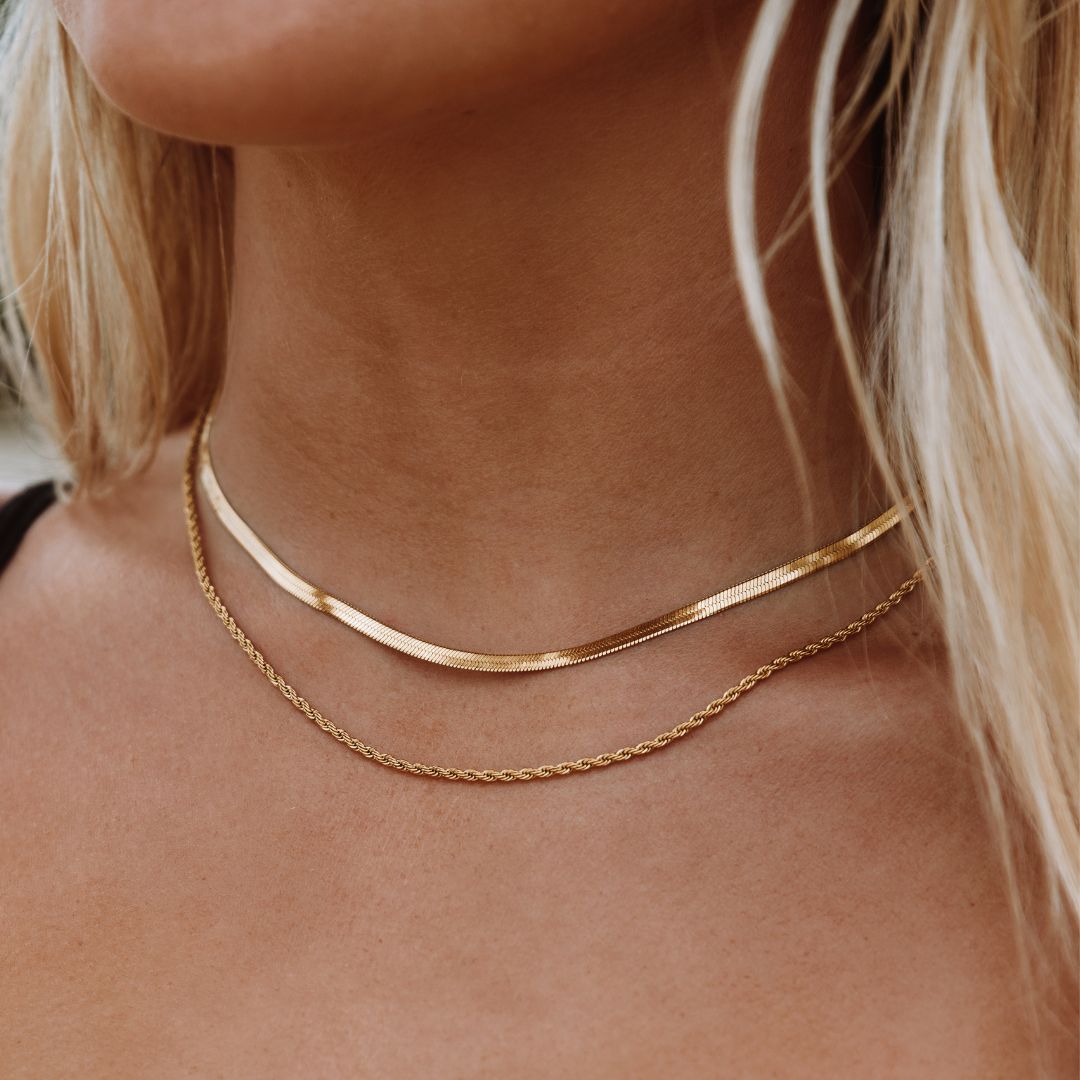
When layering, mixing chain textures adds interest without adding visual weight. A fine chain alongside a slightly chunkier style at different lengths creates contrast that reads as intentional. Keeping all pieces in the same metal tone holds the stack together visually.
Practical Considerations for Everyday Necklace and Neckline Pairing
The most considered pairing becomes impractical if the necklace itself cannot hold up through a full day. This is particularly relevant for active dressing, travel outfits, and pieces worn through varied conditions.
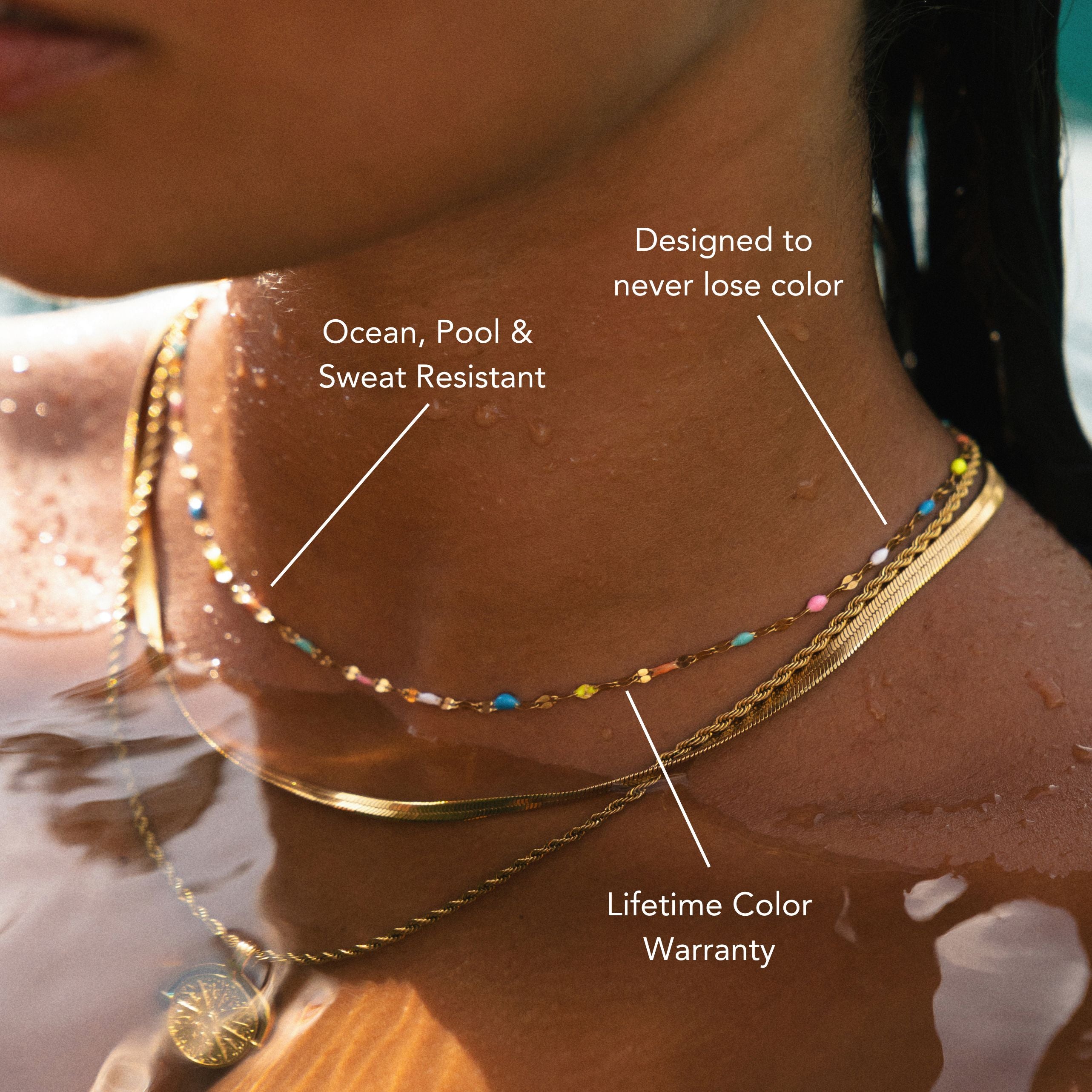
A necklace worn from a morning workout through an afternoon at the office and into an evening out faces sweat, movement, and potential water exposure. Standard gold-plated necklaces tarnish and lose their finish under those conditions within weeks of regular use, which limits how freely you can pair them with your most-worn pieces.

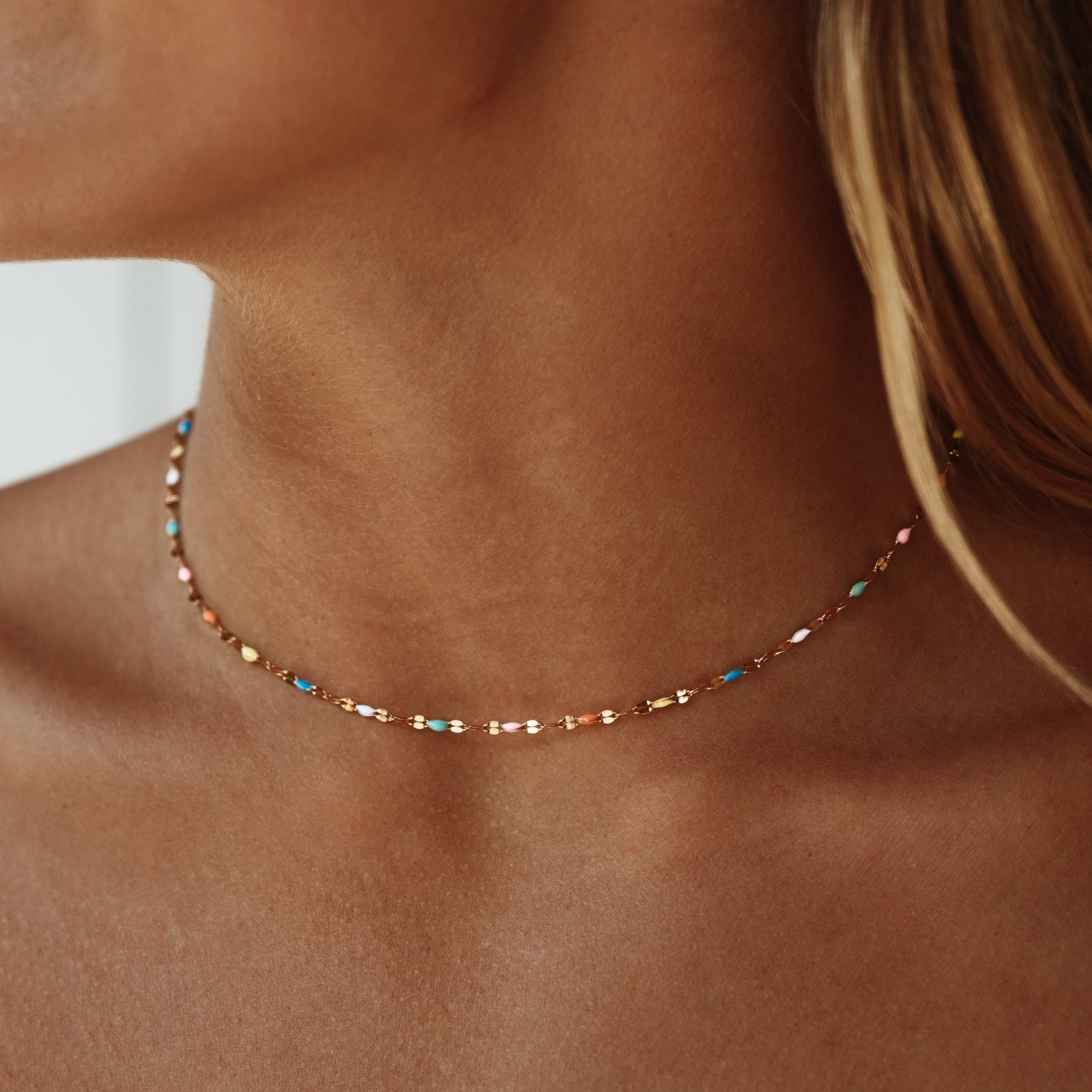
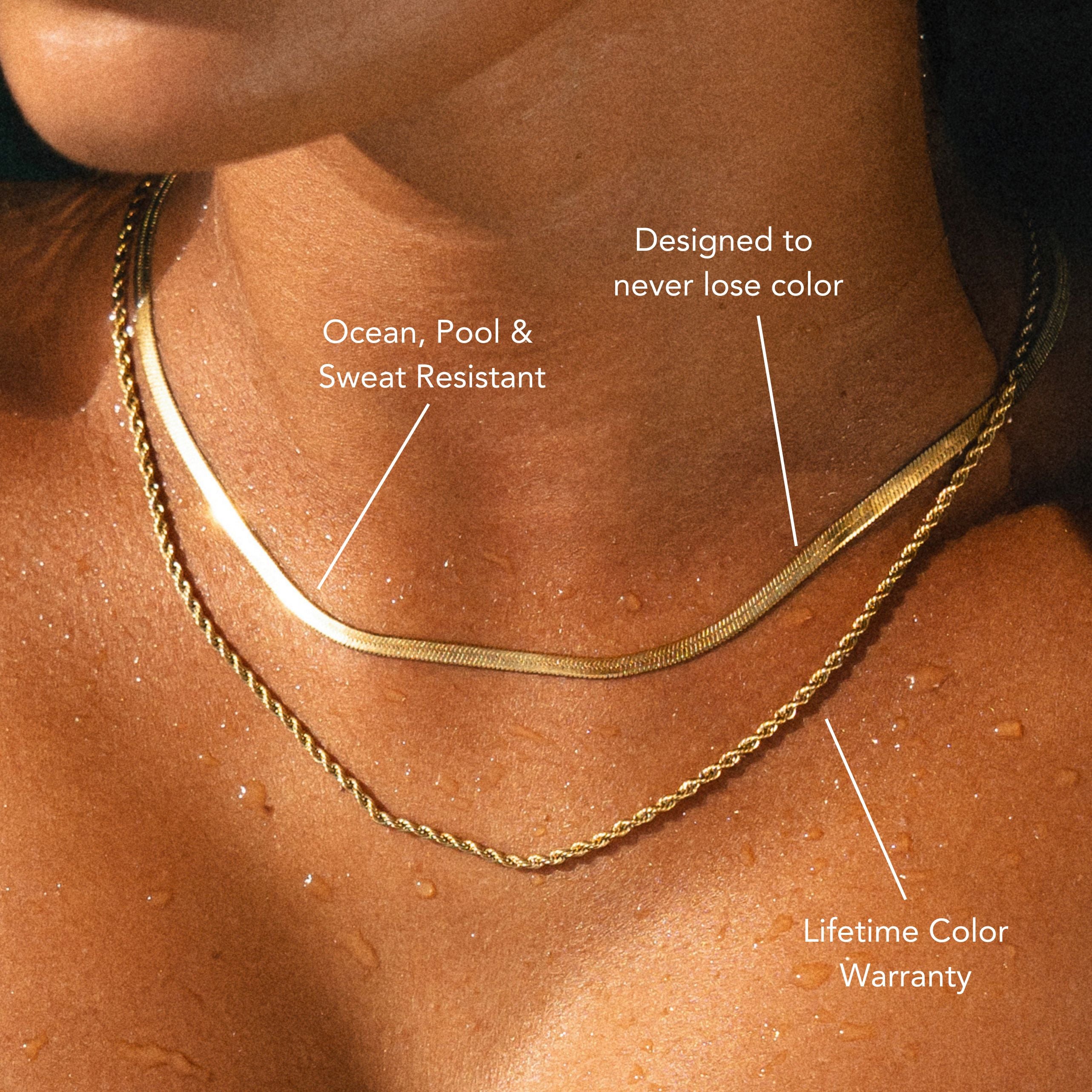
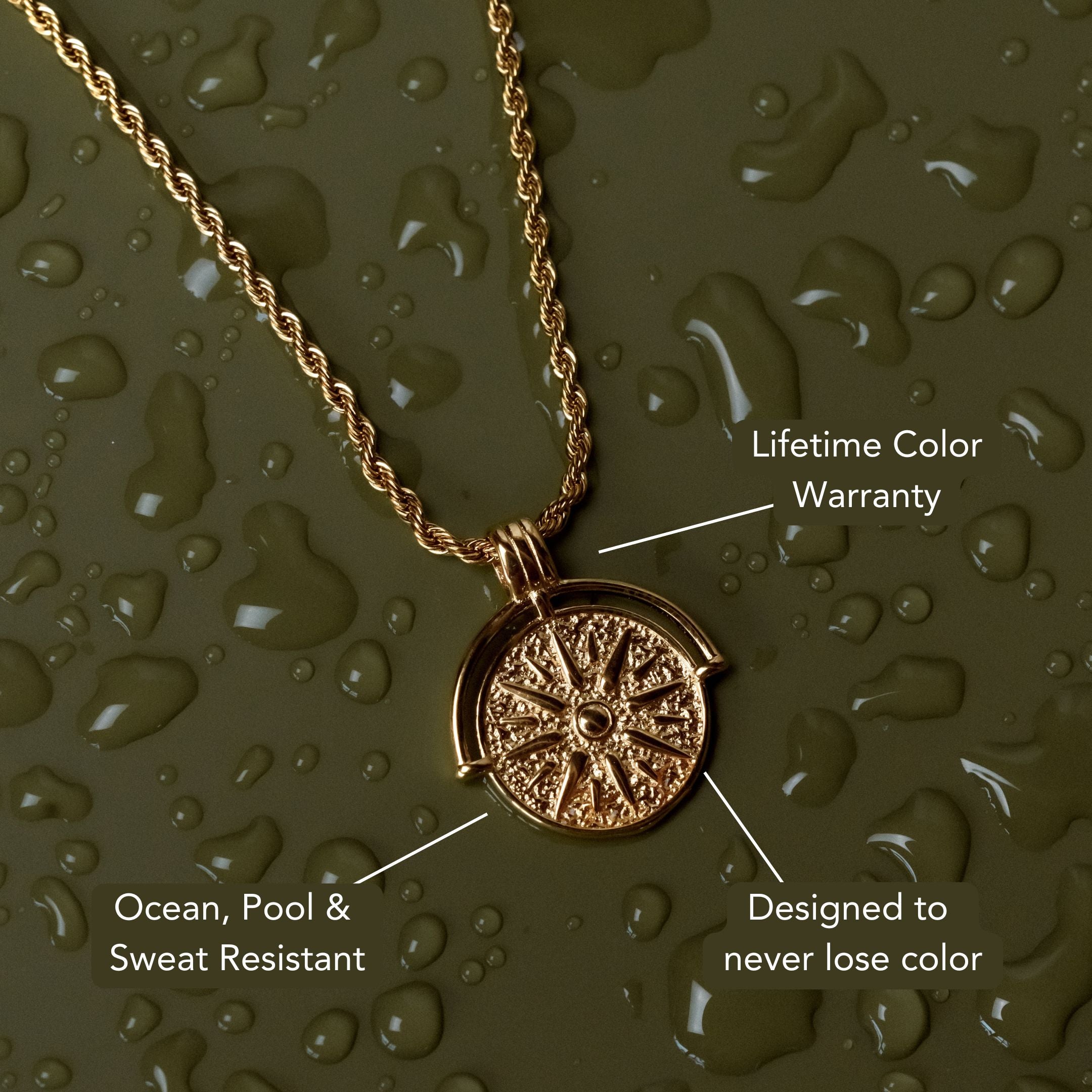
PVD-coated stainless steel necklaces address this directly. The PVD process bonds the finish layer at the molecular level, producing a coating 10 times thicker than standard plating. The result holds through sweat, sunscreen, pool sessions, and beach days without the color lifting or shifting. That consistency matters for everyday pairing because the necklace looks the same on day 200 as it did on day one, which means the pairing you choose actually stays the way you intended it.
Frequently Asked Questions
What necklace goes with a V-neck top?
A pendant necklace on an 18 to 22 inch chain that sits inside the V is the most reliable pairing. The pendant follows the downward direction of the neckline and creates a natural visual flow. Avoid chokers on deep V-necks because the length mismatch leaves a gap that looks unintentional. Delicate layered chains at graduating lengths also work well on a V-neck because each layer follows the same downward direction.
Can you wear a choker with a crew neck?
A choker can work with a crew neck if it sits clearly above the fabric rather than at the same level. The distinction matters: a choker that sits just above the crew neck edge creates clean separation. One that sits at the same height blends into the neckline. If the gap between the choker and the neckline is less than an inch, choose a longer chain instead.
How do necklaces and necklines work for layering?
The key is visible length separation between each chain, at least two inches per layer, so each piece reads distinctly. The neckline type determines where the first layer should sit: open necklines like V-necks and scoop necks allow a shorter first layer because there is skin to work with. Closed necklines like crew necks need the first layer to clear the fabric before the stack becomes readable.
Does necklace material matter for everyday outfit pairing?
Material affects how consistently the necklace holds up across different wearing conditions. A piece worn daily through varied outfits, activities, and environments needs a finish that stays stable. PVD-coated necklaces maintain their color through sweat, water, and product exposure, which means the pairing you build around a specific piece looks the same over time rather than fading or shifting with wear.
Conclusion
Necklaces and necklines work best together when length and pendant placement either follow the neckline's geometry or create a deliberate visual contrast with it. The table in this guide gives you a quick reference for your most-worn neckline types, and the layering rules apply consistently across all of them. Choosing pieces with a finish that holds through daily wear means the pairings you build actually stay the way you intended them across a full season of wearing.





Leave a comment
This site is protected by hCaptcha and the hCaptcha Privacy Policy and Terms of Service apply.