

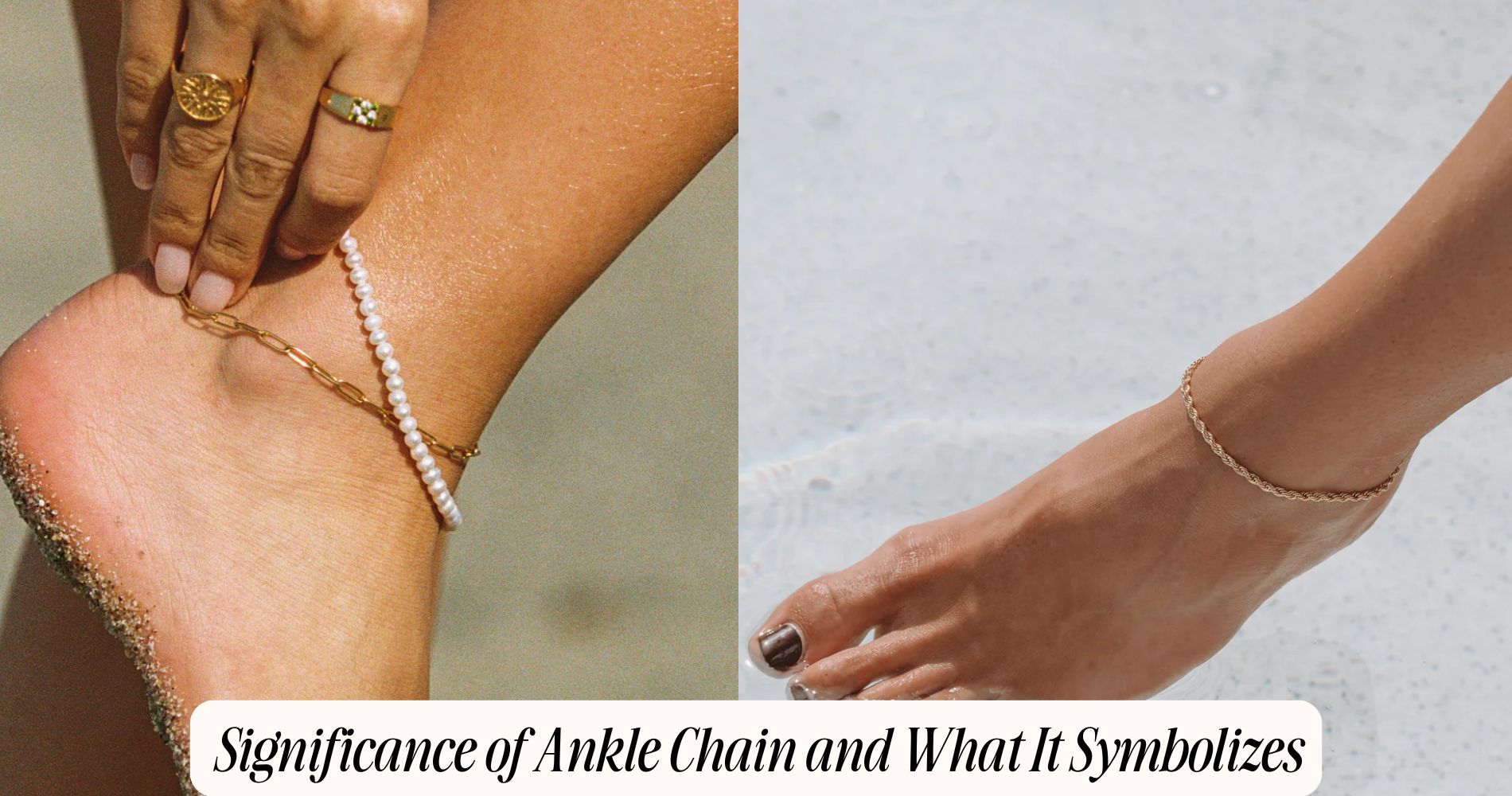
Significance of Ankle Chain and What It Symbolizes
Explore the significance of ankle chain as more than a decorative accessory—it carries stories of ritual, status, protection, and personal style shaped by culture and heritage. In parts of South Asia and Africa, ankle chains have symbolized marriage, dance rhythm, and lineage, while in other regions they express fashion, individuality, or sensuality. The materials, weight, and charms often reflect social history and personal meaning, turning each piece into a quiet narrative worn on the body. For modern interpretations built for everyday wear, explore our Waterproof Anklets collection—then continue uncovering the regional symbolism, craftsmanship, and care behind these enduring traditions.
A Brief History of Ankle Chains
When you trace ankle chains through time, you see more than jewelry—you uncover social codes, trade routes, and personal stories woven into metal and thread.
You’ll notice how their historical significance emerges from archaeological finds and travelers’ accounts: ankles adorned in ancient courts, marketplaces, and ship manifests.
You interpret ornaments as markers of status, mobility, and exchange, connecting local craft to distant silver and glass.
Ethnographic attention shows how techniques, motifs, and meanings shift with economic and religious change, revealing cultural evolution rather than static tradition.
You read wear patterns and oral histories to map taste and constraint, seeing ankle chains as lived archives that record negotiation between individual expression and broader social structure.

Ankle-Chain Meanings Across Cultures: South Asia, Africa, Middle East, West
Having traced ankle chains through time as objects that record status, trade, and personal history, you can now read their meanings across regions as overlapping languages of body, sound, and law.
In South Asia you notice ankle chain symbolism tied to ritual rhythm and community identity; bells mark presence in ceremonies and signal belonging.
In Africa the anklet often speaks of lineage and craft economies, its materials and motifs mapping local cosmologies.
In the Middle East ankle adornments reflect legal histories and gendered dress codes, their visibility negotiated in public and private spheres.
In Western contexts ankle chains circulate as fashion, political statement, and reclaimed heritage, detaching traditional prescriptions.
Across these places cultural significance layers: material, performative, and regulatory, inviting attentive, comparative listening.
Personal Meanings: Marriage, Protection, Status, Sensuality, Rebellion
Although anklets often register broader cultural scripts, they also carry intimate, personal languages—signifying marriage vows, amuletic protection, social rank, sexual signaling, or deliberate dissent depending on who wears them and why.
You read marriage symbolism in a simple clasp or paired set when community rituals give it meaning; you sense protection beliefs when charms jingle against skin, an embodied talisman against misfortune.
As an individual, you use ankle chains for status representation, choosing metal, weight, or craftsmanship to signal lineage or aspiration.
You may consciously deploy sensuality expression—subtle glints that draw attention to gait—or adopt them for rebellion significance, repurposing a domestic marker into political or queer self-assertion.
Each choice layers personal narrative onto collective code.

How to Choose and Style an Ankle Chain
How do you pick an ankle chain that speaks both to your body and your story? You start by listening: note the rhythms of movement, the garments you wear, and the cultural cues around you.
Consider materials, weight, and clasps as design considerations that affect comfort and meaning. Think about proportion—delicate chains echo subtle rites, bolder links read as declarations.
Match metals and motifs to occasions and to ancestral or personal symbols you carry. Observe current fashion trends, but let them inform rather than dictate; trends shift, meanings persist.
When styling, layer thoughtfully, balance with shoes and hem lengths, and let placement become a tacit language. Choosing is less about rules and more about how the piece resonates with daily life.
Caring for Ankle Chains: Storage, Maintenance, and Gifting
Care and ritual shape an ankle chain's life: treat storage, cleaning, and gifting as part of its story so the piece keeps wearing in, not out.
You’ll learn to see chains as cultural objects: choose storage solutions that respect form—padded pouches, hanging organizers, or small boxes that reflect local practice—and prevent tangles and corrosion.
Use cleaning methods suited to metal and ornamentation; gentle soap, soft brushes, and occasional professional polishing honor repair traditions without erasing patina.
Follow maintenance tips: inspect links, avoid moisture, rotate pieces so each ages gracefully.
When you gift an ankle chain, frame it with context—wrap in cloth, include provenance or a note, and offer care instructions.
Gifting ideas that connect wearer, maker, and place deepen meaning.

Frequently Asked Questions
Can Ankle Chains Be Worn During Pregnancy Safely?
Yes — you can usually wear ankle chains during pregnancy safely, but you’ll monitor pregnancy safety and body changes, choose comfortable, adjustable designs, avoid tightness or heavy charms, and consult your provider if swelling or discomfort appears.
Do Ankle Chains Carry Legal or Airport Security Restrictions?
Yes—you’ll usually face no airport regulations or major legal considerations for ankle chains, but metal ones might trigger security screening, and specific countries or workplaces can restrict decorative jewelry, so check local rules and airline guidance.
Can Men Wear Ankle Chains in Professional Settings?
Yes, you can wear ankle chains in professional settings, but you’ll gauge fit by workplace culture: professional fashion norms, client expectations, and cultural perceptions shape whether a subtle, tasteful chain reads as stylish professionalism or distractingly informal.
Are Ankle Chains Linked to Any Superstitions About Luck?
Yes — ankle chain superstitions vary by culture; you’ll find beliefs tying them to luck symbolism, protection, or attraction. You’ll interpret meanings ethnographically, noting local rituals, gender roles, and changing urban versus rural perceptions.
Do Different Metals Affect Skin Allergy Risk Differently?
Yes — different metals change risk: you’ll encounter metal allergies and varied skin reactions; nickel often triggers rashes, gold and silver can be safer but still provoke sensitivities, and cultural practices shape exposure and perceived risk.
Conclusion
You’ve seen how ankle chains carry layered meanings — from matrimonial vows and protective charms to status markers, sensual signals, or acts of defiance — woven into specific cultural histories across South Asia, Africa, the Middle East and the West. When you choose and wear one, you’re participating in those histories and making a personal statement. Treat it with care, know its roots, and let it reflect the story you want to tell while respecting the traditions it comes from.






Leave a comment
This site is protected by hCaptcha and the hCaptcha Privacy Policy and Terms of Service apply.