

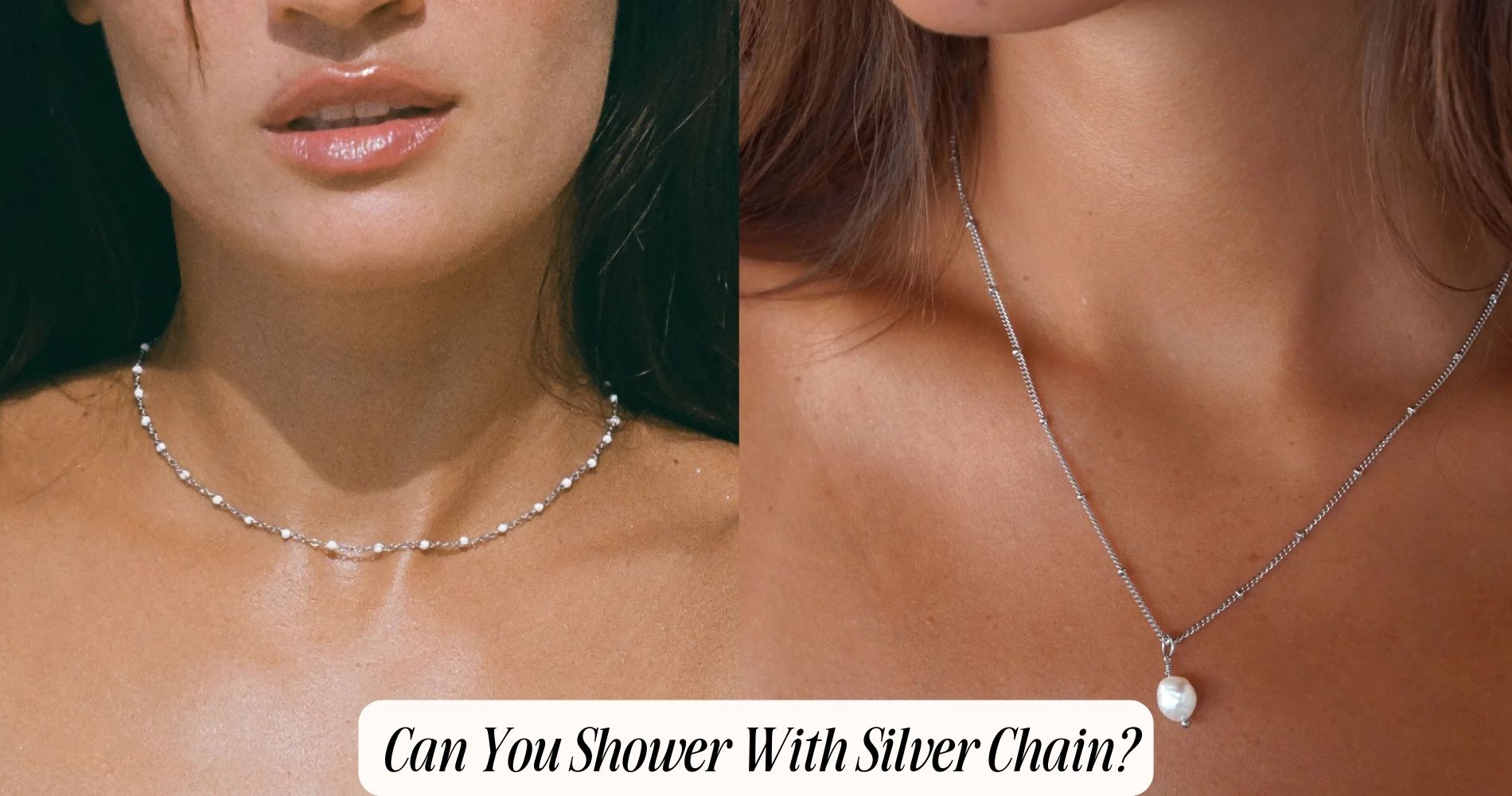
Can You Shower With Silver Chain?
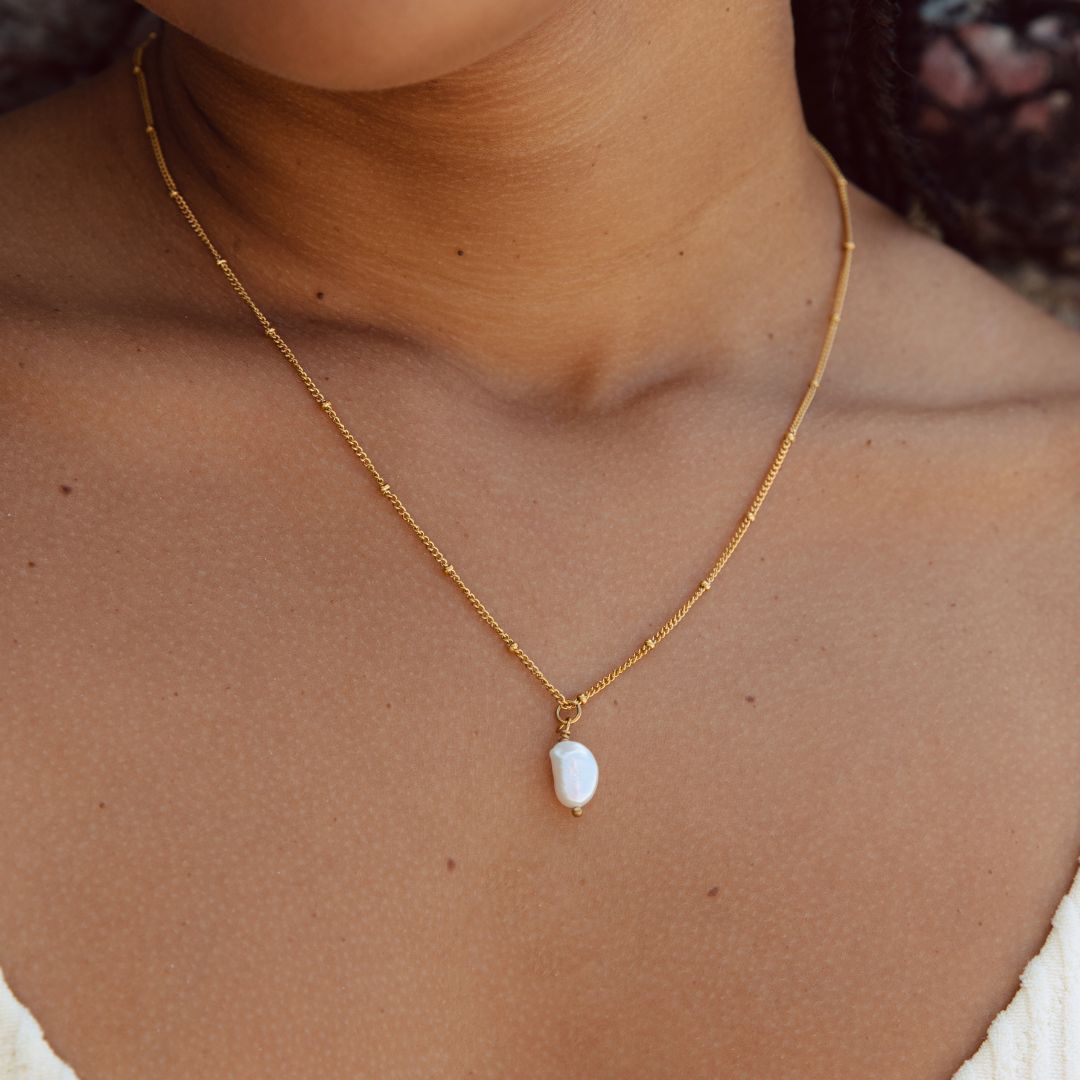
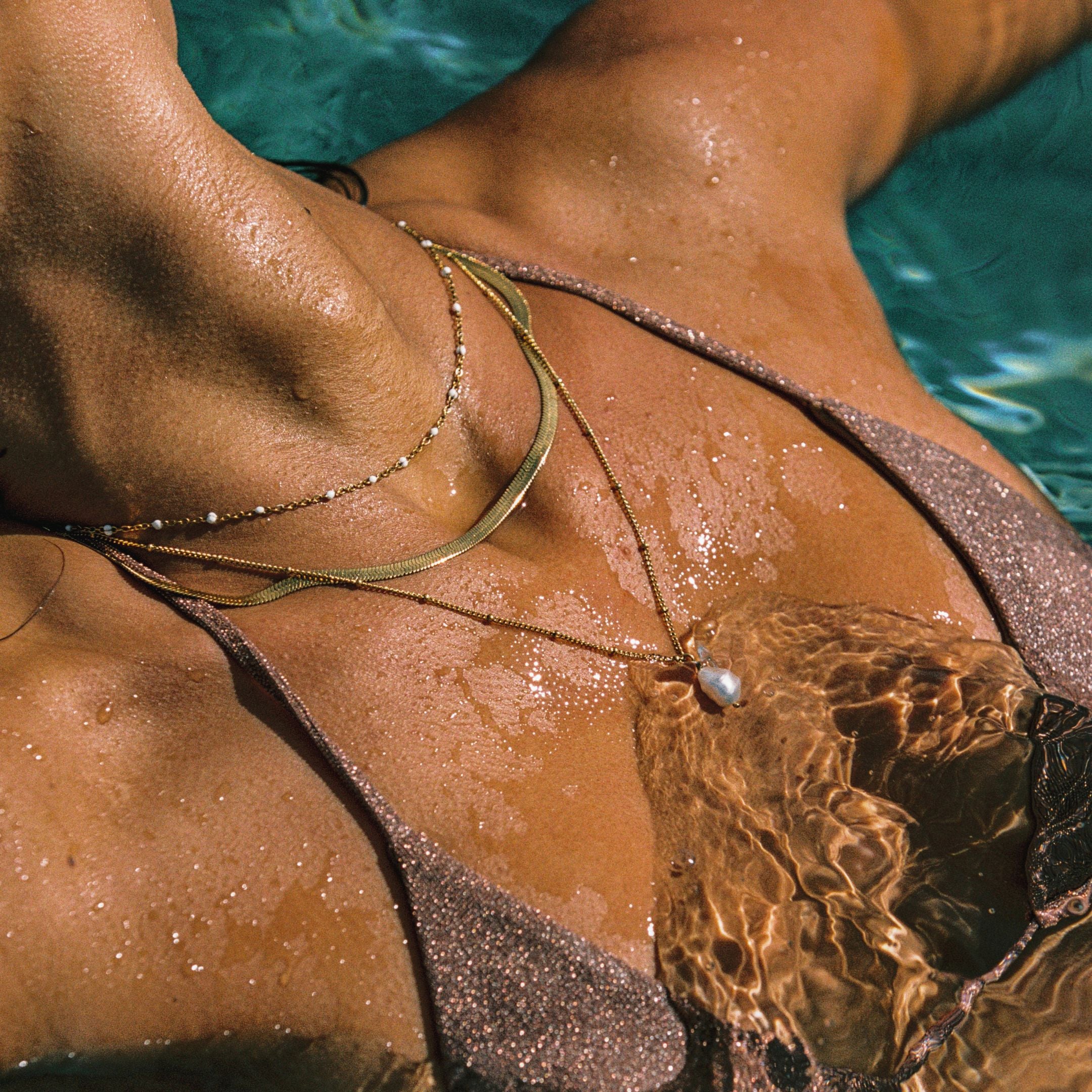
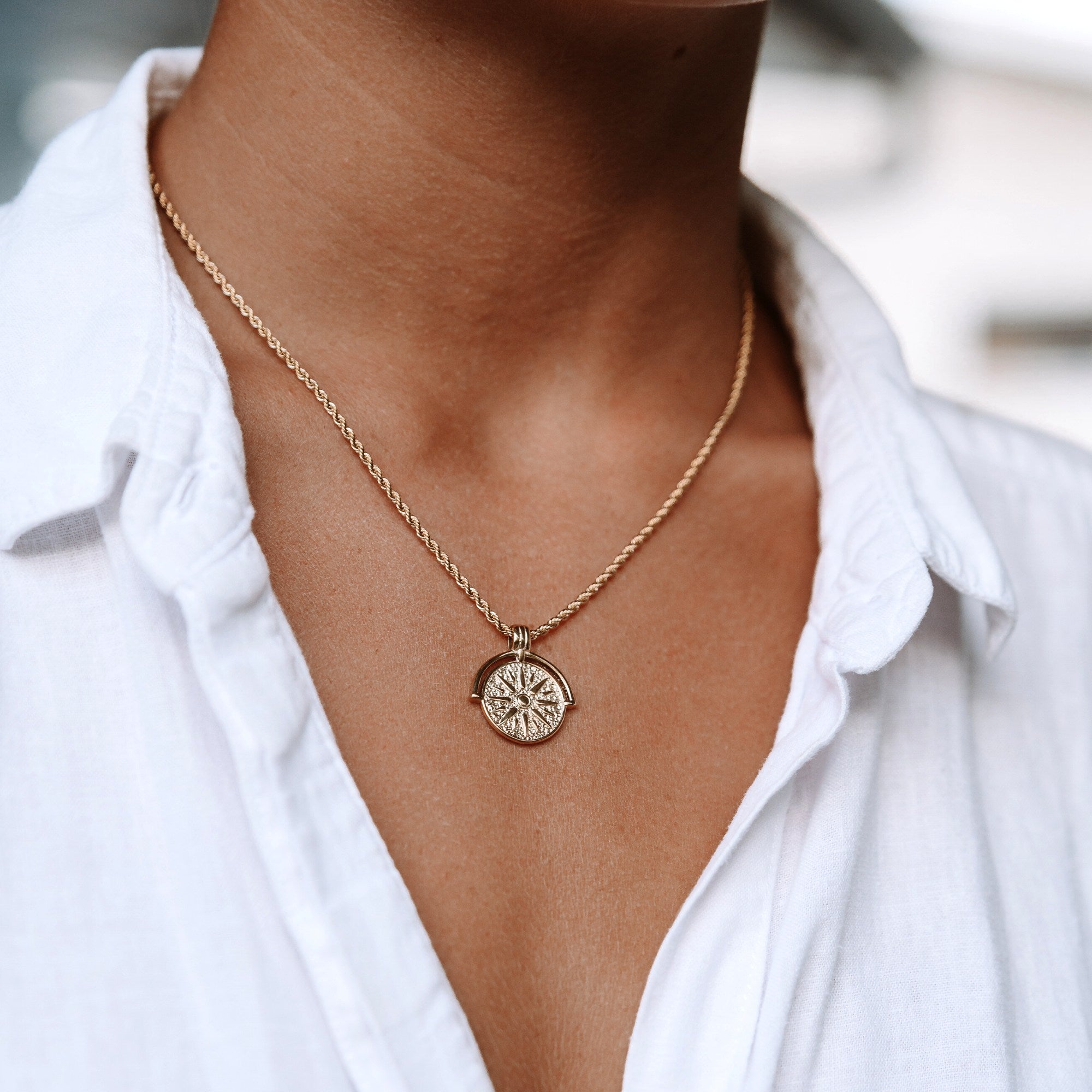
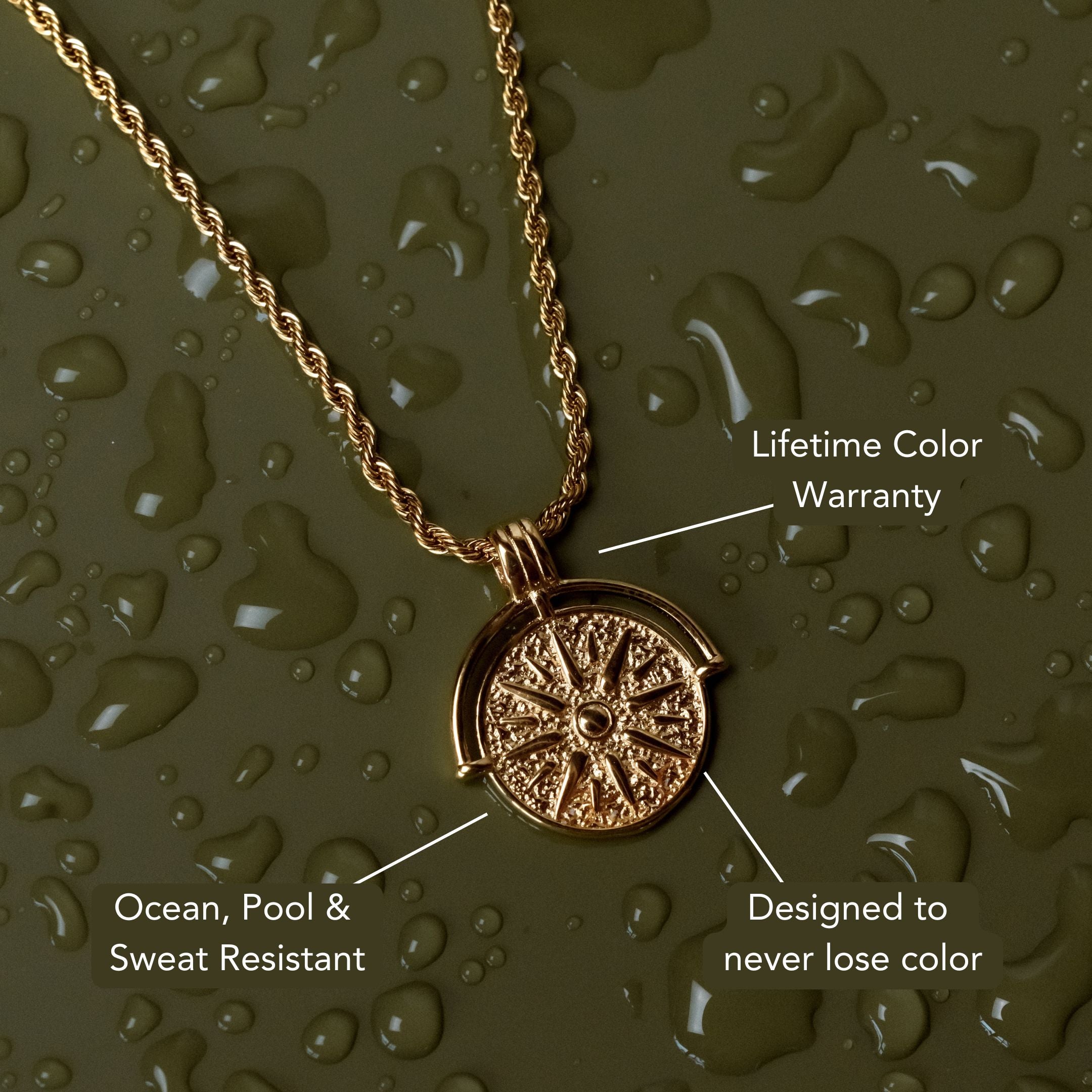
Can you shower with silver chain? You can usually shower with a sterling silver chain, but don’t treat it like waterproof jewelry—soap, hard water minerals, and chlorine speed tarnish and can pit low-purity alloys or weaken soldered links. For low-maintenance wear, many people opt for pieces from Atolea’s Silver Waterproof Jewelry collection. Rinse and dry the chain thoroughly after exposure, check clasps and jump rings for wear, and avoid plated, hollow, or fragile styles in the shower. Store the dry chain in an anti-tarnish pouch and follow simple care steps below to keep it looking its best.
Can You Shower With a Silver Chain? Quick Answer
You can usually shower with a sterling silver chain, but it’s not ideal for long-term care: soap, shampoo, chlorine, and hard water speed tarnishing and can dull finishes or weaken soldered links over time.
So wear your chain in the shower only occasionally and rinse and dry it thoroughly afterward. If you choose to shower with it, check clasps and soldered joints regularly for signs of stress; moisture and chemical exposure incrementally reduce chain durability.
After showering, pat the chain dry with a soft cloth, open any hollow areas to expel trapped water, and store it in an anti-tarnish pouch.
Routine silver maintenance—periodic gentle polishing and avoiding prolonged chemical exposure—extends serviceable life and preserves appearance without unnecessary risk.

How Do Shower Water, Soap, and Chlorine Affect Silver?
Although plain water won’t immediately harm sterling silver, minerals in hard water, residues from soap and shampoo, and chlorine in treated water all speed tarnish and can leave a dull film on chains and pendants.
You’ll notice the silver alloy reacts differently depending on water chemistry: sulfides and sulfur-containing compounds in some soaps accelerate darkening, while calcium and magnesium in hard water deposit a cloudy layer.
Chlorine is more aggressive; it can corrode plated finishes and pit low-purity silver alloys over time. Soap scum traps airborne sulfur and prevents evaporation, prolonging contact.
Rinse thoroughly after exposure and dry with a soft cloth to remove residue. For routine care, limit soap contact and avoid prolonged immersion to preserve shine and structural integrity.
Which Silver Chains Should You Remove Before Showering?
If your goal is to keep silver chains looking their best, remove any pieces that are plated, hollow, low‑purity (below .925), or have glued settings before showering.
Check the clasp and jump rings for thin wire or visible seams; those are common weak points on delicate silver chain types. Avoid wearing chains with mixed chain materials—base metal cores, vermeil overlays, or significant non‑silver solder joints—since moisture and soap accelerate failure.
Lightweight rolo, cable, and snake styles made from thin wire deserve extra caution, as do costume pieces labeled “silver tone.” Fine chains with tiny stones set in glue should be removed to prevent loosening.
If a chain shows green discoloration, flaking plating, or a loose link, don’t wear it in the shower.

How Can You Protect a Silver Chain While Showering?
How can you keep a silver chain safe while you shower?
Plan brief, consistent chain maintenance: remove jewelry when possible, or secure it in a sealed plastic bag to prevent water and soap contact. If you must wear the chain, fasten the clasp tightly and tuck the pendant under clothing to reduce exposure.
After showering, dry the chain immediately with a soft, lint-free cloth, paying attention to links and the clasp where moisture hides. Consider professional-grade protective coatings applied by a jeweler; these thin barriers can reduce direct water and chemical contact without altering appearance.
Avoid DIY coatings that trap moisture. Store the dry chain in an airtight pouch with anti-tarnish strips.
These steps minimize corrosion and extend wearability.
How Do You Fix Tarnish, Damage, or Skin Reactions on Silver?
When tarnish, damage, or skin reactions appear, act promptly to prevent further deterioration and discomfort.
First, assess: check for deep scratches, missing links, or persistent discoloration.
For surface tarnish, use proven tarnish removal techniques: a soft cloth with mild dish soap, or a paste of baking soda and water applied gently with a soft toothbrush, then rinse and dry thoroughly.
For heavier tarnish, use a commercial silver polish per instructions, avoiding abrasive pads.
Repair bent or broken links promptly; micro-soldering by a jeweler restores strength.
For skin irritation, stop wearing the piece and try skin irritation solutions: cleanse affected skin, apply a soothing hypoallergenic ointment, and test for nickel or alloy sensitivity.
When in doubt, consult a professional jeweler or dermatologist.

Frequently Asked Questions
Does Silver Jewelry Lose Value From Shower Exposure?
Yes — shower exposure can reduce silver value over time; water, soap, and minerals speed tarnish and wear. You should prioritize jewelry maintenance: rinse, dry, avoid chemicals, and polish periodically to preserve appearance and resale value.
Can Silver Chains Be Safely Worn in Hot Tubs?
You shouldn’t wear a silver chain in hot tubs; chemicals and heat accelerate tarnish and corrosion. For silver chain care, remove jewelry before hot tub maintenance, rinse promptly if exposed, and store dry to preserve finish and value.
Do Scented Soaps Cause Silver to Tarnish Faster?
Yes — scented soaps can speed tarnish because scented soap ingredients like sulfates, fragrances, and oils react with silver; you should rinse, dry, and store properly, use anti-tarnish pouches, and follow silver tarnish prevention steps.
Will Water Hardness Affect Silver Chain Longevity?
Yes — hard water can speed tarnish and mineral buildup, so you’ll need stricter chain maintenance: rinse with distilled water, dry thoroughly, occasionally polish, and use mild cleaners to preserve water quality and silver longevity.
Are Silver-Plated Chains Repairable After Corrosion?
Yes — you can often restore silver-plated chains after corrosion. You’ll need corrosion prevention measures, careful cleaning, re-plating or touch-up, and professional chain restoration for deep damage; follow precise steps to preserve links and finish.
Conclusion
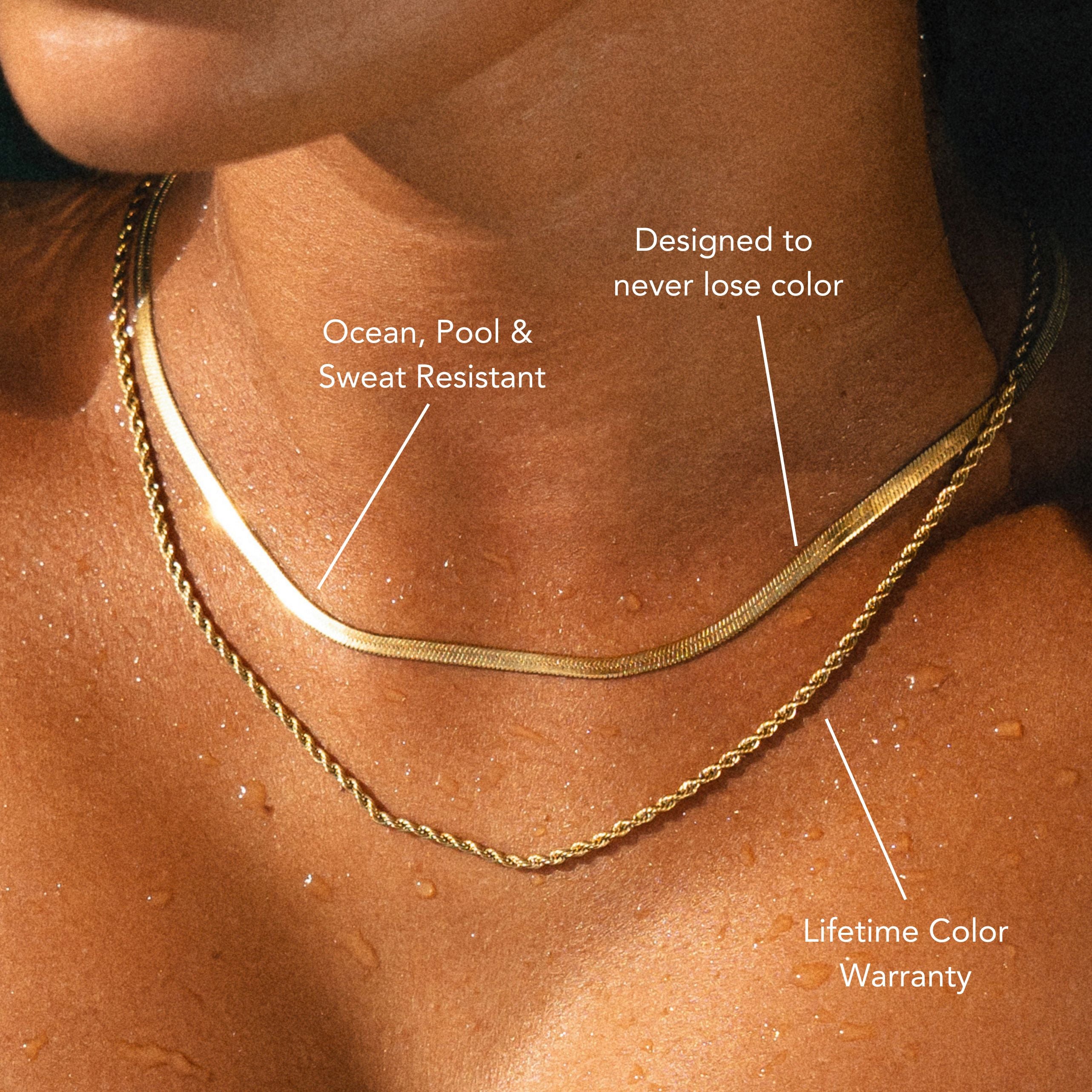
You can usually shower with a simple sterling silver chain, but water, soap, and chlorine speed tarnish and can weaken delicate links or plated pieces. Remove chains with thin links, hollow construction, or heavy plating, and take off any pieces with porous gemstones or recent repairs. To protect a chain, rinse, pat dry, and polish it after showering, or wear a waterproof alternative. If tarnish, damage, or irritation appears, clean gently or see a jeweler promptly.





コメントを書く
このサイトはhCaptchaによって保護されており、hCaptchaプライバシーポリシーおよび利用規約が適用されます。