

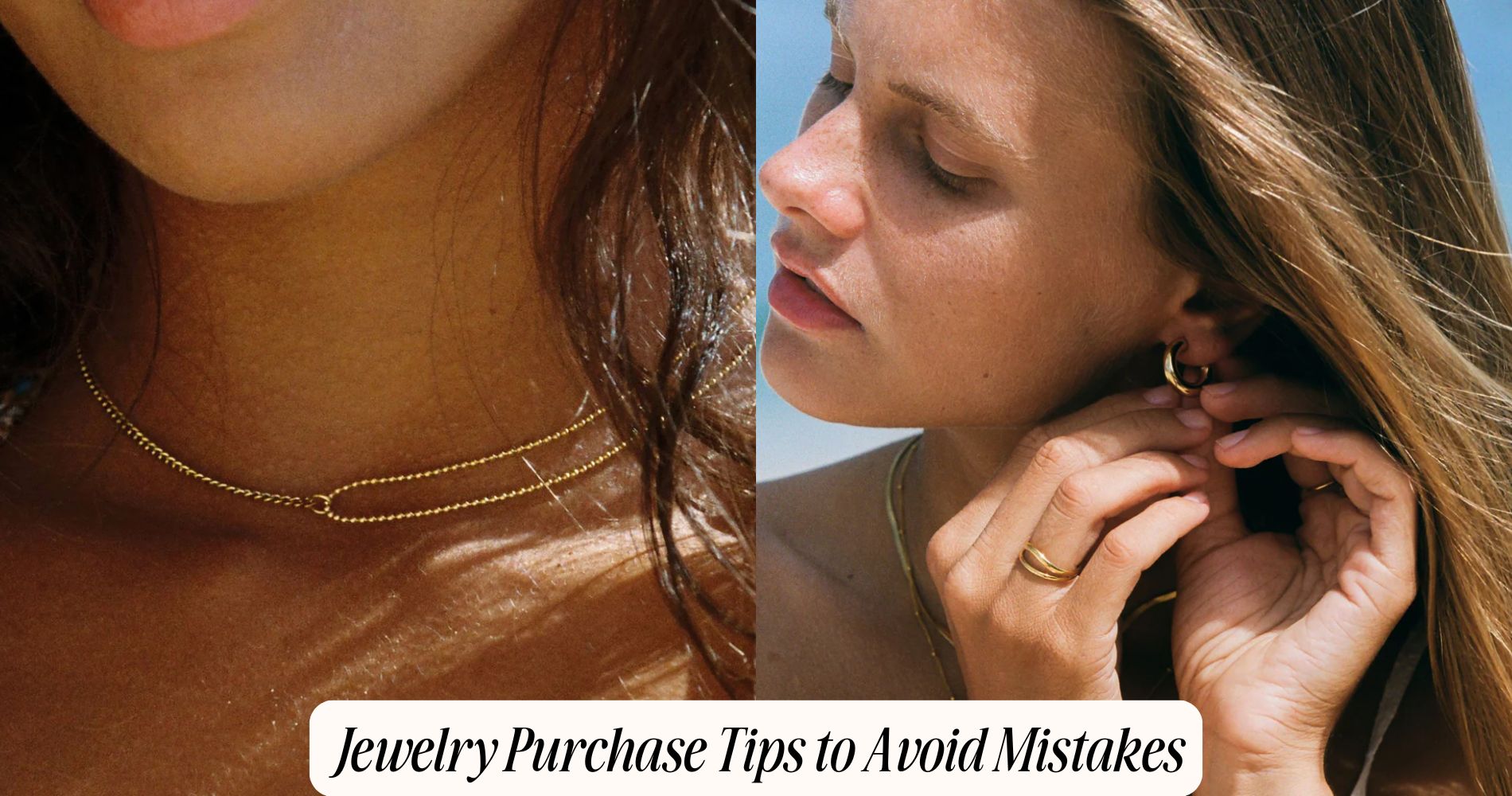
Jewelry Purchase Tips to Avoid Mistakes
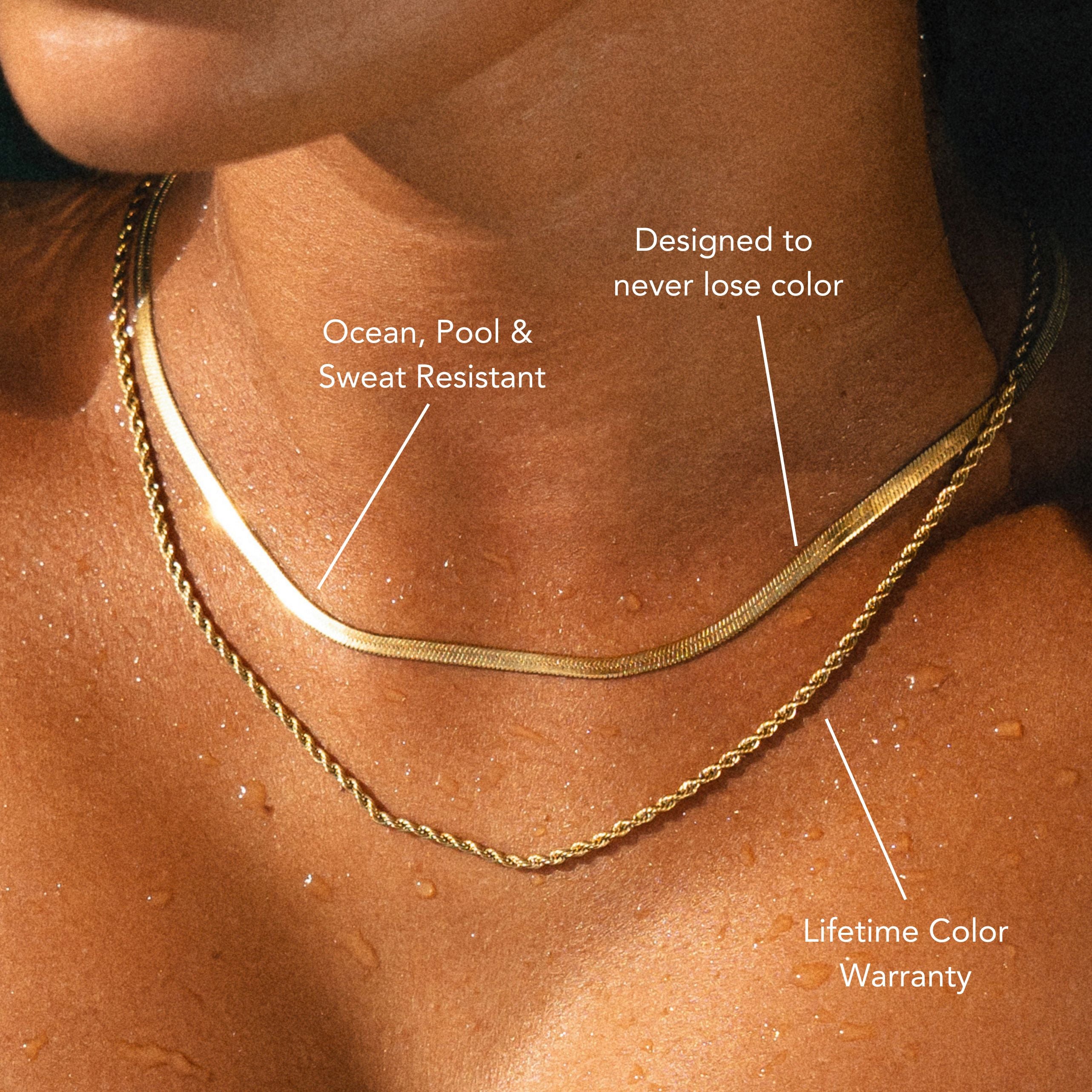
Use these jewelry purchase tips to buy with confidence—start by setting a firm budget and defining non-negotiables like metal purity and proper certification. Match each piece to your daily wear habits and the level of maintenance you’re comfortable with. Verify gemstones using the Four Cs, inspect settings and soldering for long-term durability, and always confirm return policies, warranties, and insurance options. Avoid high-pressure sales tactics, request independent appraisals and serial documentation, and prioritize corrosion-resistant alloys for active lifestyles. For low-maintenance styles designed to stay bright longer, explore our Tarnish-Free Jewelry collection—then continue with practical steps to protect your investment.
Set a Realistic Jewelry Budget
Start by determining a firm spending range based on your finances and the intended use of the piece; this keeps choices objective and prevents emotional overspending.
You’ll quantify available funds, allocate percentages for principal cost versus taxes and insurance, and set upper and lower thresholds.
Apply jewelry budgeting methods: fixed-limit, percentage-of-income, or goal-based allocation, then document the chosen method.
Conduct a structured cost evaluation: compare per-carat or per-gram prices, factor in maker’s premium, certification, and expected maintenance.
Use spreadsheets to model scenarios and sensitivity to market shifts.
Record nonnegotiables (metal purity, certification) and optional features.
You’ll conclude with a definitive purchase ceiling and a contingency margin to prevent impulse exceedance.

Match Jewelry to Your Lifestyle and Use
Match jewelry selection to the activities, wardrobe, and maintenance tolerance you actually have: quantify daily wear patterns (hours worn, exposure to water, chemicals, impact risk) and align metal alloys, settings, and gemstone hardness accordingly.
You should assess lifestyle considerations objectively: if you spend eight+ hours outdoors or in wet conditions, choose corrosion-resistant alloys (platinum, 14–18k gold with proper alloying) and secure bezel or flush settings.
For desk work with occasional social use, prioritize aesthetic jewelry versatility—interchangeable chains, removable pendants, and modest stone hardness (6.5–7.5+ Mohs) are acceptable.
If you expect knocks or manual labor, select high-hardness gems (sapphire, spinel), low-profile mounts, and thick shanks.
Consider maintenance time: opt for pieces that tolerate your cleaning schedule and repair access.
Quick Buying Checklist: 8 Things to Check First
Before you buy, run through eight objective checks that quickly reveal whether a piece suits your needs:
- measure fit and comfort;
- verify dimensions and weight against use cases;
- confirm gemstone type, carat weight, and certification;
- inspect cut, clarity, and color grades;
- assess setting security and prong integrity;
- check clasp function and closure reliability;
- evaluate maintenance requirements and cleaning procedures;
- review warranty, return policy, and provenance.
Prioritize compatibility with your daily activities and any planned gift occasions.
Avoid impulse buys based on trendy styles alone; record serial numbers, receipts, and certification copies.
Use a loupe or magnified photo to confirm described conditions.
If any check fails or documentation is absent, delay purchase until issues are resolved or clarified.

Metals Explained: Gold, Platinum, and Practical Alternatives
Choose the right metal by weighing durability, density, hypoallergenic properties, and maintenance requirements against cost and appearance.
You’ll compare gold purity grades (24K, 18K, 14K) for softness, color alloys, and wear resistance; higher karats mean more pure gold but reduced hardness and greater surface abrasion.
Assess platinum benefits: superior density, scratch resistance, and hypoallergenic nature that suit daily wear and secure settings despite higher price and potential patina.
Consider practical alternatives: palladium for similar density with lower cost, stainless steel for durability and affordability, and titanium for extreme strength and lightness but challenging resizing.
Match metal mechanical properties to use case—ring, chain, prong—and factor in long‑term maintenance, repairability, and resale considerations.
Evaluate Diamonds & Gemstones: Practical Four‑Cs Checks
When you evaluate diamonds and colored gemstones, focus on the Four Cs—cut, color, clarity, and carat weight—for objective, practical checks that predict appearance and durability; inspect cut proportions and symmetry first, as they control light performance, then assess color against a consistent neutral background, grade clarity by noting inclusions' size and location relative to the table and setting, and verify carat weight while considering how stone dimensions and mounting affect perceived size.
You should check pavilion and crown angles with a loupe or scope, confirm facet junction quality, and compare gemstone color to calibrated references.
For diamond clarity, identify inclusion type and whether it’s obscured by facets or the setting. Measure dimensions and note how depth percentage alters face-up spread.
Certifications, Appraisals, and Verifying Authenticity
While certifications, independent appraisals, and laboratory reports each serve different roles, you should treat them as complementary verification tools that together establish a gemstone or diamond’s identity, quality, and market value.
You’ll review certification types (GIA, AGS, EGL, and ISO-accredited labs) to confirm grading methodology, scope, and report numbers. Request original lab reports and verify serials online.
Commission an independent appraisal for replacement value, insurance, and appraisal importance in provenance documentation. Make sure appraisers are ASA, NGAA, or CIBJO-affiliated and provide method statements, instruments used, and condition notes.
For colored stones, require origin and treatment disclosure. Cross-check weight, dimensions, and inclusions between report and physical item. If discrepancies appear, withhold purchase until resolved or obtain a second independent laboratory opinion.

Spot Poor Craftsmanship (And When to Walk Away)
Although a gemstone’s grading and certification tell you about its intrinsic value, the piece’s construction determines durability and wearable safety, so you should inspect settings, joins, and finishes before committing to a purchase.
Check prongs for even tension and full seat against the girdle; loose, asymmetrical, or filed prongs are primary craftsmanship indicators of potential stone loss.
Examine solder joints under magnification for excess flux, cold joins, or porosity that indicate rushed work.
Assess clasps and hinges for repeatable engagement and minimal play.
Review polish and plating for uniform thickness and absence of tooling marks or pitting.
Use a consistent quality assessment checklist and refuse pieces showing structural defects, inconsistent workmanship, or shortcuts that compromise function or future repairability.
Spot Pushy Sales Tactics : What to Say and Do
How do you recognize pressure tactics quickly and respond without escalating? Identify time-based urgency, repeated scarcity claims, comparative degradation of alternatives, and scripted compliments; these are core indicators of pushy sales.
Maintain control by setting explicit parameters: state budget, material, and certification requirements. Use concise, firm phrases as effective responses: “I’ll compare options,” “I need time to verify certifications,” or “I’m not comfortable proceeding today.”
Employ a neutral exit script: “Thank you, I’ll follow up if interested,” then leave or pause interaction. Document verbal promises and request written terms before any payment.
If pressure continues, escalate by requesting a manager or ending the conversation. These tactics reduce impulse decisions and preserve objective evaluation of quality, price, and authenticity.
Jewelry Returns, Warranties, and Insurance Checklist
Before you buy, get clear written terms on returns, warranties, and insurance so you can evaluate risk, cost, and recourse objectively.
You should verify return policies: time window, condition requirements, restocking fees, and proof-of-purchase standards.
Document warranty coverage: duration, components covered (stone, setting, finish), exclusions, and authorized repair channels.
Compare insurance options: homeowner/renter endorsements versus standalone jewelry policies, coverage limits, deductibles, and replacement-vs-cash settlement.
Ask for written claim procedures detailing required documentation, appraisal age limits, repair vs. replacement criteria, and expected timelines.
Retain receipts, appraisals, serial numbers, and photos to support claims.
Before finalizing a purchase, run a side-by-side matrix of return policies, warranty coverage, insurance options, and claim procedures to quantify total ownership risk and cost.

Frequently Asked Questions
How Do I Care for Heirloom Jewelry With Fragile Settings?
You should handle heirloom jewelry gently: use soft cleaning techniques (microfiber, mild detergent, ultrasonic only if safe), inspect prongs regularly, secure stones, and adopt compartmentalized storage solutions with padding and humidity control to prevent stress and corrosion.
Can I Insure Costume or Fashion Jewelry Affordably?
Yes — you can insure costume jewelry; evaluate costume jewelry insurance through renters/homeowners policy riders, scheduled personal property, or specialty insurers. Compare affordable coverage options, deductibles, and appraisals to guarantee appropriate valuation and claim acceptance.
What Are Ethical Sourcing Labels I Should Look For?
Look for ethical certifications like Fairtrade Gold, Responsible Jewellery Council, and Kimberley Process; they verify ethical certifications and promote sustainable practices. You’ll prioritize traceability, worker rights, minimal environmental impact, and transparent supply-chain auditing.
How Should I Store Jewelry to Prevent Tarnish Long-Term?
Store jewelry in sealed jewelry containers with anti-tarnish inserts, separating pieces to avoid abrasion. Use silica gel or active humidity control systems, maintain consistent low humidity, and avoid sunlight or chemical exposure to prevent long-term tarnish.
When Is It Worth Upgrading a Sentimental Gemstone?
Upgrade a sentimental gemstone when sentimental value remains but gemstone quality compromises durability or aesthetics; you’ll choose preservation or replacement after appraisal confirms irreversible damage, poor structural integrity, or when improved settings restore function without losing provenance.
Conclusion
You’ve learned practical frameworks to set a realistic budget, match pieces to daily use, inspect metals and gemstones, verify certifications, and identify poor craftsmanship or aggressive sales tactics. Apply the quick eight‑point checklist at purchase, require written warranties or return policies, and obtain an appraisal plus insurance for high‑value items. Make decisions based on documented specifications and objective quality criteria to minimize buyer’s remorse and protect your investment over time.






コメントを書く
このサイトはhCaptchaによって保護されており、hCaptchaプライバシーポリシーおよび利用規約が適用されます。