


What Do You Clean Earrings With: Best Cleaning Guide
Earrings pick up more everyday buildup than almost any other jewelry type: skin oil, hair products, sweat, and dust all settle on and around the post and back with regular wear. What do you clean earrings with for routine upkeep depends on the material, but a handful of simple, mostly household products cover nearly every situation you will encounter. Waterproof Earrings hold up especially well to frequent cleaning, which matters because regular cleaning is the single habit that keeps any earring looking its best. This guide covers the right cleaning product for each earring material, a simple step-by-step routine, how often to clean, and specific guidance for stone-set and pearl earrings that need gentler handling.
What Causes Earrings to Need Cleaning
Before getting into products, it helps to know what you are actually removing, since that determines which cleaning approach works best.
Skin oil and sebum are the most consistent source of buildup. Skin naturally produces oil, and earring posts and backs sit in direct, sustained contact with skin at the earlobe, which means oil accumulates steadily with every wear. Hair products, including dry shampoo, hairspray, and styling products, settle onto earrings simply because of proximity to the hair and scalp during daily activity. Makeup and skincare products applied near the face, including foundation, moisturizer, and sunscreen, transfer to earrings through incidental contact. Dust and general environmental residue settle on any jewelry left out or worn regularly, accumulating gradually even without direct skin contact.
None of this buildup is unusual or a sign of poor hygiene. It is a normal consequence of wearing jewelry against skin in daily life, and it is fully manageable with a simple, low-effort cleaning routine.

What Do You Clean Earrings With: By Material
Gold and gold-tone earrings (solid gold, gold-filled, PVD gold)
Mild dish soap mixed into warm water is the safest and most effective everyday cleaner for gold and gold-toned earrings. Add a few drops of dish soap to a small bowl of warm water, let the earrings soak for three to five minutes to loosen buildup, then use a soft-bristled toothbrush, a spare unused one works well, to gently brush the post, back, and any grooves or settings. Rinse thoroughly under running water and dry completely with a soft cloth before wearing or storing.
For gold-plated earrings specifically, skip the toothbrush step and use only a soft cloth with the soap solution, since mechanical brushing accelerates plating wear at friction points.
Silver earrings (sterling silver)
The same mild soap and water method works for routine cleaning of sterling silver, but silver benefits from more frequent attention since it tarnishes through simple air exposure in addition to accumulating everyday buildup. For light tarnish, a silver polishing cloth is the most convenient tool: it is pre-treated to lift tarnish with light rubbing and requires no soaking or rinsing. For heavier tarnish, the baking soda and aluminum foil method, a bowl lined with foil, hot water, baking soda, and salt, removes tarnish effectively through an electrochemical reaction, though this method is for solid sterling silver only, not silver-plated pieces.
Stainless steel and PVD-coated stainless steel earrings
Mild dish soap and warm water, applied with a soft toothbrush for the post and back mechanism, handles routine buildup on stainless steel earrings effectively. This material tolerates cleaning well since it does not react chemically the way silver or plated pieces do, making it one of the lowest-maintenance materials to keep clean. Rinse and dry thoroughly, and avoid abrasive scrubbing pads, which can dull the surface finish over time even though the underlying metal is not damaged.

Stone-set earrings
For earrings with hard stones set securely, diamond, sapphire, ruby, cubic zirconia, the mild soap and soft toothbrush method works well, with attention paid to gently brushing around the setting where buildup concentrates. For earrings with softer or more porous stones, opal, turquoise, coral, skip soaking entirely and instead wipe the stone gently with a barely damp soft cloth, since soaking can allow moisture into porous stone structures.
Pearl earrings
Pearls require the gentlest approach of any earring material. Never soak pearls in any cleaning solution. Wipe the pearl surface gently with a soft, slightly damp cloth after each wear to remove skin oil and product residue before it has a chance to settle into the surface. Clean the metal post and back separately using a cloth barely dampened with mild soap solution, taking care to keep moisture away from the pearl itself, particularly at the point where the pearl meets its setting.
Cleaning Products Comparison
| Product | Best For | Avoid On |
|---|---|---|
| Mild dish soap and water | Gold, silver, stainless steel, hard stones | Pearls (soaking), opals, turquoise |
| Soft toothbrush | Gold (solid), silver, stainless steel, hard stone settings | Gold-plated, pearls, soft stones |
| Silver polishing cloth | Sterling silver tarnish | Plated pieces, stones |
| Baking soda and foil method | Heavily tarnished solid sterling silver | Plated, PVD-coated, pearls, stone-set pieces |
| Soft damp cloth only | Pearls, opals, turquoise, gold-plated | Nothing, gentlest option for all materials |
| 70% isopropyl alcohol | Disinfecting steel, titanium, solid gold posts | Pearls, soft stones, prolonged use on plated |
A Simple Weekly Cleaning Routine
For earrings worn regularly, a consistent weekly routine prevents buildup from accumulating to the point where it becomes visible or affects comfort.
Remove the earrings and inspect them under good light to identify the material and any visible buildup, particularly around the post and back mechanism where most residue concentrates. Select the appropriate cleaning method based on the material using the guidance above. Clean gently, working the post and back area most thoroughly since this is the highest-buildup zone on any earring. Rinse if the method involves soap or water, ensuring no residue remains in any grooves or settings. Dry completely with a soft, lint-free cloth before wearing again or placing in storage, since any earring stored while still damp is prone to further buildup or, for reactive metals, accelerated tarnishing.
For earrings worn continuously without daily removal, this weekly routine still applies: simply clean them while wearing them less intensively, or set aside a specific time each week to remove, clean, and let them dry fully before reinserting.

How Often to Clean Earrings
Cleaning frequency depends on how often the earrings are worn and the conditions they are worn through.
For earrings worn daily through normal indoor activity, a weekly clean with mild soap and water is generally sufficient to prevent visible buildup. For earrings worn through active conditions including gym sessions, beach days, and significant sweat exposure, cleaning every few days keeps pace with the faster buildup rate those conditions produce. For earrings worn occasionally, cleaning before each wear and before storage prevents buildup from one wear from sitting on the piece between uses. For pearls specifically, wiping after every single wear is the most important habit, regardless of how frequently the pearls are worn overall, since pearls are more sensitive to prolonged product and oil contact than metal or hard stone earrings.
When to Choose Low-Maintenance Materials
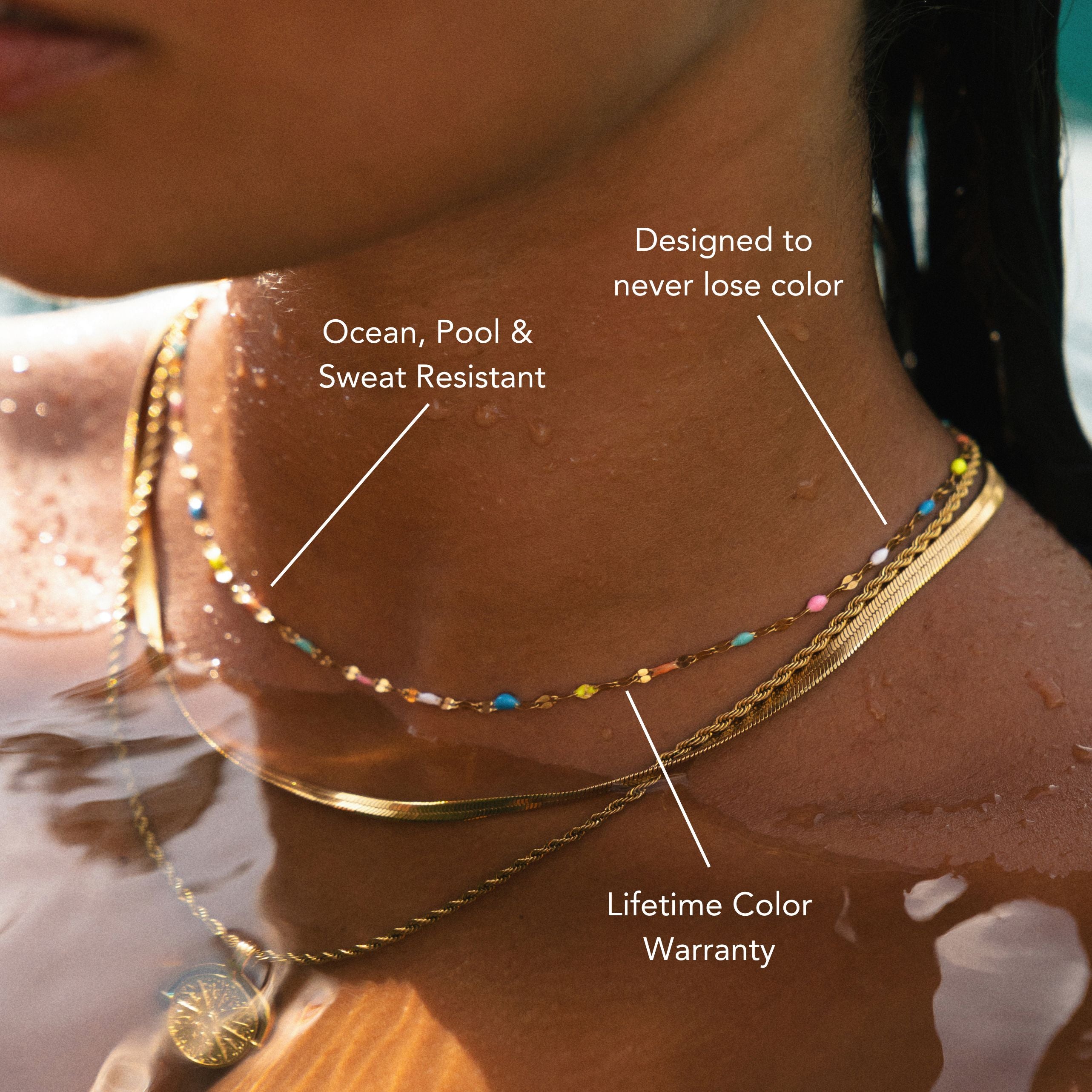
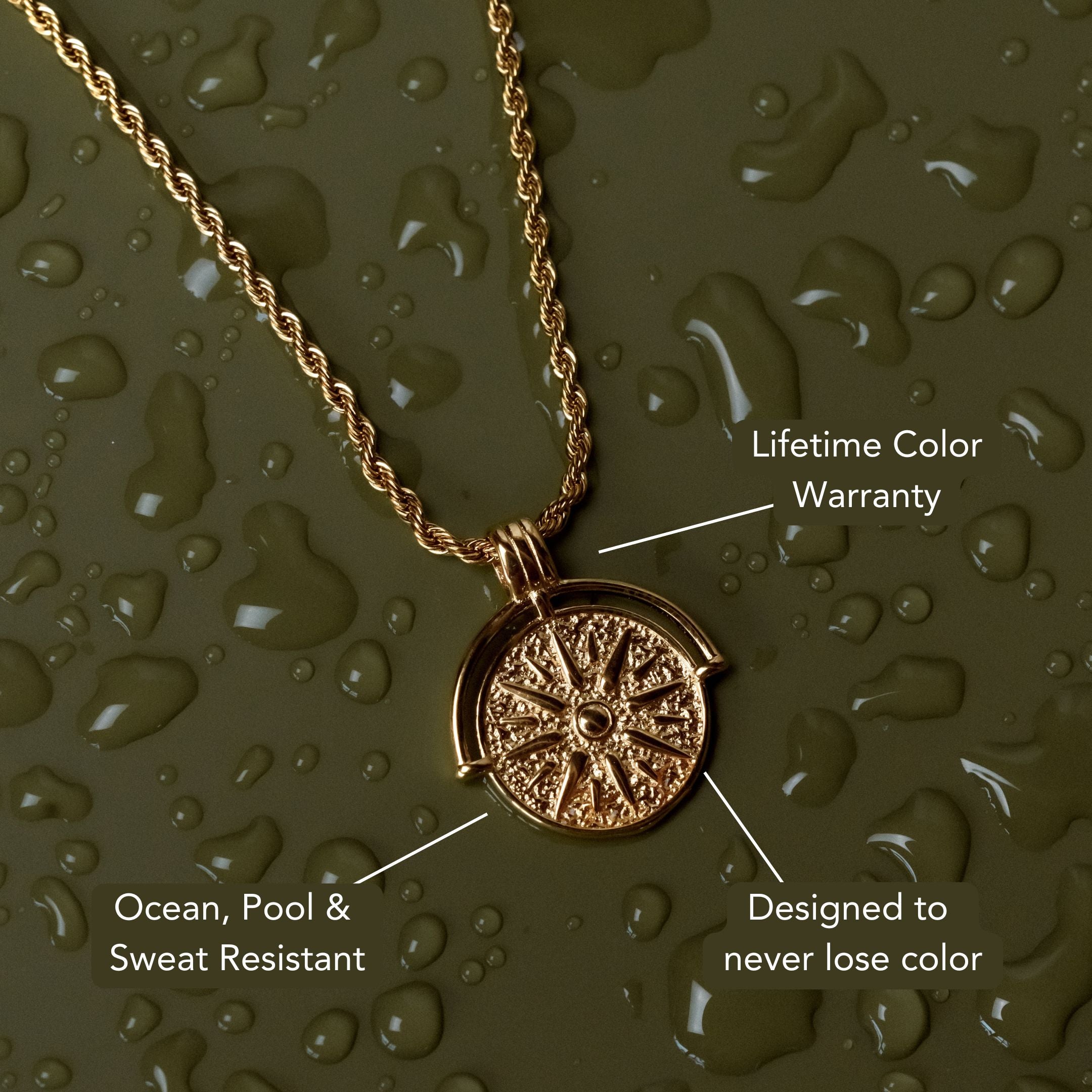
For anyone who wants to minimize how often deliberate cleaning is required, material choice makes a meaningful difference. PVD-coated stainless steel earrings resist the surface reactions that make sterling silver require more frequent tarnish-focused cleaning, and the coating's durability means it tolerates routine soap-and-toothbrush cleaning without the wear concerns that apply to gold-plated pieces. This does not eliminate the need for cleaning altogether, since skin oil and product buildup accumulate on any material through normal wear, but it does remove the tarnish-specific cleaning burden that silver and plated jewelry add on top of routine maintenance. ATOLEA's waterproof earring range is built on PVD-coated 316L stainless steel throughout the post, back, and face, with a lifetime color warranty that holds up through the regular cleaning routine active daily wear calls for.

Frequently Asked Questions
What is the best household product to clean earrings with?
Mild dish soap mixed into warm water is the safest and most versatile household product for cleaning earrings across most materials, including gold, silver, and stainless steel. Apply with a soft cloth or soft toothbrush depending on the material, rinse thoroughly, and dry completely. For pearls and porous stones, skip soaking entirely and use only a soft, barely damp cloth.
Can I use rubbing alcohol to clean my earrings?
70% isopropyl alcohol is effective for disinfecting earring posts made of stainless steel, titanium, or solid gold, applied briefly with a cotton pad. It is not appropriate for pearls, soft or porous stones, or extended use on gold-plated pieces, where it can dry out the plating bond over repeated use. For general everyday cleaning rather than disinfection specifically, mild soap and water is the better default choice.
How do you clean gold earrings without damaging them?
For solid gold, mild dish soap and warm water with gentle brushing from a soft toothbrush removes buildup safely. For gold-plated earrings, skip the toothbrush and use only a soft cloth with the same soap solution, since mechanical brushing accelerates wear at the thin plating layer. Rinse thoroughly and dry completely after cleaning either type.
What should you never use to clean earrings?
Avoid toothpaste, which contains abrasive particles designed for dental enamel and scratches most jewelry surfaces including silver, gold, and PVD coatings. Avoid harsh chemicals like bleach and ammonia, which damage most metals and stone settings. Avoid soaking pearls, opals, or turquoise in any solution, since these porous or organic materials absorb moisture and chemicals in ways that cause lasting damage.
How often should earrings be cleaned?
A weekly clean with mild soap and water suits most earrings worn regularly through everyday indoor activity. Earrings worn through gym sessions, beach days, or heavy sweat exposure benefit from cleaning every few days to keep pace with faster buildup. Pearls should be wiped with a soft cloth after every wear regardless of overall frequency, since they are more sensitive to prolonged product contact than metal or hard stone earrings.
Keeping Earrings Clean With a Simple Routine
What do you clean earrings with comes down to matching a simple product to the specific material: mild dish soap and water for most metals and hard stones, a silver polishing cloth or the baking soda method for sterling silver tarnish, and a soft damp cloth only for pearls and porous stones. A weekly routine, adjusted upward for active wear and pearls specifically, prevents the everyday buildup of skin oil and product residue from ever becoming a visible or uncomfortable problem, keeping every pair looking as good as the day they were put on.






コメントを書く
このサイトはhCaptchaによって保護されており、hCaptchaプライバシーポリシーおよび利用規約が適用されます。