

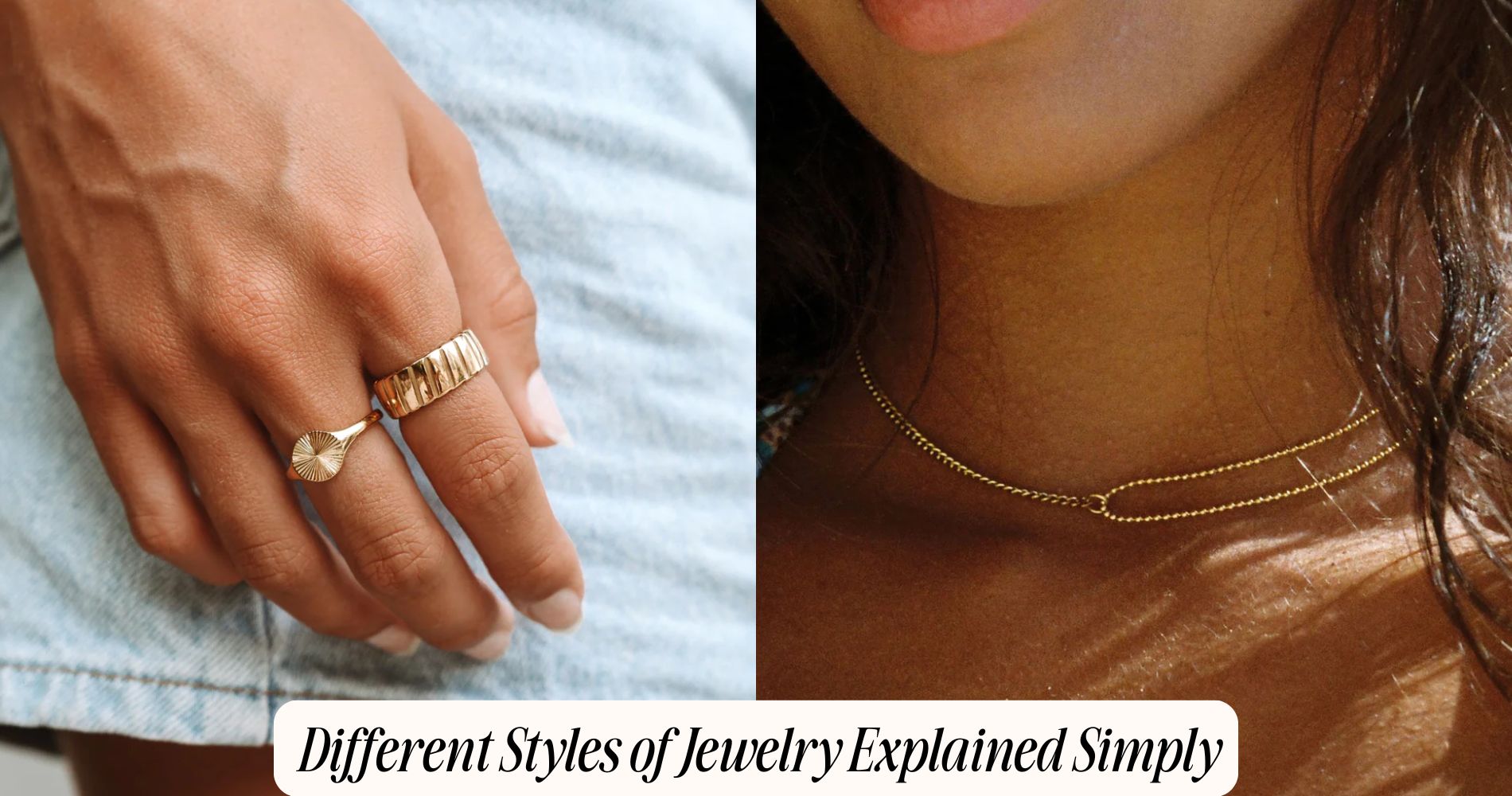
Different Styles of Jewelry Explained Simply
When exploring different styles of jewelry, it helps to understand the design cues that define each look. Classic jewelry is known for clean lines, pearls, and balanced proportions that always feel polished. Minimalist styles stay light, geometric, and quietly luxe, while vintage (1920s–1980s) and antique (100+ years) pieces celebrate patina, rarity, and old-world techniques. Boho and artisanal jewelry leans into handwork, asymmetry, and sustainable materials, while statement pieces go bold with oversized scale, high contrast, and dramatic silhouettes. Modern and geometric designs highlight crisp shapes and structured forms, and personalized or symbolic jewelry centers on initials, birthstones, and meaningful icons. If you want these aesthetics without irritation, Hypoallergenic Jewelry makes it easier to wear any style comfortably. Next, you’ll learn how to match each look to materials, craftsmanship details, and the right occasions.
Classic Style
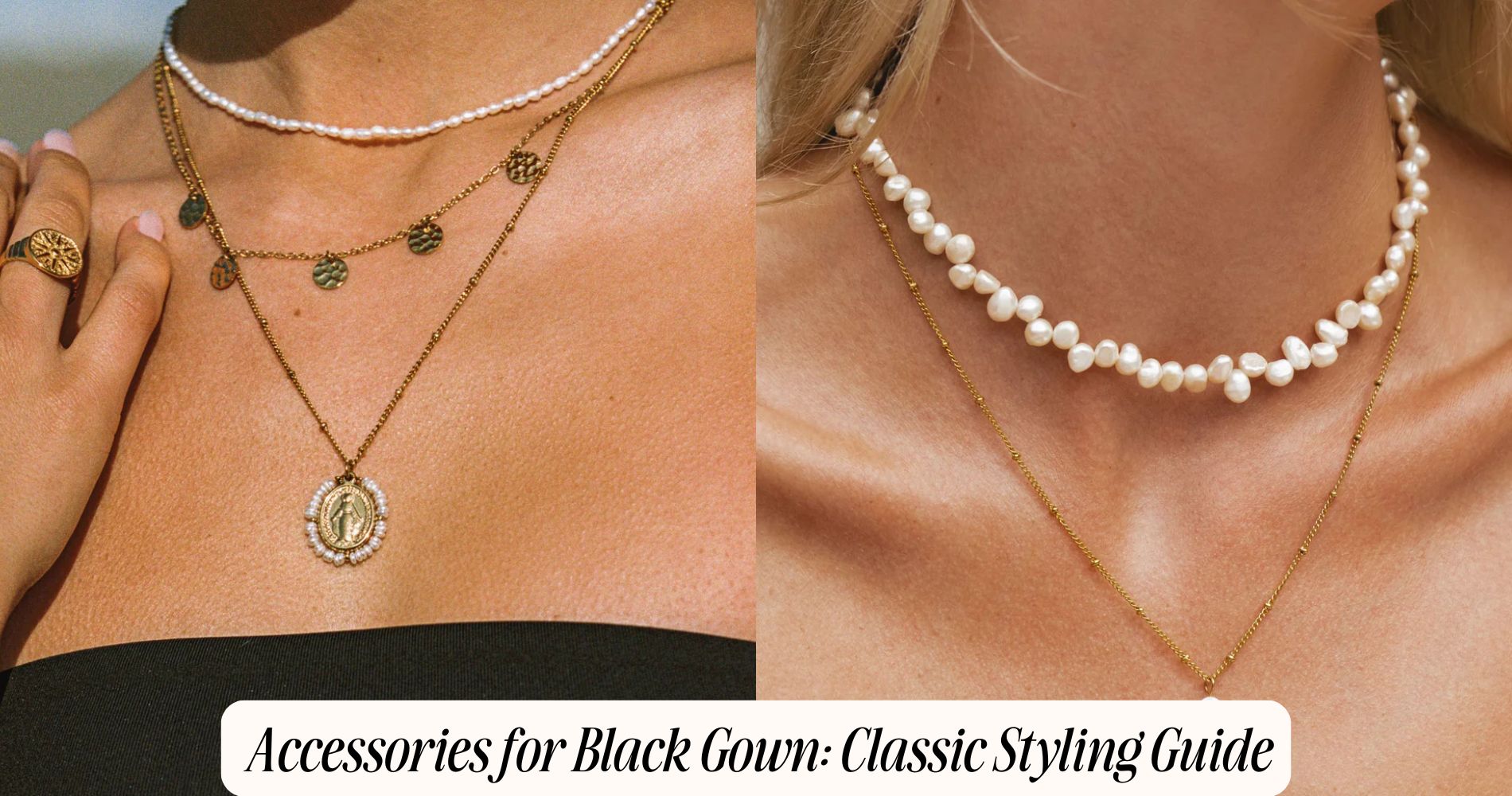
Enduring restraint defines Classic Style: you favor clean lines, balanced proportions, and high-quality materials that outlast trends.
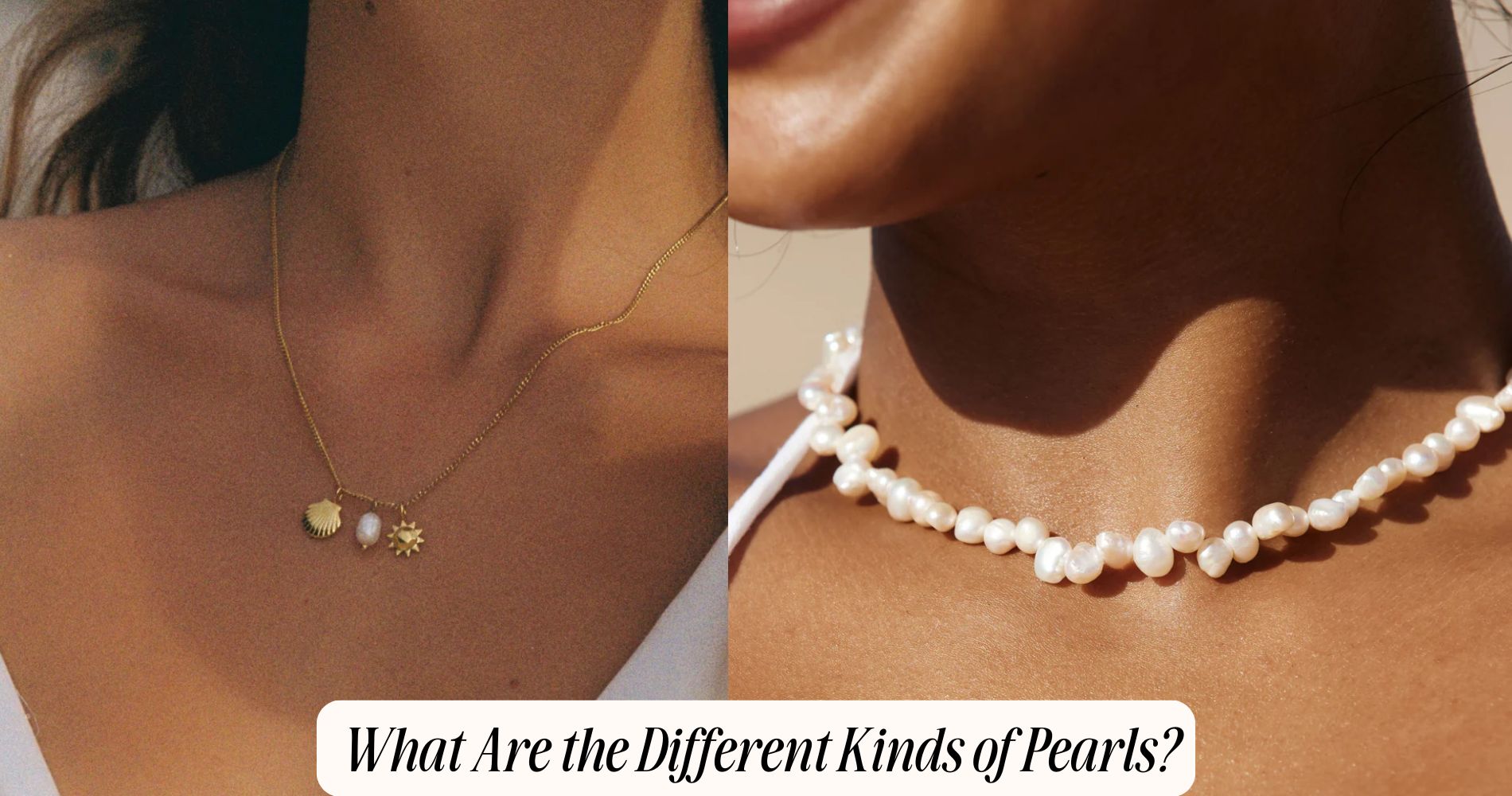
You select pieces for timeless elegance rather than novelty—think luminous pearls, diamond studs, and sleek gold bangles. You value sophisticated simplicity: a single, well-cut gemstone; a precise bezel or prong; symmetry that flatters without dominating.
You assess craftsmanship closely. You seek solid settings, secure clasps, and metals with enduring alloys—18k gold, platinum, or sterling silver with proper hallmarks.
You prefer proportions that harmonize with your features and wardrobe, enabling day-to-evening continuity. Historical references guide you, from Roman signets to Art Deco geometry, yet you keep ornamentation disciplined.
You curate a core set—studs, a pendant, a bracelet, a signet—that layers seamlessly, communicates poise, and ages beautifully.
Minimalist Style
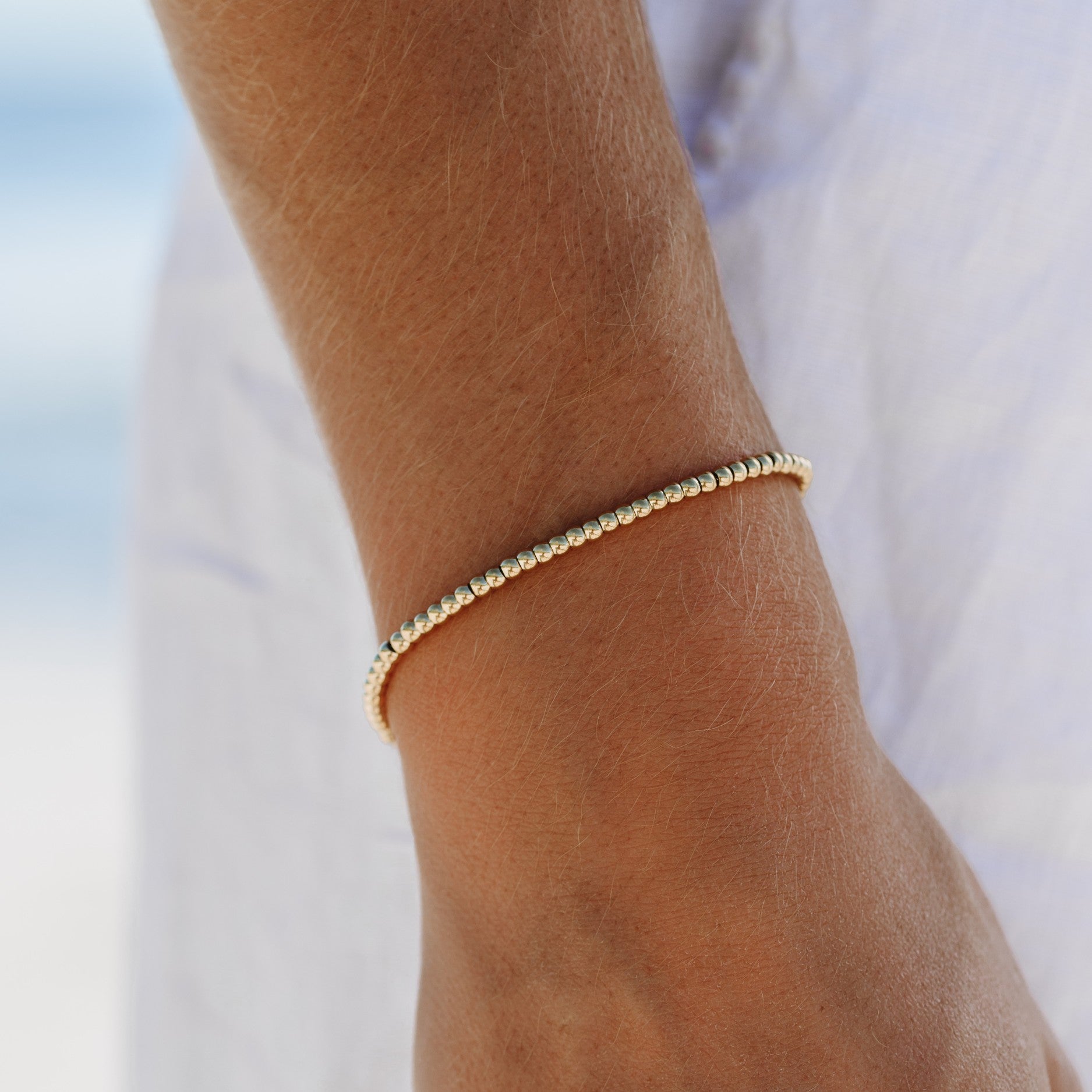
Though you pare jewelry to its essentials, Minimalist Style isn’t austere—it’s intentional. You favor clean lines, balanced proportions, and negative space that lets materials breathe.
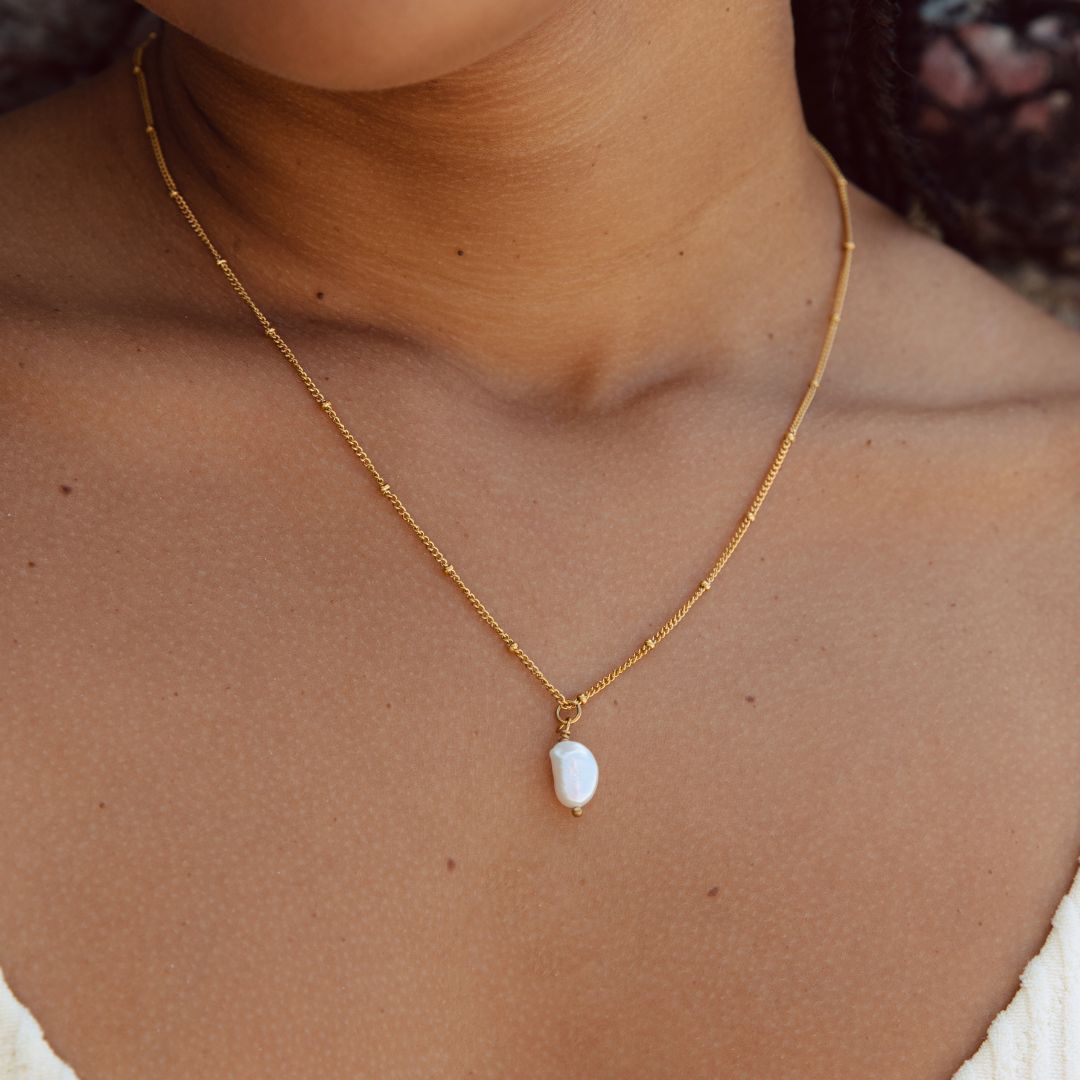
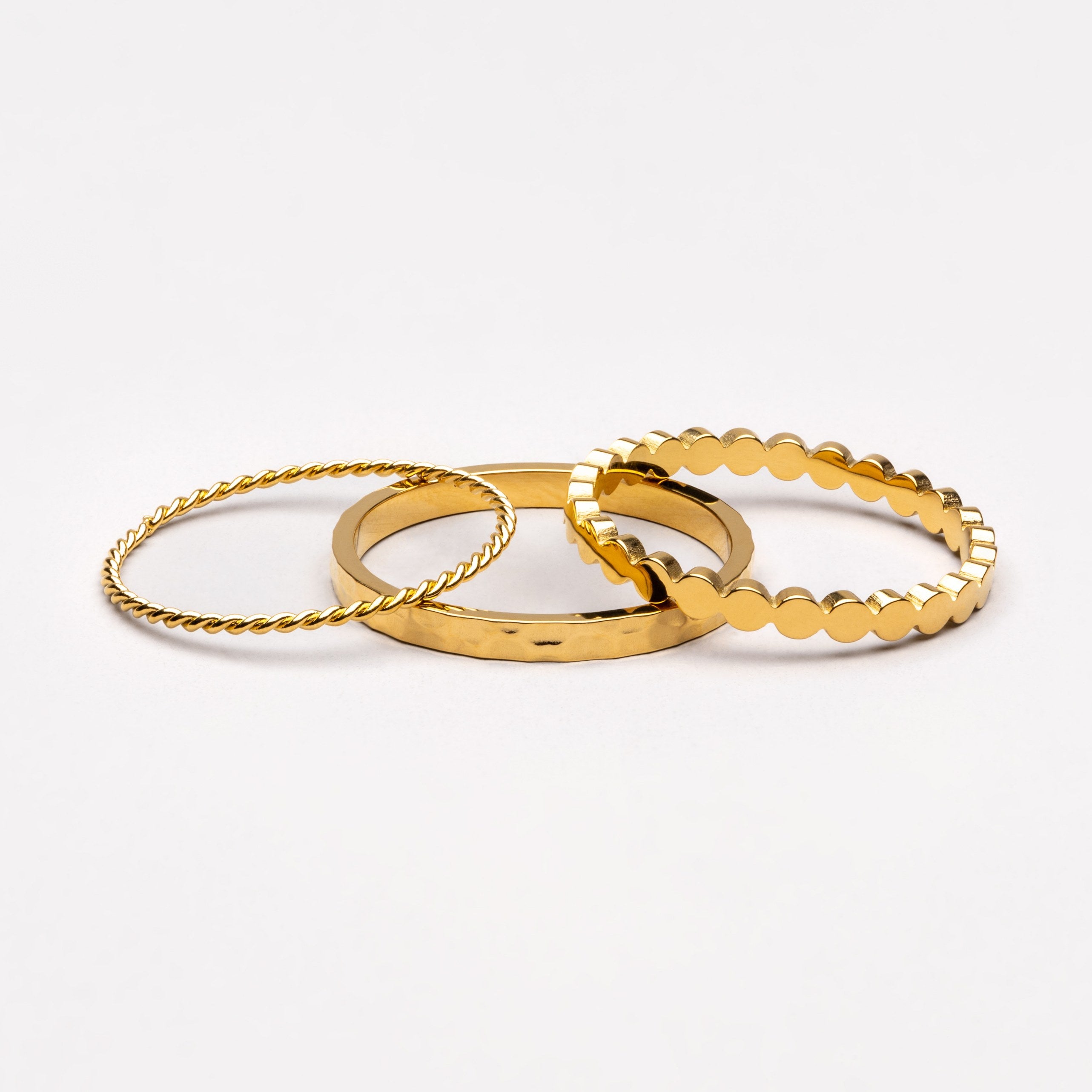
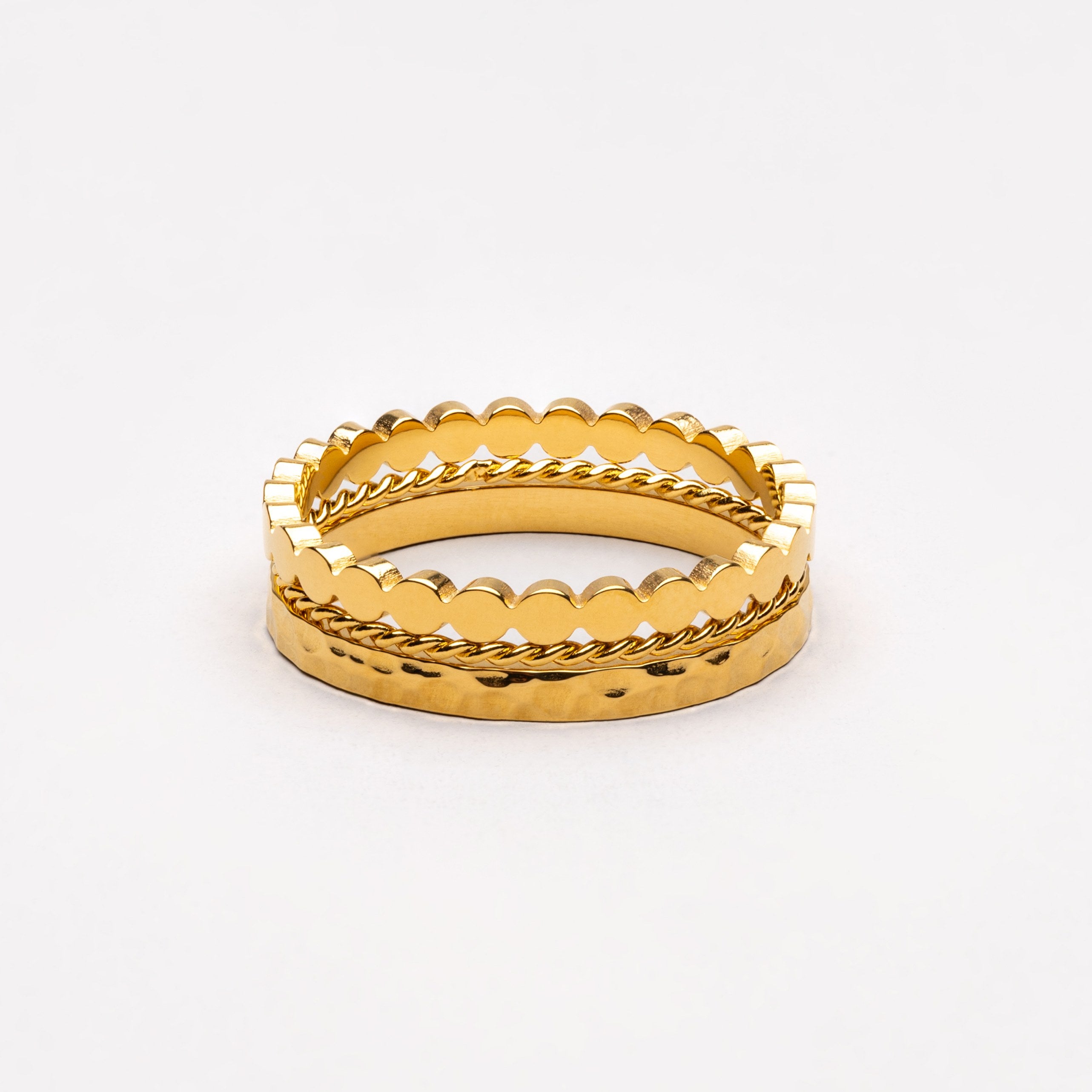
You choose fine-gauge chains, slim bands, and geometric forms because they create simple elegance without visual noise. The effect is understated beauty that aligns with modern design principles: clarity, function, and restraint.
You prioritize quality over quantity. A single luminous stone, a precise bezel, or a brushed metal finish communicates discernment.
You curate pieces that layer lightly, maintaining coherence in scale and silhouette. Metals matter: sterling silver, 14k gold, and platinum highlight craft through surface and weight.
You wear minimalist jewelry to frame, not compete with, your presence—quiet pieces that integrate seamlessly into daily life and formal settings.
Vintage and Antique Style
If minimalist pieces frame your presence, vintage and antique jewelry tells the story around it. You favor patina, provenance, and workmanship that modern lines often streamline away. You’ll read hallmarks, study settings, and note wear patterns, because age reveals authenticity.
Vintage typically spans the 1920s–1980s, while antique denotes 100 years or older. You’ll see vintage materials like Bakelite, seed pearls, rose-cut diamonds, and calibre-cut gems.
Antique techniques—chasing, repoussé, granulation, hand-cut pavé—create texture and depth machines can’t replicate. You assess construction: closed-back foiling, old mine cuts, tube hinges, and C-clasps indicate earlier eras.
To wear it well, balance scale and context. Let a Victorian locket anchor a crisp shirt, or pair Art Deco studs with a tailored blazer. You’re curating history, not costume.

Boho and Artisanal Style
While trends cycle quickly, boho and artisanal jewelry centers on handwork, tactility, and cultural dialogue. You read these pieces through texture and provenance: hammered metals, macramé knots, beadwork, and natural stones that foreground process over polish.
Boho aesthetics favors layered silhouettes, asymmetry, and organic irregularity, inviting you to curate meaning rather than match sets.
You’ll notice artisanal craftsmanship in visible tool marks, small-batch casting, ethical sourcing, and vernacular techniques—filigree, repoussé, loom weaving—that embed regional knowledge.
Materials matter: recycled silver, brass, seed beads, bone, shell, and raw-cut gems communicate sustainability and locality. You navigate authenticity by asking who made the piece, how it was produced, and whether motifs are respectfully attributed.
Ultimately, you select items that honor maker narratives, embrace imperfection, and build a wearable archive of travels, values, and touch.
Statement and Fashion-Forward Style
Handwrought textures and maker narratives give way here to pieces that command the room. You choose statement jewelry to signal confidence, not subtlety.
Scale, contrast, and unexpected materials drive impact: oversized cuffs, architectural collars, chandelier earrings, and cocktail rings that anchor an outfit. You’re curating bold designs that create a focal point, often juxtaposing high-shine finishes with saturated color or striking texture.
Trendsetting pieces typically emerge from runway experiments, celebrity styling, and limited collaborations, then filter into retail with streamlined accessibility.
You balance proportion and context: one dominant piece, restrained companions. You consider visibility across distance, comfort over hours, and the garment’s neckline and silhouette.
Metals may skew polished or plated; stones can be large-format synthetics or vivid enamels. The aim isn’t excess—it’s decisive, memorable presence.
Modern and Geometric Style
Though it borrows from Bauhaus clarity and mid-century minimalism, modern and geometric jewelry prioritizes distilled form over ornament. You’ll notice crisp silhouettes—circles, squares, triangles—organized into balanced compositions that read as deliberate and architectural.
Instead of filigree, you get exacting edges and negative space that lets the structure breathe.
You’ll often choose modern materials: stainless steel, titanium, resin, silicone, powder-coated metals, or engineered ceramics. These substrates support clean lines, resist tarnish, and keep weight low, so scaled pieces remain wearable.
Designers apply geometric patterns systematically—grids, tessellations, and modular units—to produce rhythmic repetition and visual order. Color appears strategically, via enamel blocks or anodized gradients, to underscore proportion rather than decorate it.
When you style these pieces, pair them with streamlined garments to preserve their spatial clarity.

Personalized and Symbolic Style
If modern geometry prized structure and restraint, personalized and symbolic jewelry centers meaning you can wear. You translate biography into metal, stone, and script, selecting forms that anchor memory and identity. You might specify initials engraving on a signet, map coordinates on a pendant, or a date in Roman numerals—each choice calibrates intimacy and legibility.
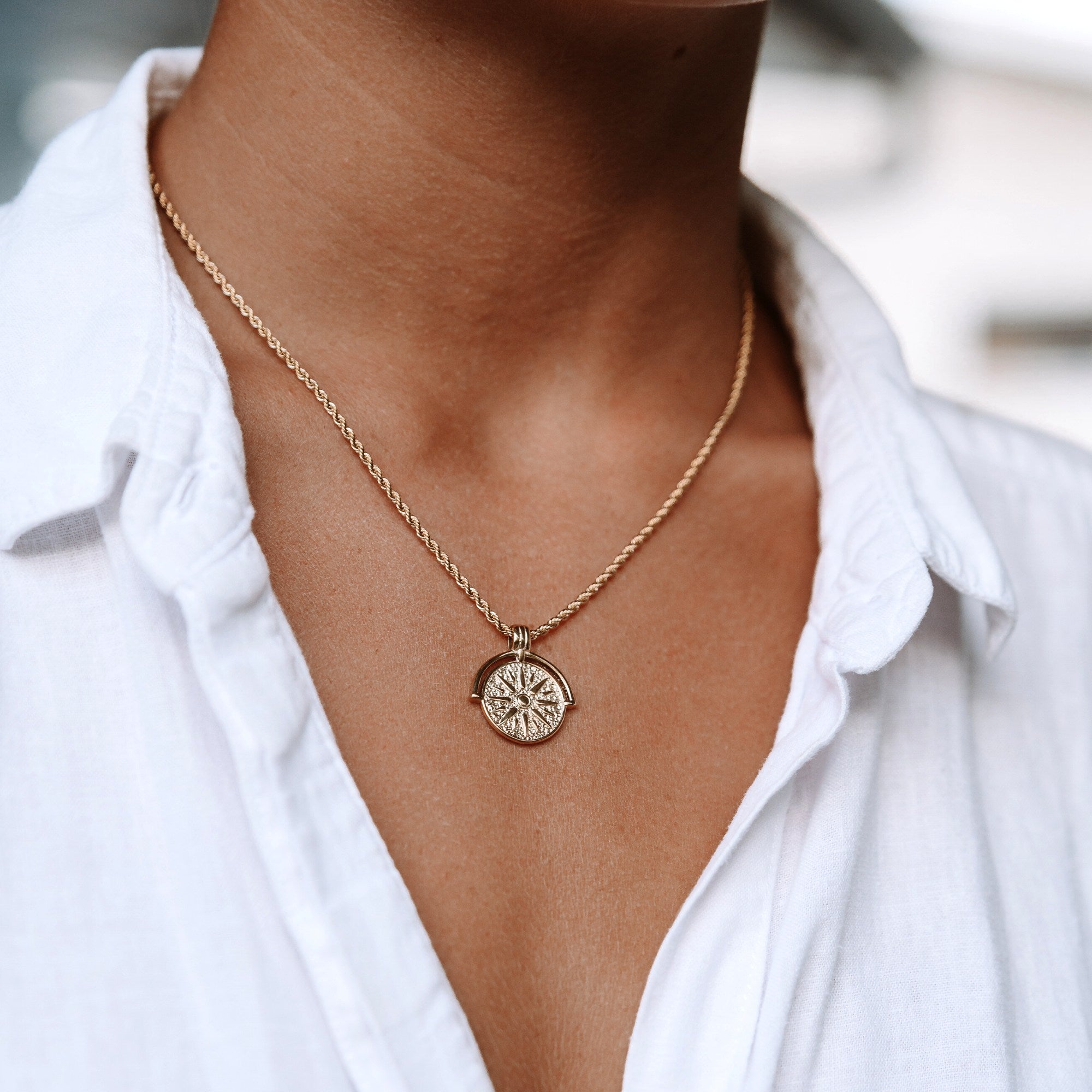
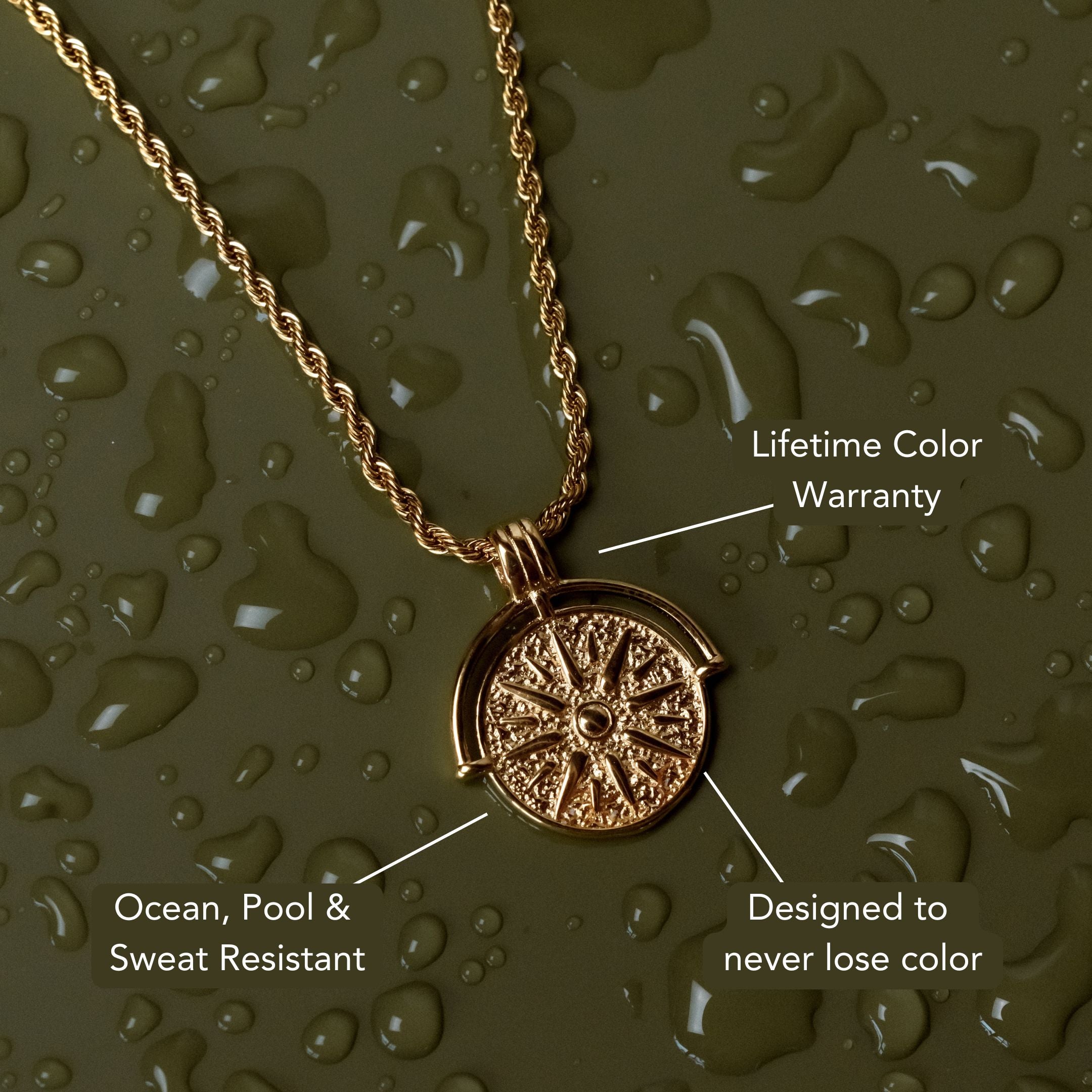
You curate meaningful charms the way scholars curate sources: deliberately, with context. A birthstone signals lineage; a compass suggests direction; a lock and key mark commitment.
You control hierarchy through scale and placement, stacking talismans or isolating a single emblem for emphasis. Material decisions matter, too: gold confers permanence, silver reads approachable, enamel adds chromatic code.
Ultimately, you design a wearable archive that clarifies who—and what—you honor.
Frequently Asked Questions
How Do I Insure Valuable Jewelry Against Loss or Theft?
You secure protection by obtaining a jewelry appraisal, scheduling items on a homeowners or valuable articles policy, and confirming insurance coverage for mysterious disappearance. Photograph pieces, keep receipts, update appraisals biennially, set agreed value, and verify worldwide, off-premises protection.
What Metals Are Safe for Sensitive Skin or Allergies?
Choose hypoallergenic metals: platinum, titanium, niobium, and high-karat (18k–24k) gold; they minimize skin reactions. Avoid nickel alloys; opt for surgical-grade stainless steel (316L/316LVM). Verify rhodium-plated white gold’s base alloy. Test pieces gradually; clean regularly to reduce irritants.
How Should I Clean Gemstones Without Damaging Them?
Use lukewarm water, mild dish soap, and a soft brush—these safe methods suit most gemstone cleaning. Avoid ultrasonics for porous or treated stones. Rinse thoroughly, pat dry, and air-dry. Store separately; consult jeweler for oil‑filled or heat‑sensitive gems.
When Is It Best to Resize or Repair a Ring?
You should pursue ring resizing when fit changes, seasonal swelling persists, or knuckles alter. Choose ring repair immediately for loose stones, thinning shanks, cracked settings, or bent bands. Act before metal fatigue worsens damage; document alloys, solder seams, and gemstone heat-sensitivity.
How Can I Spot Counterfeit Designer Jewelry Online?
Look for counterfeit indicators: inconsistent logos, sloppy engraving, odd fonts, mismatched hallmarks, and unrealistic pricing. Verify online authenticity through official retailer lists, serial checks, provenance, high‑resolution photos, and return policies. Scrutinize seller history, payment security, and third‑party authentication.
Conclusion
You’ve explored classic, minimalist, vintage, boho, statement, modern, and personalized jewelry styles—each with distinct aesthetics, histories, and cultural cues. Now, evaluate your wardrobe, daily context, and occasions to curate pieces that balance form, function, and identity. Layer thoughtfully, mix metals strategically, and privilege craftsmanship. Let silhouettes guide pairing: bold with simple, delicate with structured. Ultimately, choose designs that articulate your narrative. When your jewelry aligns with your values and lifestyle, it’s not adornment—it’s coherence.






Leave a comment
This site is protected by hCaptcha and the hCaptcha Privacy Policy and Terms of Service apply.