

How to Store Silver Jewlery the Right Way
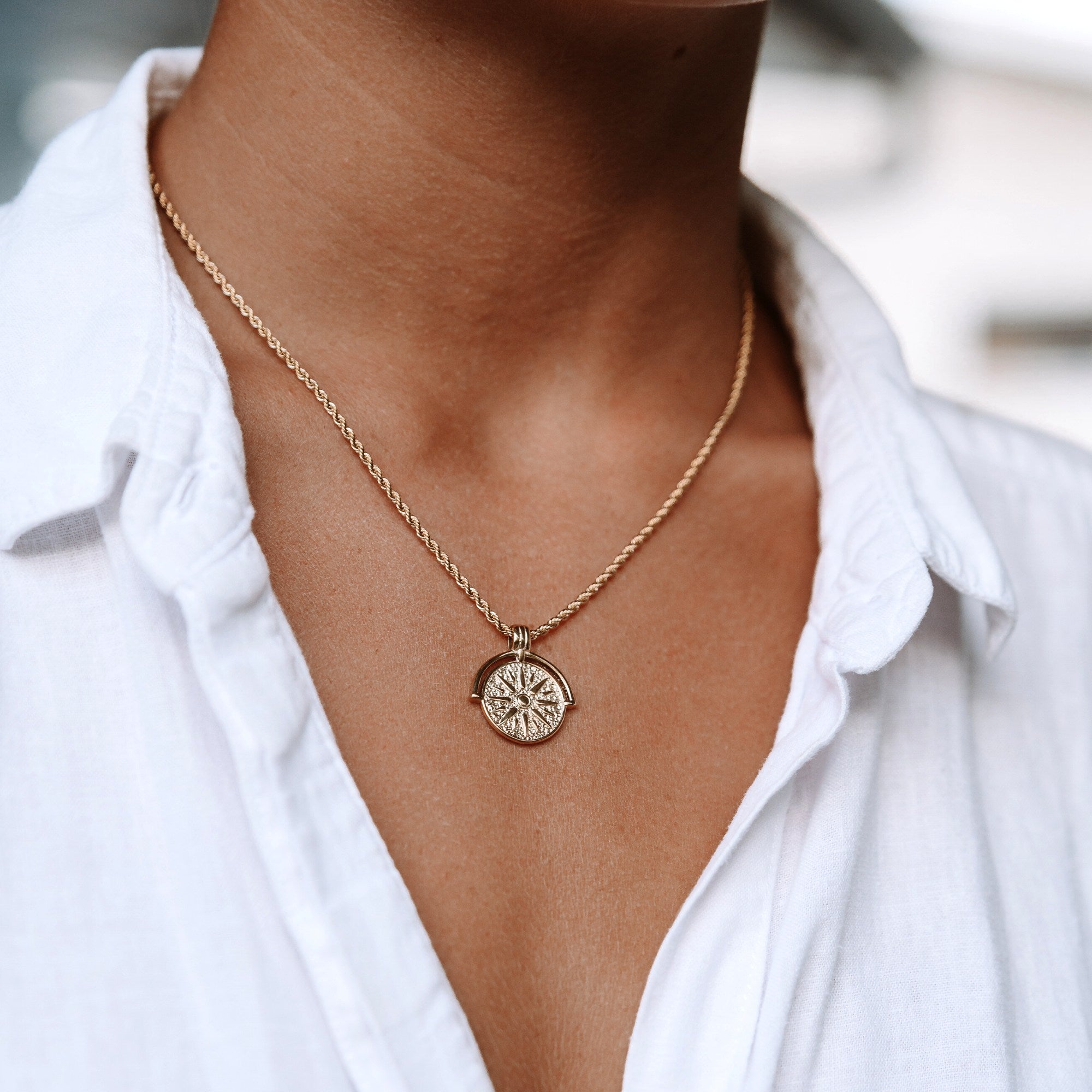
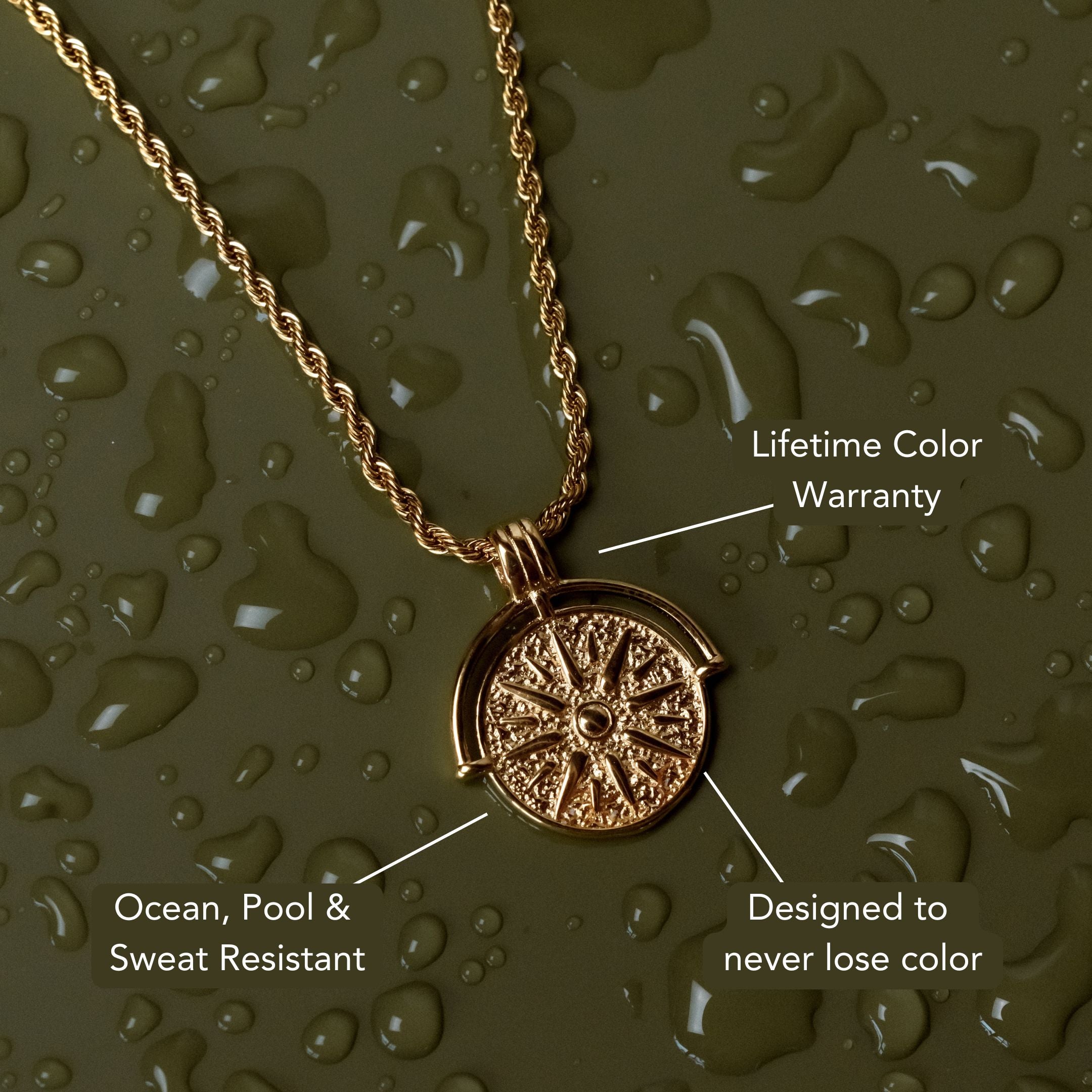
How to store silver jewelry? Store silver in airtight, inert containers lined with anti-tarnish cloth, and avoid felt or acidic boxes that can accelerate discoloration. Bag each piece separately in polyethylene or polypropylene zip bags to prevent abrasion and tangling. Keep humidity stable at 35–50% using silica gel, and add sulfur-absorbing strips to slow silver sulfide formation. Before sealing, clean with mild soap, rinse with deionized water, dry completely, and polish gently. Store organizers away from kitchens and bathrooms, and use lined, compartmented pouches for travel. If you want a lower-maintenance alternative for daily styling, Everyday Gold Jewelry offers shine without the same tarnish concerns. Next, you’ll see how to build a stable storage microclimate step by step.
Choose the Right Containers and Linings
Although any box can hold jewelry, silver stays untarnished only when you control air, moisture, and sulfur exposure.
Choose inert, airtight containers and pair them with anti-tarnish linings. Opt for acid free boxes to prevent cellulose-derived acids from catalyzing corrosion.
Line interiors with sulfur-absorbing, anti-tarnish cloth or Tyvek, not felt that off-gasses dyes. Use zip-seal bags made from polyethylene or polypropylene, then place them inside rigid cases for mechanical protection.
Silver pouches infused with corrosion inhibitors add a protective microclimate; replace them per manufacturer timelines. Add silica gel desiccants to maintain relative humidity around 35–45%.
Avoid rubber, wool, and newspaper; they emit sulfur compounds. Keep containers away from bathrooms and kitchens to reduce ambient humidity and airborne sulfides.

Separate Pieces to Prevent Scratches and Tangles
With airtight, inert containers set, prevent physical damage by isolating each item.
Separate chains, pendants, bracelets, and earrings so metal surfaces don’t abrade one another. Friction causes micro-scratches that dull polish; interlaced chains kink and work-harden links. To eliminate contact, organize compartments in a rigid tray or drawer insert sized to your inventory. Assign one cavity per piece or per matched pair with posts capped.
For soft protection, use pouches made from non-abrasive, dye-fast microfiber or unbleached cotton; place one item per pouch, then place pouches in their own cells.
Fit necklaces into narrow channels and secure clasps to prevent migration. Coil chains loosely and anchor with a soft tie to avoid torsion. Keep gemstone-set pieces segregated; harder stones will scratch silver.
Control Humidity and Use Anti-Tarnish Tools
Because silver tarnishes as it reacts with moisture and airborne sulfur compounds, you should regulate humidity and deploy proven anti-tarnish media.
Maintain relative humidity between 35% and 50% using a hygrometer for verification. Place desiccants—silica gel or molecular sieve—inside drawers or boxes, and regenerate them per manufacturer specs. Avoid bathrooms and basements, where humidity control is unreliable.
Add anti-tarnish solutions to each storage container: sulfur-absorbing strips, activated carbon filters, or copper-impregnated cloth. Replace indicators when color-change shows saturation.
Use airtight or gasketed cases to stabilize microclimates; open them briefly to limit air exchange. Store pieces away from wool, felt, rubber bands, and newsprint, which off-gas sulfur and acids.
Combine desiccants with anti-tarnish tools for layered protection and slower corrosion kinetics.

Prep and Clean Jewelry Before Storing
Humidity control slows tarnish, but you also need to remove contaminants before storage. Start with a lint‑free microfiber cloth to remove skin oils, salts, and cosmetics, which catalyze silver sulfide formation.
For routine jewelry maintenance, use mild dish soap in lukewarm water; agitate gently, then rinse with deionized or distilled water to prevent mineral spots. Dry completely with airflow and blotting—no heat.
Apply nonabrasive cleaning techniques for stubborn tarnish: use a silver‑specific polish or cloth with anti‑tarnish compounds; avoid baking‑soda/aluminum baths on pieces with oxidized finishes or glued stones.
Inspect settings, hinges, and clasp springs; remove residue around prongs with a soft brush. Isolate porous gems (opal, pearl, turquoise) from chemicals; clean them with damp cloths only.
Verify every piece is fully dry before sealing.
Smart Storage for Travel and Everyday Use
Although silver is durable, you’ll limit tarnish and damage by choosing purpose-built containers and minimizing exposure to air, moisture, and abrasion.
For trips, use lined travel pouches with individual compartments and zip closures; select anti-tarnish fabric or add treated strips. Separate chains, earrings, and rings to prevent friction and knotting. Place the pouch in a rigid case to resist crushing, and keep silica gel packets to control humidity.
At home, choose everyday organizers with soft, non-abrasive liners and sealed lids. Allocate dedicated slots: necklace hooks, padded ring rows, and divided trays for bracelets and studs.
Store each piece in a polyethylene bag or tarnish-resistant sleeve, expelling excess air before sealing. Keep organizers away from bathrooms, direct sunlight, and heat sources to stabilize temperature and humidity.

Frequently Asked Questions
How Often Should I Inspect Silver Jewelry While in Storage?
Inspect stored silver monthly; increase inspection frequency to biweekly in humid storage conditions. Check for tarnish, moisture intrusion, sulfur exposure, and compromised anti-tarnish materials. Rotate pieces, refresh desiccants, and re-seal bags. Document findings to detect trends and prevent cumulative damage.
Can Essential Oils Affect Stored Silver Jewelry?
Yes. Certain essential oil types release sulfurous or acidic compounds that accelerate tarnish and pit silver. Prioritize jewelry care: avoid direct contact, store pieces sealed, segregate oiled items, use anti-tarnish strips, and clean residues promptly with non-abrasive methods.
Are Safes or Lockboxes Better for Long-Term Silver Jewelry Storage?
Choose a safe for long-term storage. Safes advantages include thicker steel, fire ratings, bolt-down options, and superior pry resistance. Lockboxes disadvantages: thin gauge metal, minimal locking mechanisms, no fire protection, easy portability. Add desiccants, anti-tarnish strips, and sealed pouches.
Does Proximity to Electronics Influence Silver Tarnishing?
Yes. Electronics can accelerate tarnish via emitted ozone, heat, and airflow that circulate sulfur compounds. For tarnish prevention tips, keep silver away from devices, use airtight storage, anti-tarnish strips, desiccants, and clean regularly to counter electronic device impact.
What Insurance Considerations Apply to Stored Silver Jewelry?
You’ll secure stored silver by scheduling jewelry on your homeowner’s or renter’s policy. Confirm appraisal value, require documentation, and verify policy coverage limits, exclusions, and off-premises protection. Consider a safe-deposit box rider, separate inland marine policy, and periodic reappraisals.
Conclusion
Store your silver with intent and you’ll minimize tarnish, abrasion, and deformation. Use inert containers, anti-tarnish linings, and silica gel to control humidity. Isolate each piece in soft, non-abrasive pouches or compartments to prevent contact damage. Always clean, dry, and inspect clasps and settings before stowing. For travel, choose rigid, compartmentalized cases; for daily wear, maintain a dedicated drop zone. With consistent protocols, you’ll preserve luster, reduce maintenance, and extend the service life of every piece.






Leave a comment
This site is protected by hCaptcha and the hCaptcha Privacy Policy and Terms of Service apply.