



Best Way to Clean Gold Chain at Home
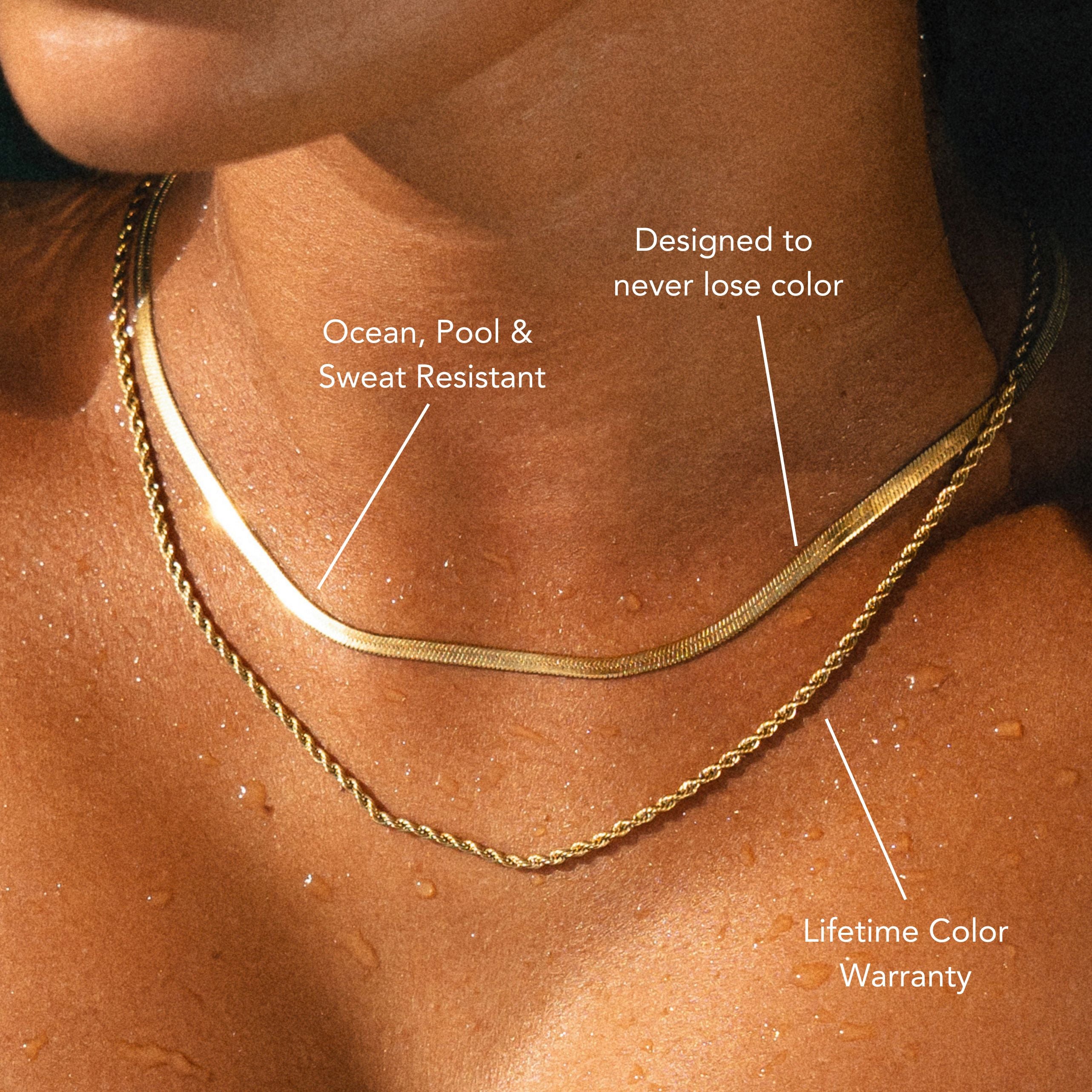
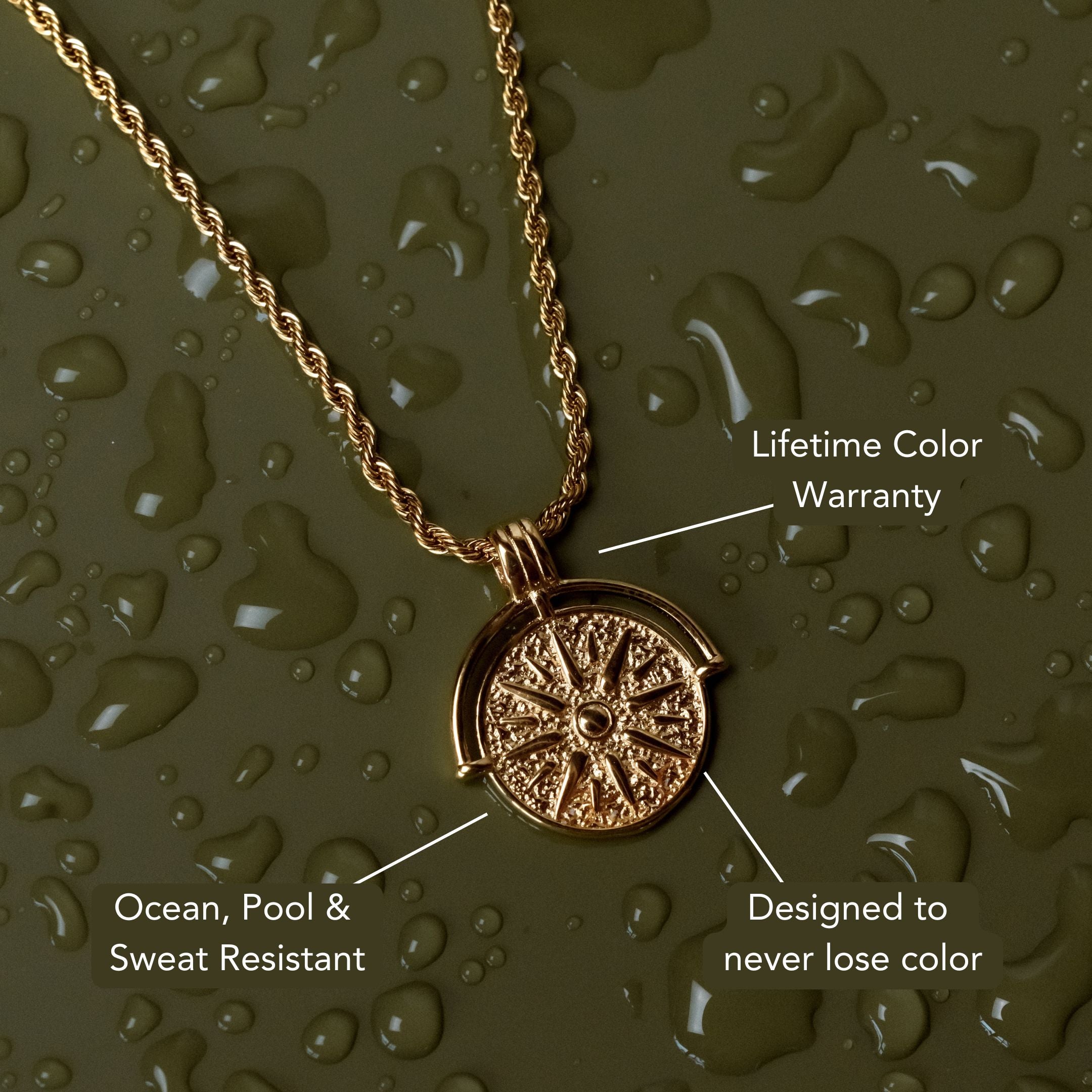
The best way to clean gold chain pieces at home starts with soaking them in warm water mixed with a few drops of mild dish soap for 10–15 minutes to loosen buildup and restore shine—an easy routine that helps maintain the sleek glow of designs from Atolea’s Minimalist Gold Necklace collection. Gently brush between the links with a soft toothbrush, rinse under lukewarm running water, and pat dry with a lint-free cloth before letting the chain air-dry completely. For plated or gold-filled jewelry, skip long soaking and wipe carefully instead. Keep reading for extra tips on caring for gemstones, removing stubborn grime, smart storage, and knowing when professional cleaning is the better choice.
Quick Safe Method to Clean a Gold Chain
A simple, safe way to clean your gold chain at home is to soak it briefly in warm, soapy water and gently brush away grime with a soft toothbrush; this removes oils and everyday buildup without harming the metal or any small gemstones.
You’ll rinse thoroughly, pat dry with a lint-free cloth, and air-dry fully before wearing. For stubborn dirt, use a drop of mild dish soap rather than harsh chemicals; you’re relying on gentle home remedies that preserve finish and any delicate settings.
As cleaning tools, choose a soft-bristle toothbrush, wooden toothpicks for tight links, and a microfiber cloth.
Inspect links and clasps for wear after cleaning, and store the chain separately to prevent scratches.

Identify Solid Gold vs. Gold-Filled vs. Gold-Plated
Knowing how to clean your chain is only part of caring for it — next you'll want to identify what kind of gold you actually own.
Check for stamps: solid gold pieces usually show karat marks (10K, 14K, 18K) or "GF" for gold filled and "GP" or "EP" for plated.
Weight and feel help: solid gold is heavier and denser than gold filled or gold-plated items.
Inspect edges and chain links for wear; gold-plated jewelry will reveal base metal where plating has worn through, while gold filled maintains a thicker outer layer that lasts longer.
If you're unsure, perform an acid test or consult a jeweler.
Knowing the type guides how aggressively you clean and protects your chain from damage.
Cleaning Solid Gold Chains (Everyday Dirt and Oil)
When your solid gold chain picks up everyday grime, you can usually restore its shine with a gentle, straightforward routine that won’t risk damage.
Start by soaking the chain in a bowl of warm water mixed with a few drops of mild dish soap for 10–15 minutes; that loosens dirt and oil buildup without harsh chemicals.
Use a soft-bristled toothbrush to gently agitate links and crevices, working slowly to avoid bending delicate joints.
Rinse thoroughly under lukewarm running water and pat dry with a lint-free cloth, then air-dry completely before storing.
For everyday maintenance, wipe the chain with a soft cloth after wearing to remove sweat, lotions, and oils.
Store separately to prevent scratches and reduce future grime accumulation.

Gentle Cleaning for Gold-Plated and Gold-Filled Chains
If your care routine for solid gold worked well, you’ll need to be gentler with gold-plated and gold-filled chains because their surface layers can wear away with harsh cleaning.
Start by mixing a few drops of gentle soap with lukewarm water. Dip a soft cloth into the solution, wring it so it’s damp not dripping, and gently wipe the chain surface; avoid scrubbing or soaking for long periods.
Rinse the cloth in clean water and pass it over the chain to remove residue. Pat dry with a separate soft cloth and let the piece air-dry completely before storing.
Store flat or hanging to avoid kinks, and clean only when you see dirt or dullness to extend the plated layer’s lifespan.
Cleaning Chains With Gemstones or Delicate Settings
Because gemstones and delicate settings can be damaged by moisture, chemicals, or rough handling, you’ll need a cautious, targeted approach when cleaning these chains.
Start by examining each stone and its mount; if you see loose prongs or chips, stop and take the piece to a jeweler.
For intact pieces, use a soft, dry brush to remove surface dust, then lightly dampen a microfiber cloth with distilled water and gently wipe metal areas—avoid soaking.
For dirt near stones, use a barely-moistened cotton swab, working slowly around prongs and bezels.
Pat dry immediately and air-dry fully on a soft cloth.
Store chains separately to prevent abrasion.
Follow gemstone care guidelines specific to softer gems (pearls, opals) and treat delicate settings with minimal intervention.
Household Cleaners That Safely Clean Gold (And Why)
After you’ve handled fragile settings with care, you’ll want to know which common household cleaners are safe for plain gold and why they work.
You can use mild dish soap mixed with warm water to lift oils and surface dirt without harming gold’s surface; soak briefly, brush gently, rinse, and dry.
A paste of baking soda and water offers gentle abrasion for stubborn grime on heavier pieces—apply lightly and rinse thoroughly.
A diluted vinegar solution (one part white vinegar to three parts water) can dissolve mineral buildup; limit soak time and rinse well to prevent prolonged acid exposure.
Always test a small area first, avoid scrubbing aggressively, and dry with a soft cloth to restore shine.
Cleaners and Practices to Avoid (What Damages Gold)
Harsh chemicals and rough handling can ruin gold quickly, so avoid ammonia-based cleaners, bleach, acetone, and concentrated acids—they strip surface finishes, weaken soldered joints, and can discolor alloys.
Don’t use ultrasonic machines or steam cleaners on fragile chains, plated pieces, or items with loose settings; the vibration and heat can loosen stones and peel plating.
Stay away from household detergents with strong degreasers and any DIY mixtures labeled as "industrial" — those damaging chemicals are unnecessary for routine care.
Avoid abrasive brushes, baking soda pastes, and metal polish; they scratch and remove thin layers.
When trying new cleaning solutions, test on an inconspicuous spot first.
If unsure, consult a jeweler rather than risking permanent damage.

Removing Stubborn Grime and Light Tarnish Safely
Now that you know what to avoid, let’s focus on safe ways to lift dirt and mild tarnish without harming the metal or any stones.
Begin with a gentle soak: mix warm water and a few drops of mild dish soap, then let the chain sit for 10–15 minutes to loosen grime.
Use a soft-bristled toothbrush to lightly agitate links and clasps, working in the direction of the metal’s grain.
For targeted tarnish removal, apply a paste of baking soda and water sparingly, rub gently, then rinse thoroughly.
Avoid abrasive scrubbing and chemical dips unless a professional confirms they’re safe for your piece.
These cleaning techniques prioritize protection of gold and settings while achieving effective tarnish removal.
Drying, Polishing, and Storing Gold Chains to Keep Shine
Once the chain's clean, dry it completely with a soft, lint-free cloth and let it air for a few minutes to guarantee moisture doesn't remain in links or clasps.
For drying techniques, blot gently then lay the chain flat on a clean towel; avoid heat or blow-drying, which can loosen soldered joints.
For polishing methods, use a jeweler's polishing cloth or a non-abrasive microfiber pad, rubbing in the direction of the links to remove surface oils and restore luster without scratching. Don’t over-polish plated pieces.
For storing tips, place chains separately in soft pouches or individual compartments to prevent tangling and abrasion; store in a cool, dry place away from chemicals.
Regular gentle care preserves finish and supports long-term shine maintenance.
Troubleshooting: Spots, Loose Links, and When to See a Jeweler
If you spot dark patches, white residue, or uneven color on your gold chain, don’t panic—you can often identify and treat the cause yourself before resorting to a pro.
First assess spots: oil, dirt, or chemical residue usually responds to gentle cleaning with warm soapy water and a soft brush—this is effective spot removal for most cases. For stubborn discoloration, try a diluted ammonia solution briefly, then rinse thoroughly.
Inspect links regularly: flex each section and look for thinning, kinks, or separation. Small bends or open rings can be closed carefully with nylon-jawed pliers for basic link repair, but don’t force hardened metal.
See a jeweler if solder joints are broken, a clasp fails, or multiple links are compromised—these need professional repair to guarantee strength and value.
Frequently Asked Questions
Can I Use Ultrasonic Cleaners on All Gold Chains?
Not always—you’ll want to check ultrasonic effectiveness and chain compatibility first. You shouldn’t use ultrasonics on delicate, hollow, glued, or gemstone-set gold chains; solid, sturdy chains tolerate it better when cleaned carefully.
How Often Should I Professionally Clean My Gold Chain?
You should get professional cleaning frequency of your gold chain every 12–24 months, depending on wear and gemstones; for gold chain maintenance, schedule annual inspections and cleanings, more often if you wear it daily or expose it to chemicals.
Is It Safe to Wear a Gold Chain in the Shower or Pool?
You can wear a gold chain in the shower or pool, but you shouldn’t always. Shower safety: avoid harsh soaps and hot water that dull finish. Pool precautions: chlorine can weaken or discolor over time, so remove it.
Will Gold Cleaning Remove Engravings or Hallmarks?
No, proper gold cleaning methods won’t remove engravings or hallmarks if you’re careful; avoid harsh abrasives and strong acids, use mild soap, warm water, soft brush, and preserve engravings by gentle, targeted cleaning.
Can Babies or Pets Chew on Cleaned Gold Chains?
No, you shouldn't let babies or pets chew cleaned gold chains; gold chain safety matters because swallowed pieces or stressed links can choke or injure, and pet health risks include metal ingestion or mouth lacerations—keep jewelry out of reach.
Conclusion
You can keep your gold chain bright and safe at home by identifying its type, using mild soap and warm water for solid gold, and gentler, quick dips for plated or filled pieces. Avoid harsh chemicals and abrasives, clean around gems carefully, and remove stubborn grime with a soft brush or baking soda paste sparingly. Dry thoroughly, polish with a soft cloth, store separately, and consult a jeweler for loose links or persistent damage.












コメントを書く
このサイトはhCaptchaによって保護されており、hCaptchaプライバシーポリシーおよび利用規約が適用されます。