

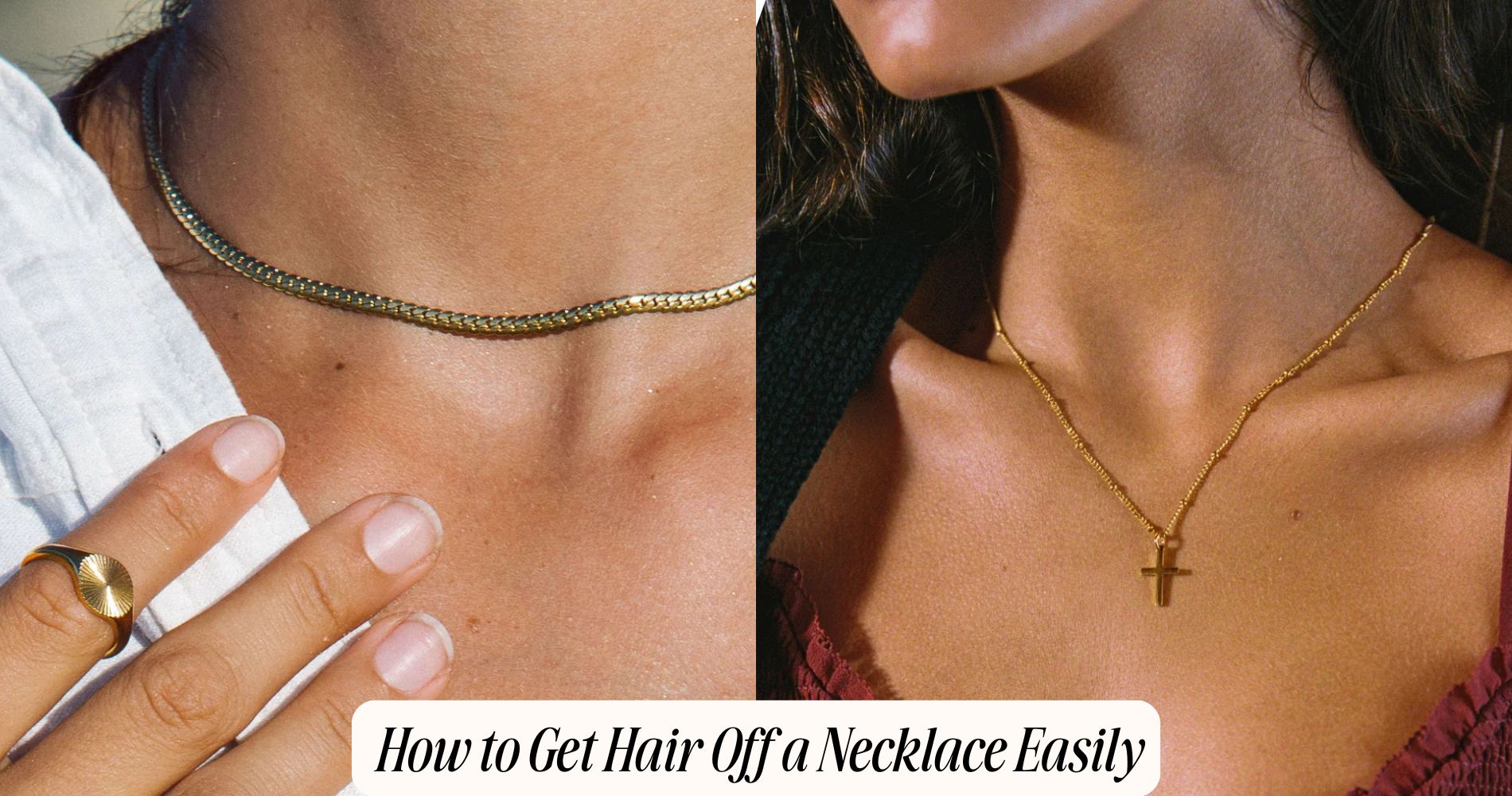
How to Get Hair Off a Necklace Easily
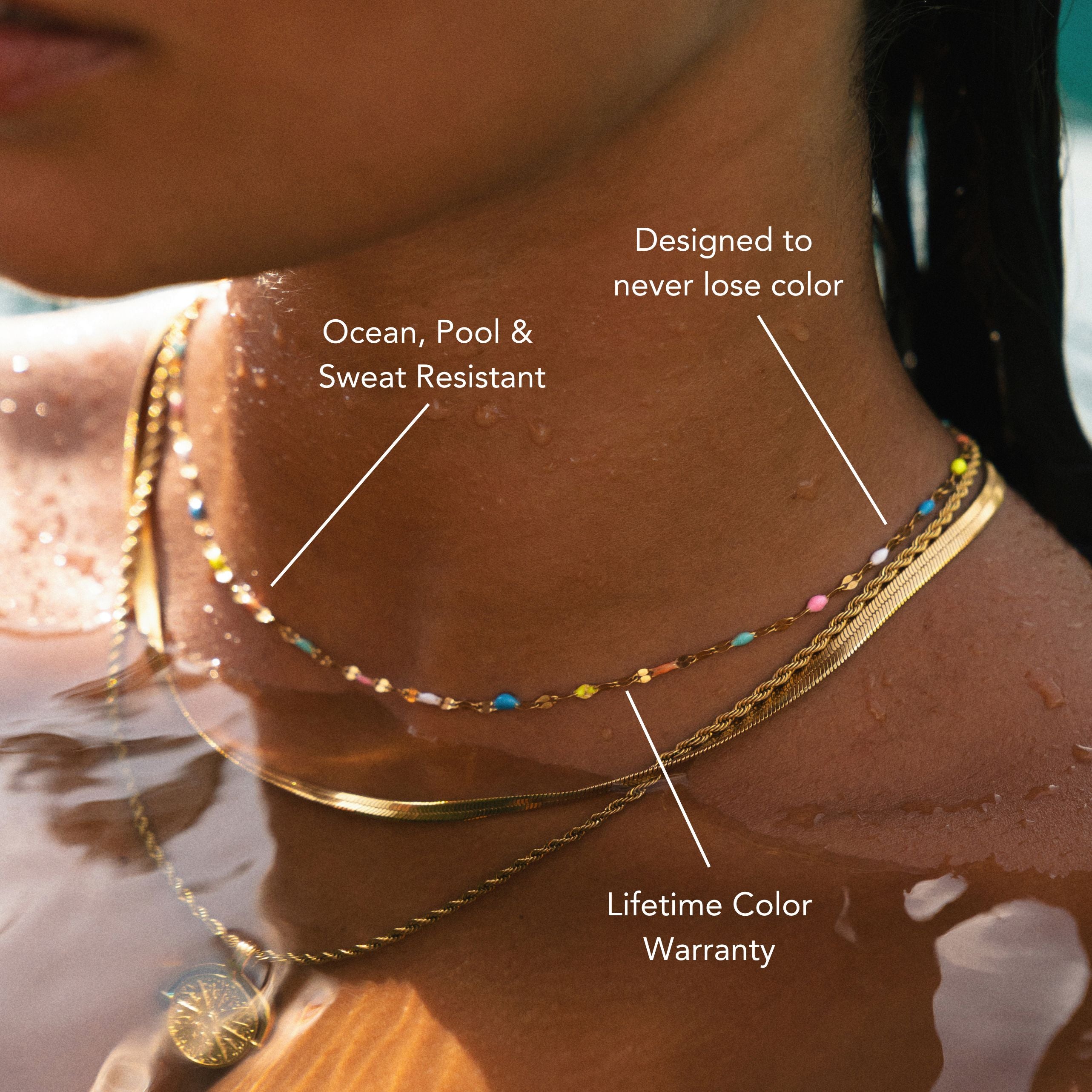
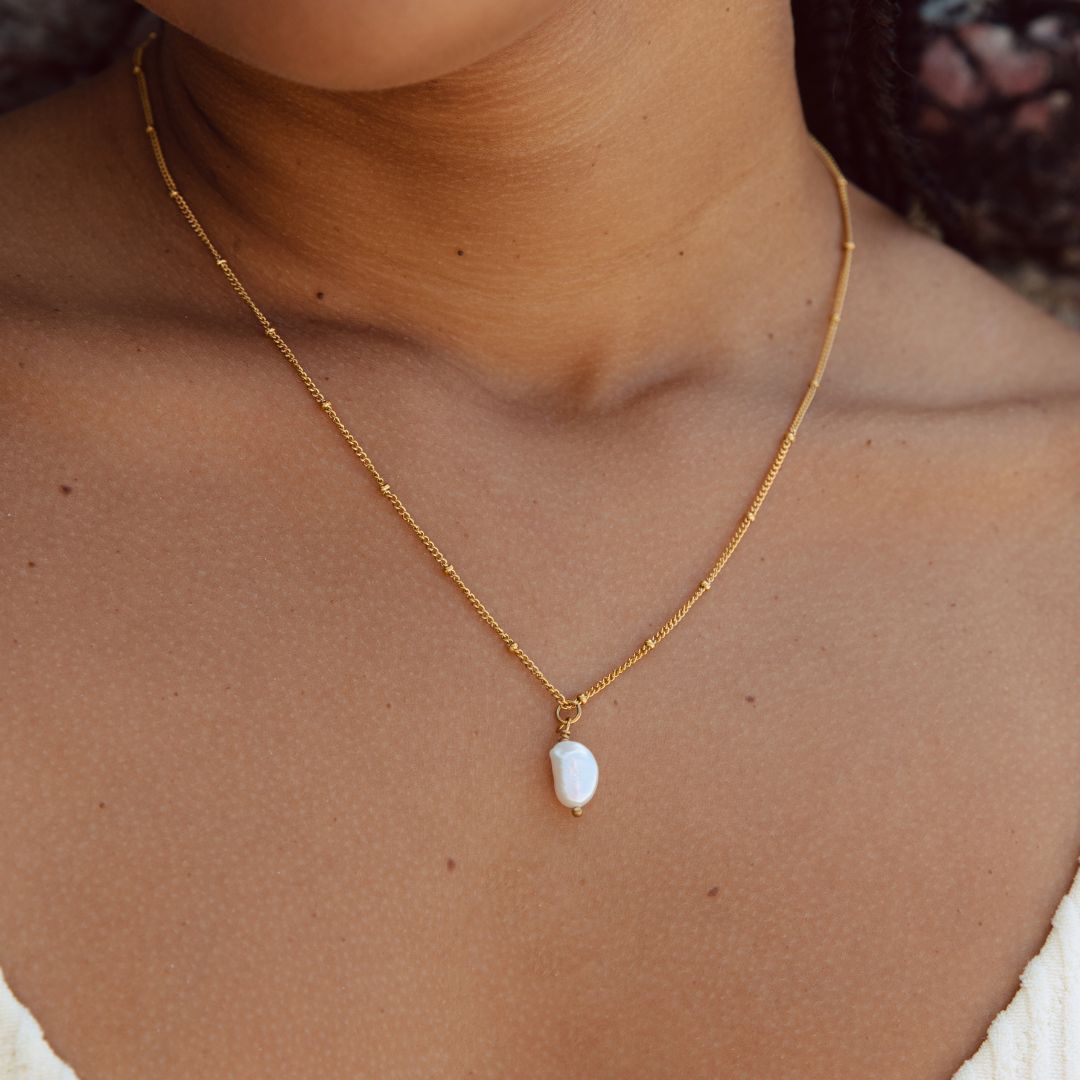
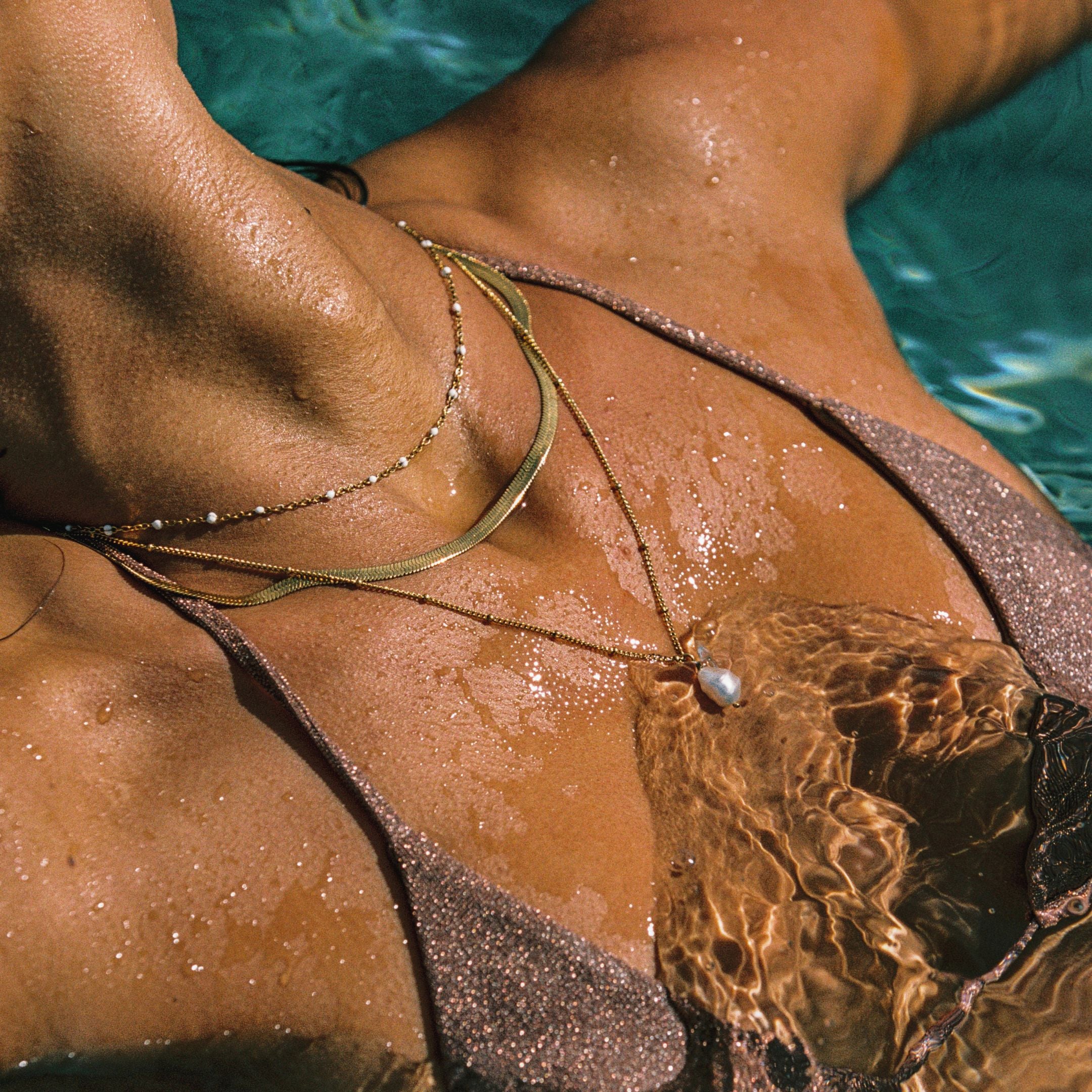
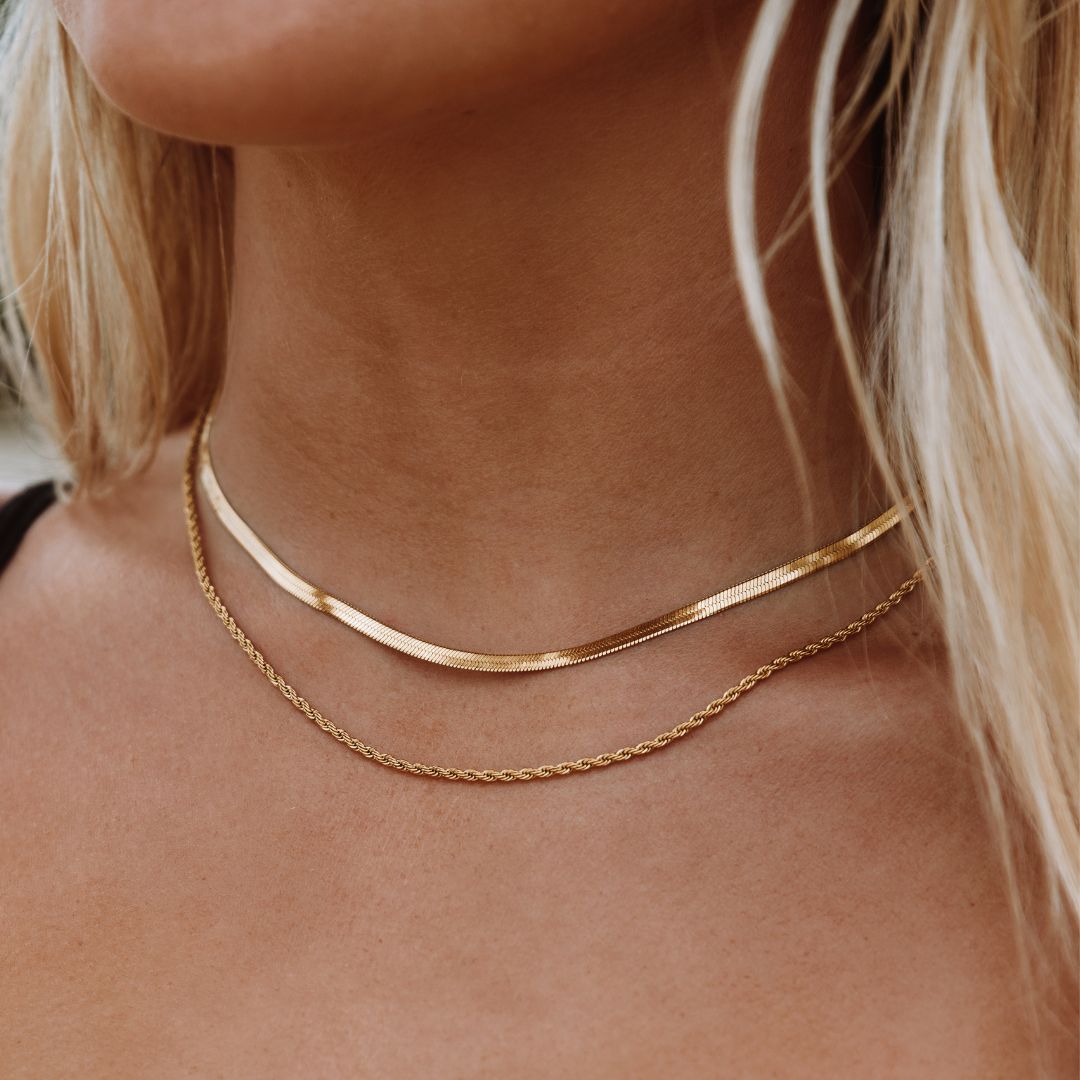
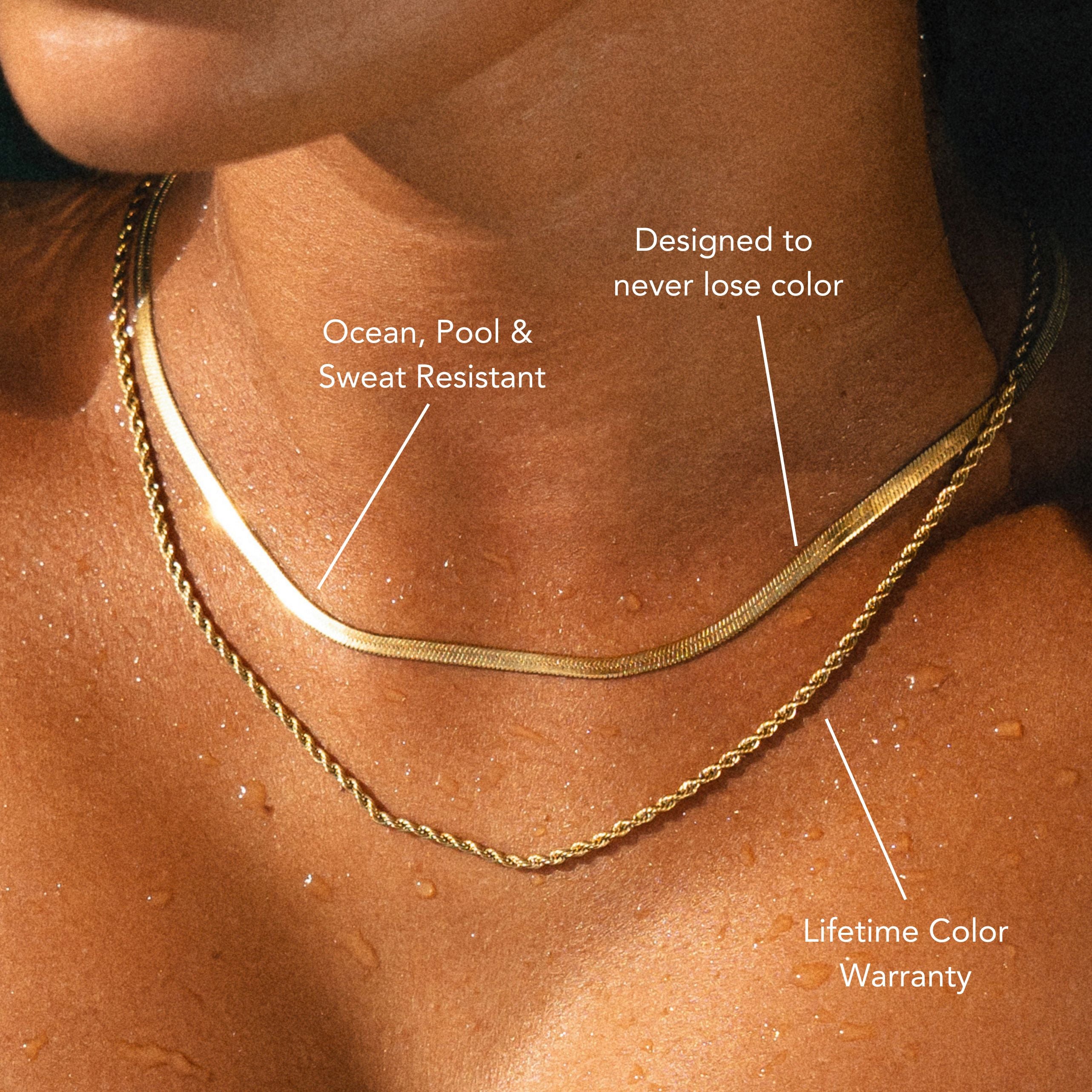
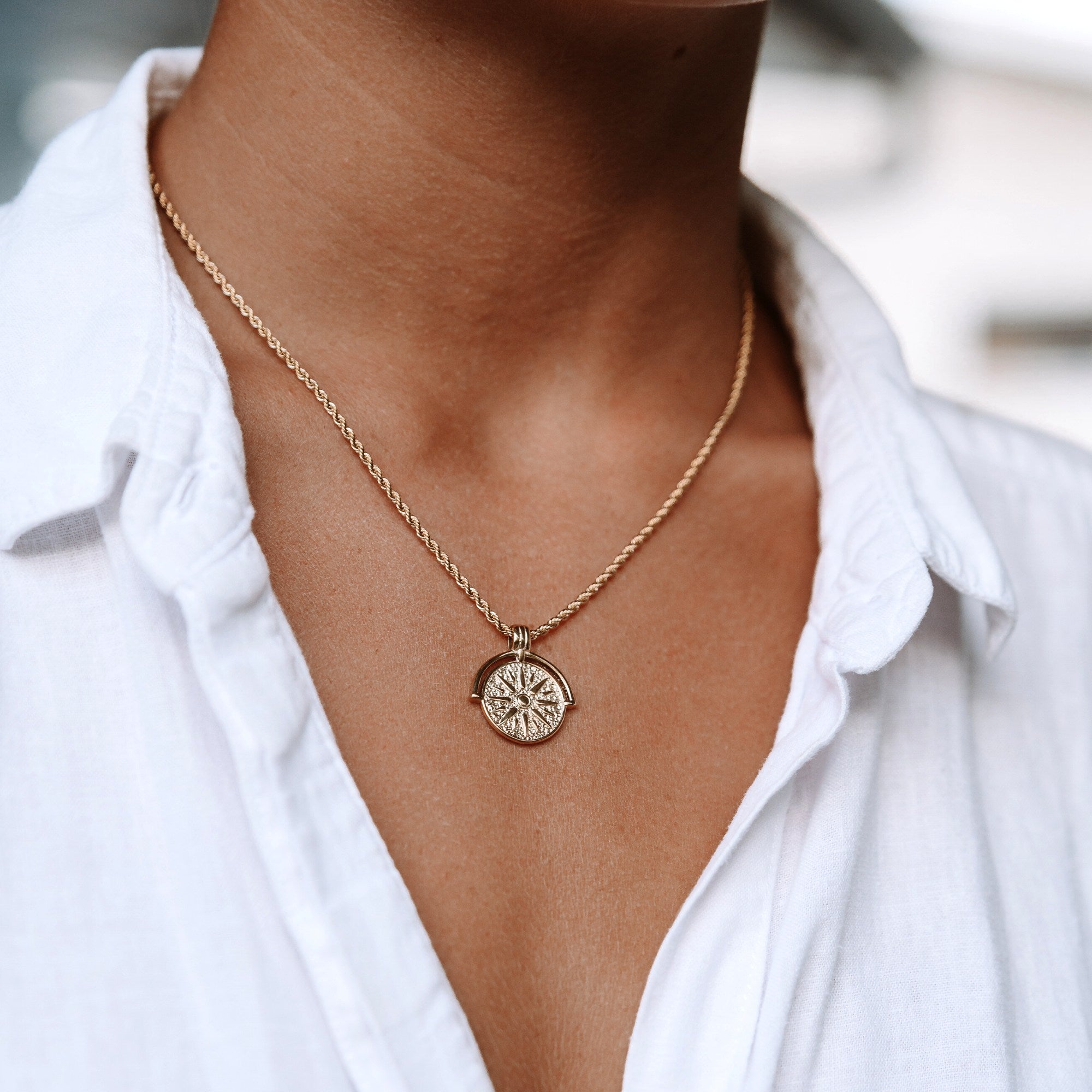
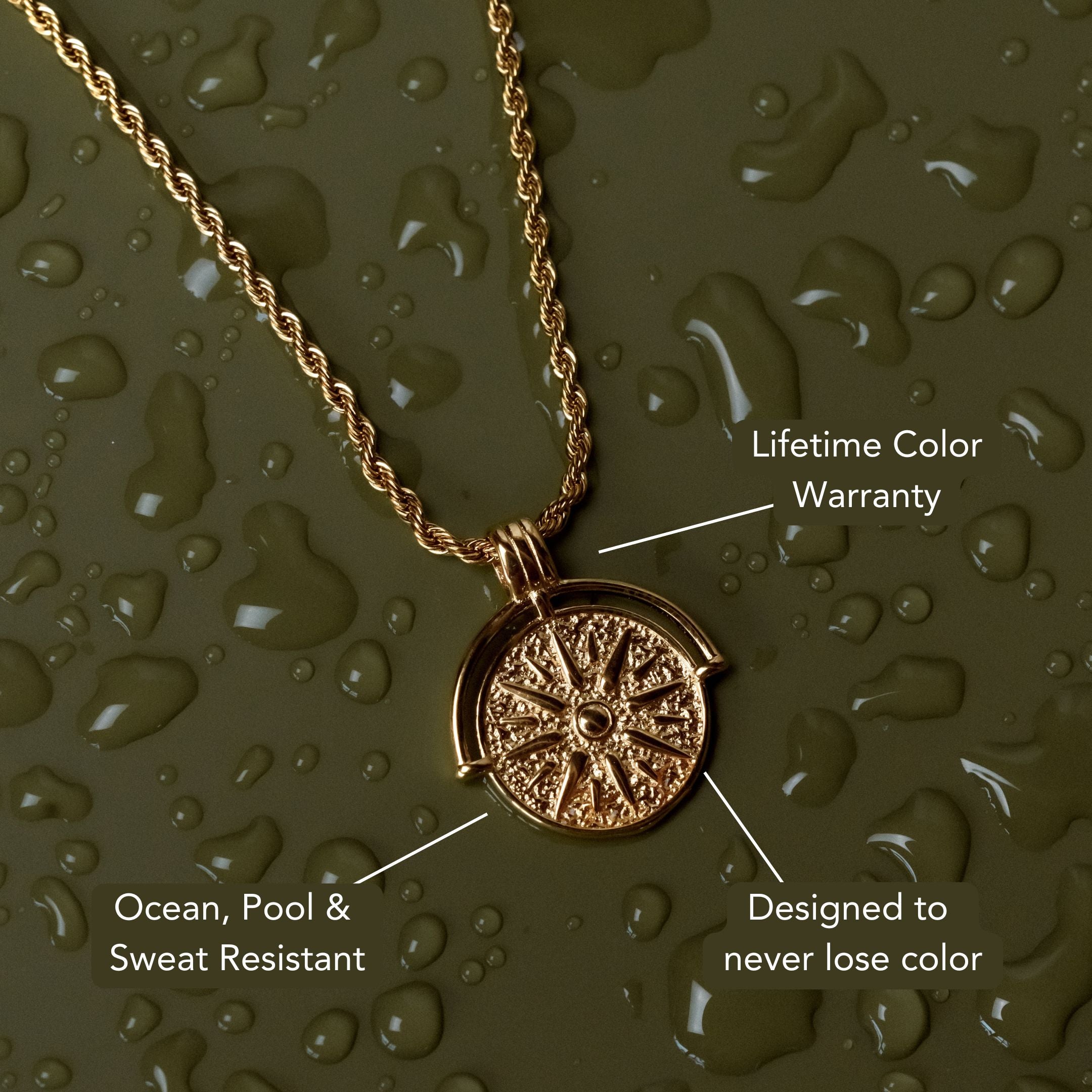
How to get hair off a necklace? Lay the necklace flat on a clean towel and use a lint roller or tape to lift loose hairs, then sweep chain links with a soft-bristled toothbrush to dislodge fine strands—an easy routine that keeps delicate pieces like those in Atolea’s Minimalist Gold Necklace collection looking sleek. For stubborn pieces, gently tease out hairs with a needle or fine-tipped tweezers, pulling along the hair’s length to avoid snags. Rinse plated or metal pieces with mild soap and water and dry with a microfiber cloth. Keep pieces separate to prevent future tangles and continue for more tips.
Tools to Remove Hair From Necklaces
Tweezers, a soft-bristled toothbrush, a needle or pin, and a lint roller are the core tools you'll need to remove hair from a necklace; each serves a specific task—tweezers pluck tight tangles, the toothbrush sweeps fine strands from chain links, a needle teases out embedded hairs, and a lint roller lifts loose fibers from pendants or cords.
Keep tools clean and dedicated to jewelry maintenance tips so you don't transfer oils or dirt. Use tweezers for knots, working slowly to avoid bending delicate links. Stroke the toothbrush along the chain in the direction of links to dislodge trapped hair.
Use the needle only under good light to tease hairs from crevices. Finish with the lint roller for quick surface pickup. These hair removal tools are compact and effective.

Quick Fix: 3 Steps to Remove Hair in Under 5 Minutes
Now that you know which tools work best, here are three quick steps to get hair off a necklace in under five minutes.
First, lay the necklace flat on a clean towel and use a lint roller or piece of tape to lift loose hairs—this fast hair removal technique removes surface strands without damaging metal or stones.
Second, use tweezers to grab any stubborn hairs clinging near clasps; work slowly and pull along the hair’s length to avoid snagging links.
Third, rinse the necklace with mild soap and water, dry immediately with a soft cloth, and inspect for missed strands.
These necklace maintenance tips prevent buildup: store necklaces separately and perform this three-step routine weekly for quick, effective results.
Step-by-Step: Untangle Chains and Fine Links
Start by laying the necklace flat on a clean, well-lit surface and separate any adjoining chains so you can see each knot clearly.
Work on one knot at a time, use a magnifier if needed, and steady the chain with one hand while you tease with the tip of a safety pin or a straight needle.
Don't pull hard — apply gentle tension to loosen fibers caught in fine links. Use a drop of lubricant (baby oil or a dab of dish soap) to reduce friction for stubborn tangles, then blot excess.
For multi-strand pieces, clip a paper clip to anchor each strand and practice basic tangling techniques in reverse: trace the path of the knot, loosen loops, and extract hair with tweezers.
Finish by smoothing links and storing flat for improved chain management.
Clear Hair From Clasps, Bails, and Pendant Holes
When hair gets caught in tiny clasps, bails, or pendant holes, you'll need steady hands and the right tools to remove it without damaging the metal or any stones.
Start by laying the necklace on a clean, flat surface with good light and use a magnifying glass if needed. Use a pair of fine-tipped tweezers or a dental pick to coax strands free, pulling gently along the hair’s lay to avoid snags.
For stubborn loops, apply a drop of plain rubbing alcohol to loosen oils, then work the hair out.
Finish by wiping the area with a soft microfiber cloth. These practical hair entanglement solutions double as jewelry maintenance tips to keep fittings clean and functioning.
Remove Hair Safely From Gemstone or Plated Necklaces
Gemstone and plated necklaces need extra care because abrasive tools and harsh solvents can dull finishes or loosen settings; you’ll want to remove hair using gentle, nonabrasive methods.
Begin by laying the piece on a soft cloth under good light. Use a dry, soft-bristle toothbrush or a microfiber cloth to lift hair away from bezels and prongs, brushing with the stone’s grain. For stuck strands, dampen a microfiber swab with distilled water and blot—don’t soak.
If plating maintenance requires it, avoid polishing compounds; a mild soap solution applied sparingly, then rinsed and dried immediately, protects both finish and setting.
Inspect settings after cleaning and store separately to minimize future tangling. These steps support gemstone care and prolong plating maintenance without risking damage.
What Not to Do: Mistakes That Damage Jewelry
Because a quick cleaning or careless handling can cause lasting harm, you should avoid common shortcuts that scratch, loosen, or strip finishes on necklaces.
Don't use harsh household chemicals, abrasive cloths, or toothpaste—these common mistakes eat plating and dull gemstones.
Avoid tugging at caught hairs; instead, gently lift with tweezers or a soft brush to prevent bent links or stretched chains.
Don't soak porous stones or glued settings; prolonged moisture weakens adhesives and fractures delicate materials.
Never store wet or tangled pieces together, and don't wear necklaces during exercise, showering, or when applying lotions and perfumes—those habits accelerate wear.
Follow basic jewelry care: use appropriate cleaners, soft tools, and careful handling to prolong finish, settings, and chain integrity.

Prevent Hairs on Necklaces While Wearing and Storing Them
If you want to keep hairs off your necklaces, adopt simple habits both while wearing and storing them: fasten chains before getting dressed, pull long hair into a low bun or ponytail when you’ll be wearing delicate pieces, and avoid applying lotions or oils directly over your collarbone.
When you’re active, tuck pendants under clothing or swap to short chains to reduce snagging. Use preventive measures like smoothing hair with a detangling brush before jewelry goes on and securing loose strands with clips.
For jewelry storage, hang necklaces individually on hooks or use padded rolls to prevent tangles that trap hairs. Inspect pieces after each wear, brush off stray hairs with a soft cloth, and store only fully dried items.
When to Seek Pro Repair or Ultrasonic Cleaning
Keeping hairs off your necklaces helps prevent buildup, but sometimes strands and debris get compacted into clasps, settings, or between links and need more than a brush.
If hair is matted with skin oil, dirt, or solder residue, or you can’t access tiny crevices, stop DIYing and seek professional cleaning.
Take pieces with gemstones, hollow chains, or antique finishes to a jeweler for ultrasonic cleaning or targeted jewelry repair; they’ll assess risks like loosened stones or fragile enamel.
You’ll save time and avoid damage from harsh chemicals or picks. Ask about ultrasonic duration, solution type, and post-clean inspections.
If the clasp or link is bent, squeaks, or won’t close, insist on repair before cleaning to prevent parts separating in the machine.
Frequently Asked Questions
Can Hair Removal Methods Damage Pearls Specifically?
Yes — harsh chemicals, abrasive scrubbing, or ultrasonic cleaners can damage pearls' nacre. You should use gentle pearl care: soft cloths, mild soap, and professional jewelry maintenance when needed to preserve luster and avoid etching.
Will Hairs Show on Oxidized or Matte-Finish Chains?
Yes — you’ll still see hairs on oxidized chains and matte finishes, but they’re less obvious than on shiny pieces. Use tweezers or a soft brush to lift strands gently, avoiding abrasive rubbing that mars patina.
How Do I Remove Pet Hair From Thick Statement Necklaces?
You gently lift pet hair off thick statement necklaces with a lint roller or gentle tape, use a soft brush for crevices, rinse metal safely if needed, and store pieces separately for proper jewelry care and prevention.
Can I Use Household Lint Rollers Safely on Jewelry?
Yes — you can use a lint roller safely on many pieces, but test first; lint roller effectiveness varies on textured or delicate finishes. For sensitive jewelry, try gentle brushing, adhesive putty, or microfibre cloth as jewelry cleaning alternatives.
Are There Hypoallergenic Adhesives to Prevent Hair Cling?
Yes — you can use hypoallergenic options like medical-grade silicone or acrylic adhesives formulated for sensitive skin, but you’ll want adhesive alternatives too: smooth sealants, anti-static sprays, or a fine fabric coating to reduce hair cling and irritation.
Conclusion
You can get hair off necklaces quickly and safely with the right tools and careful technique. Use a soft toothbrush, tweezers, sewing needle, or compressed air to lift strands from chains, clasps, bails, and pendant holes. For plated or gemstone pieces, avoid harsh scrubbing and use mild soap, warm water, and gentle swabbing. Don’t pull hard or use abrasive tools. Store jewelry separately and consider a gentle professional or ultrasonic clean when needed.





コメントを書く
このサイトはhCaptchaによって保護されており、hCaptchaプライバシーポリシーおよび利用規約が適用されます。