

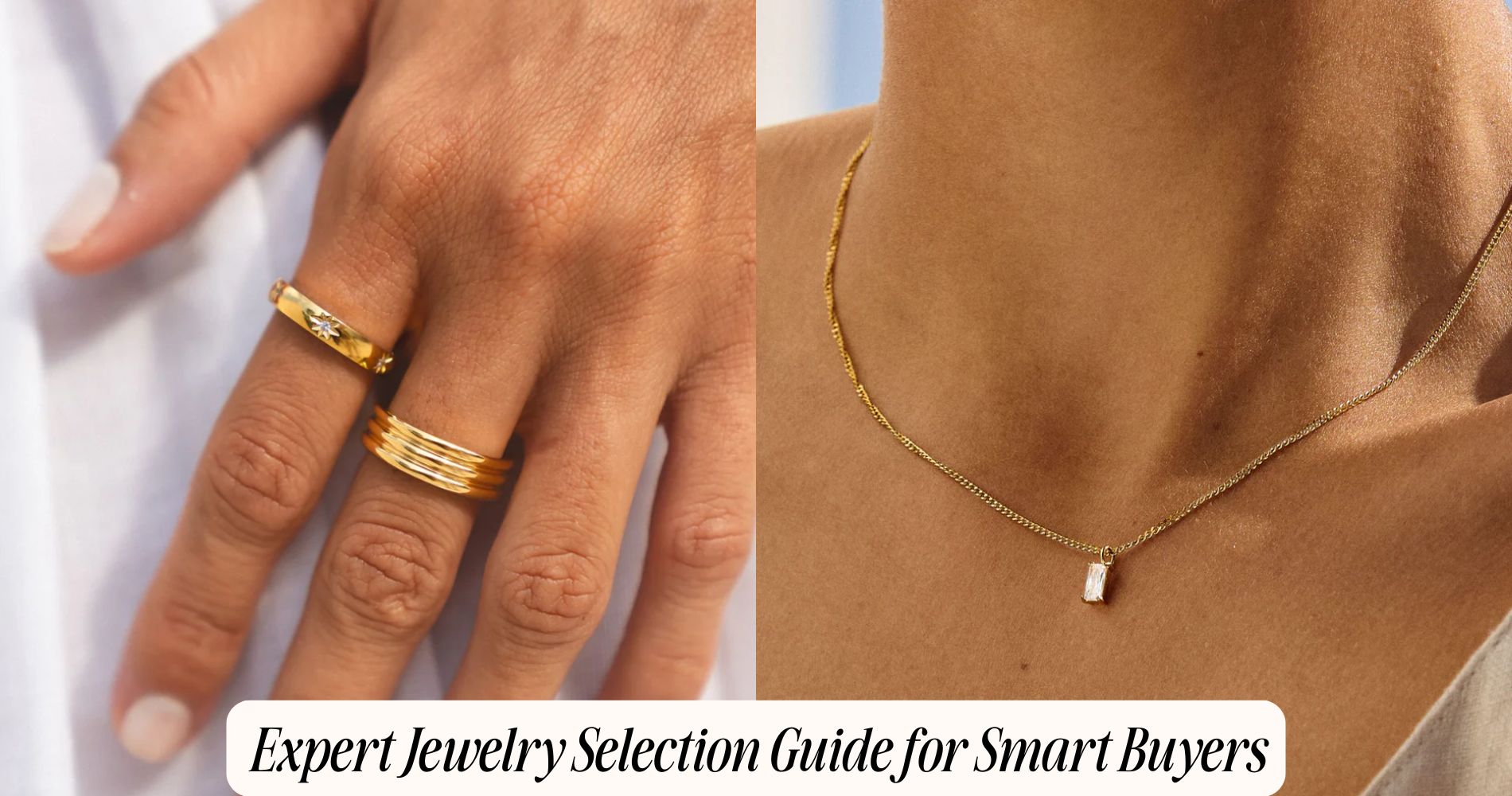
Expert Jewelry Selection Guide for Smart Buyers
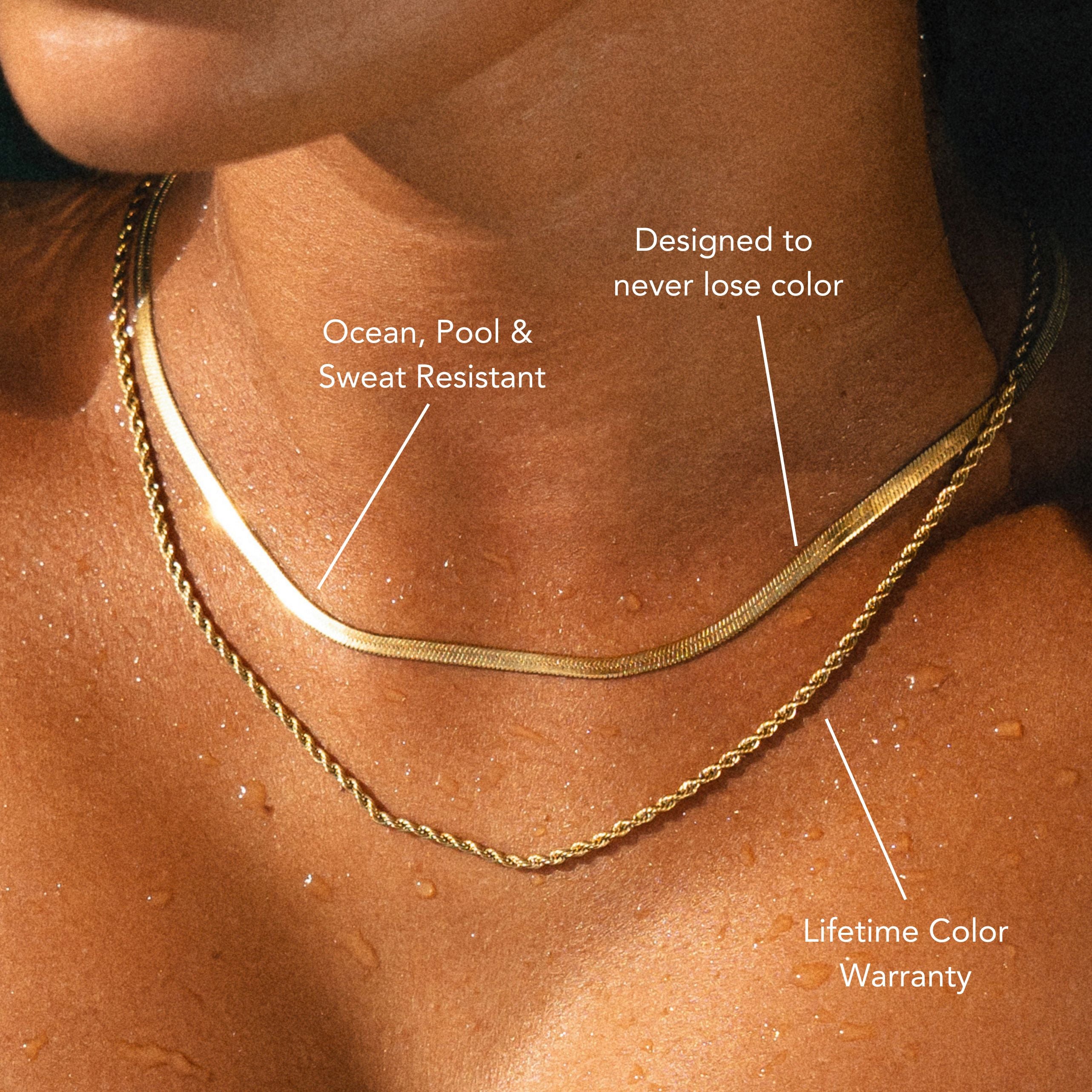
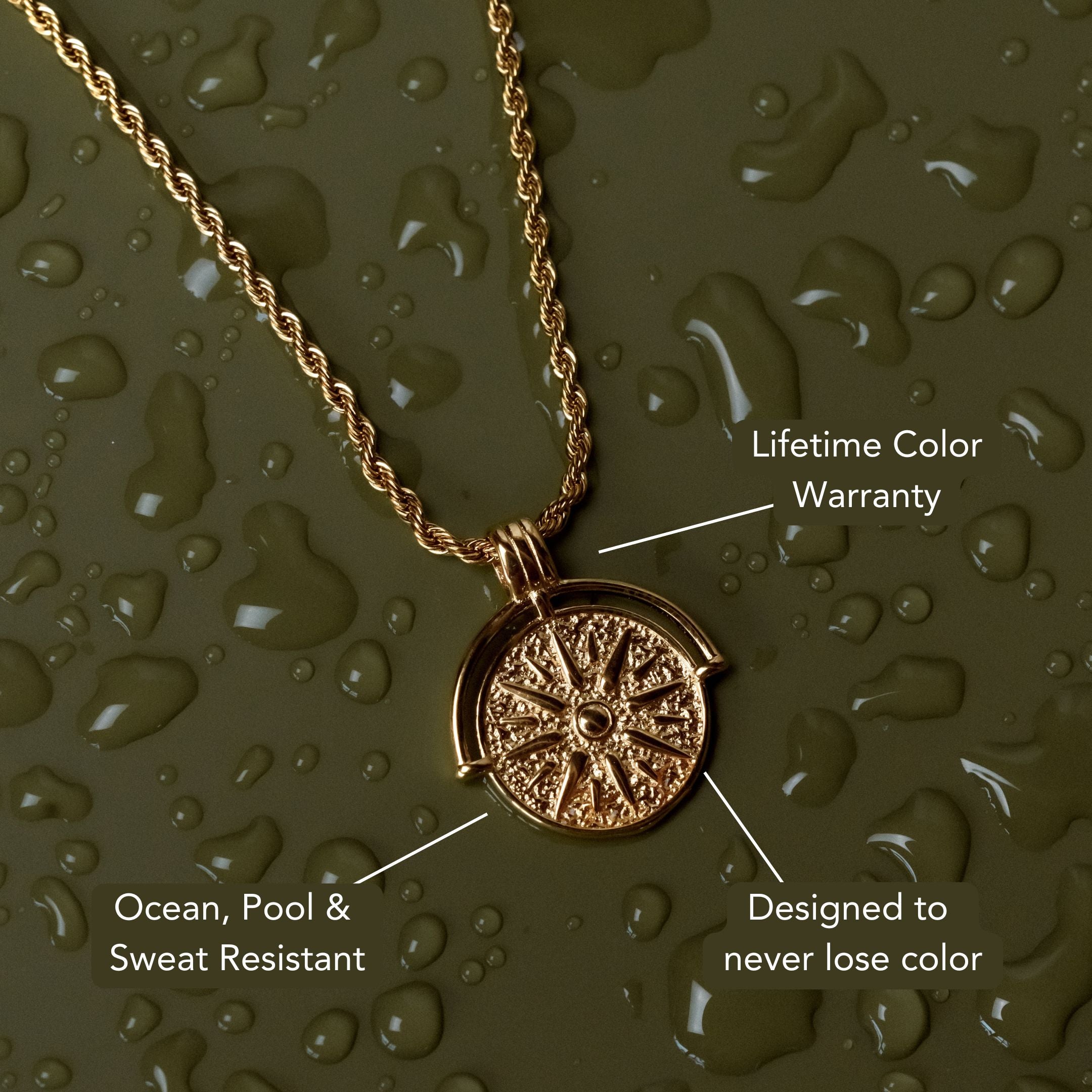
Use this expert jewelry selection guide to turn style goals into smart buying decisions by defining intended use, durability needs, and symbolic meaning—then translating them into clear specifications like dimensions, metal alloy, hardness, and clasp or setting security. Set a firm budget with a 5–10% contingency and compare total costs including customization, appraisals, and seller fees. Choose metals and gemstones based on toughness, maintenance, and everyday wearability, and always request independent grading while inspecting craftsmanship, warranties, and return policies. For pieces built to handle daily exposure without sacrificing style, explore our Waterproof Jewelry collection—then follow proven care, insurance, and resale strategies to protect long-term value.
Decide What You Want and Why
Before you start shopping, define the function, style, and constraints of the piece you want so every choice maps to a clear goal.
You’ll identify intended use (daily wear, investment, heirloom), measurable durability (metal grade, hardness), and maintenance requirements.
Assess personal style by cataloging silhouettes, finishes, and color palettes you consistently choose.
Quantify occasion significance: rank formality, frequency, and symbolic value to determine aesthetic and resilience thresholds.
Translate these factors into specifications — dimensions, clasp type, setting security, and compatibility with existing pieces.
Use objective criteria (weight, karat, gemstone hardness) to shortlist options that meet both functional and stylistic parameters.
This method reduces ambiguity and lets you compare candidates on verifiable metrics.

Set a Budget and Total Costs
When you set a budget, specify both a purchase ceiling and a target spend so you can evaluate trade-offs between quality and features quantitatively. You’ll define budgeting strategies that allocate funds to core components: gemstone quality, setting complexity, labor, taxes, and insurance.
Create a cost breakdown spreadsheet listing base price, markups, customization, appraisal, and ongoing maintenance to calculate total cost of ownership. Use scenario analysis: best-value, premium, and restraint cases with corresponding metrics (carat, clarity, certification) to compare marginal gains per dollar.
Factor liquidity constraints and contingency (typically 5–10%) for unexpected repairs or upgrades. With these controls you’ll make decisions rooted in measurable criteria rather than impulse, ensuring purchases meet defined financial and quality thresholds.
Choose the Right Jewelry Metal
Which metal best balances durability, appearance, and cost for your piece? You’ll evaluate alloy composition, surface hardness, corrosion resistance, and market price.
Compare gold vs. silver quantitatively: pure gold is soft, so 14K–18K alloys increase metal durability via copper or nickel; silver (sterling 92.5% Ag) is softer and tarnishes faster, requiring plating or maintenance.
Consider platinum for high scratch resistance and hypoallergenic properties, though cost and density rise.
Account for plating (rhodium on white gold improves abrasion resistance) and for prongs, settings, and chain gauges—thin wires need harder alloys.
Choose based on expected wear frequency: daily pieces demand higher metal durability; occasional wear can favor aesthetics or lower cost.
Document alloy stamps and warranties before purchase.

Choose Gemstones by Hardness, Care, and Meaning
Metal choice affects how a piece wears, and gemstone selection demands the same technical attention: evaluate hardness (Mohs scale), cleavage and toughness, routine maintenance, and the stone's symbolic or market value.
You should prioritize gemstone properties: hardness for scratch resistance (diamond 10, corundum 9, quartz 7), cleavage for fracture risk (e.g., fluorite), and toughness for impact resistance.
Consider routine care: chemical exposure, ultrasonic cleaning compatibility, and bezel versus prong settings to protect vulnerable stones.
Balance technical factors with symbolic meanings when relevance matters to the wearer or resale niche. Document care instructions and expected wear patterns, and choose stones whose durability matches intended use (daily wear versus occasional).
This technical approach minimizes surprise damage and preserves value.
Test and Verify Gemstone Quality
How do you confirm a stone's stated quality before committing to a purchase? You request independent gemstone grading from an accredited laboratory (GIA, AGS, or equivalent) and verify the report number against the lab database.
You examine the report for cut, color, clarity, carat, treatments, and origin statements. For on-site checks, you use a 10x loupe, polarized light, and a refractometer or spectroscope to corroborate refractive index and inclusion patterns cited in certifications.
You document provenance and any treatment disclosures for quality assurance and require written guarantees covering misrepresentation. If the seller resists independent testing or lacks traceable documentation, you decline.
Relying on objective instruments and certified reports minimizes risk and enforces transparent gemstone grading and quality assurance.
Inspect Craftsmanship and Settings
When you inspect craftsmanship and settings, focus on structural integrity and precision: check prong symmetry and tension, bezel fit, solder quality at joints, and uniformity of stone seats to guarantee stones sit squarely without gaps or excess adhesive.
You should examine craftsmanship details under magnification, confirming consistent finishes, crisp edges, and absence of burrs or tool marks. Assess setting types—prong, bezel, channel, pavé, and tension—for appropriate application to the gemstone and wear conditions.
Test prong security by gentle pressure, evaluate bezel walls for even contact, and inspect channel rails for parallel alignment. Check solder joints for full penetration and no porosity.
Document any irregularities and request corrective work or select an alternative piece when structural or setting deficiencies are present.
Verify Warranties, Certifications, and Return Policies
Start by confirming the full scope and duration of any warranty, certification, and return policy before you commit to a purchase: note what components (stones, settings, plating, mechanical parts) are covered, whether coverage is for defects only or includes wear and tear, the length of the coverage period, and any actions (registration, periodic servicing) required to maintain protection.
You should perform warranty verification by obtaining written terms, exclusions, transferability, and claim procedures.
Verify certification importance by confirming lab name, report number, and scope (grading, treatments, origin).
Check return-policy windows, restocking fees, and condition requirements for refunds or exchanges.
Preserve receipts, serial numbers, and certification documents; document the item with dated photos to streamline any future claims.

Buy Smart: Online vs. In‑Store Strategies
Having confirmed warranties, certifications, and return terms, you can evaluate whether to buy online or in person by comparing risk, cost, and verification capabilities.
For online shopping, quantify seller reputation, independent lab reports, high-resolution imagery, and secure payment/return logistics; calculate total landed cost including shipping, taxes, and insured transit.
For an in store experience, prioritize direct gem inspection with calibrated loupe, lightbox consistency, immediate certification review, and negotiation leverage on service fees.
Balance liquidity risk: online listings may offer broader selection and lower overhead but require reliance on documentation and courier integrity; stores give tactile verification and instant recourse but often higher premiums.
Choose the channel that minimizes uncertainty for your priority metrics: documentation fidelity, inspection control, and net acquisition cost.
Protect Value: Care, Insurance, and Resale Tips
Although proper maintenance requires discipline, you can materially preserve a piece’s market value by following targeted care, insurance, and resale practices.
You should implement a routine jewelry maintenance protocol: clean using approved solutions, store pieces in humidity-controlled, nonabrasive compartments, and document condition changes with dated photographs and measurements.
For insurance, obtain itemized appraisals from certified gemologists, confirm policy terms for replacement versus cash settlement, and update coverage after repairs or upgrades.
To maximize resale proceeds, retain original paperwork, certificates, and provenance; choose auction houses or specialized dealers with transparent fee schedules; and time sales to market cycles that favor value appreciation for specific gems or metals.
Consistent documentation and professional servicing minimize depreciation and support accurate valuation.
Frequently Asked Questions
How Do Metal Allergies Affect Ring Sizing and Comfort?
Metal sensitivity alters comfort and sizing needs: you’ll swell or itch, requiring hypoallergenic alloys or coatings. Ring adjustments must avoid reactive metals; resizing can expose base metals, so choose stable materials and precise adjustment techniques.
Can Lab-Grown Gemstones Be Traced to a Specific Manufacturer?
Yes — you can often trace lab-grown gemstones to a manufacturer via documentation, laser inscriptions, and proprietary growth signatures; maintaining gemstone authenticity demands manufacturing transparency, calibrated instruments, and certified chain-of-custody records for definitive attribution.
How Does Cultural Symbolism Influence Gemstone Choice?
Cultural significance guides your gemstone choice: communities prioritize colors, motifs, ritual uses; gemstone beliefs assign meanings and protections, so you’ll select stones that align with identity, ceremony, social norms, and perceived metaphysical efficacy.
What Environmental Certifications Exist for Mined Gemstones?
You can use certifications like the Responsible Jewellery Council, Fairtrade Gold (extended to gems), and ISO 14001 audits; they verify sustainable mining and ethical sourcing practices, chain-of-custody tracking, and environmental management compliance for mined gemstones.
Can Smart Jewelry Integrate With Health Apps or Devices?
Yes — you can integrate smart jewelry with health apps and devices: smart features enable Bluetooth, BLE sensors, and APIs for health tracking, syncing biometric data (heart rate, steps, sleep) to companion apps or cloud services for analytics and alerts.
Conclusion
You'll leave better prepared to buy wisely: define your goals, set a realistic budget including ancillary costs, and select metals and gems based on hardness, maintenance, and intended use. Verify gemstone quality with accepted grading criteria, inspect settings for durable craftsmanship, and confirm warranties, certifications, and return policies. Choose purchasing channels strategically, then protect value via appropriate care, insurance, and resale documentation. These disciplined steps minimize risk and preserve long‑term worth.






コメントを書く
このサイトはhCaptchaによって保護されており、hCaptchaプライバシーポリシーおよび利用規約が適用されます。