

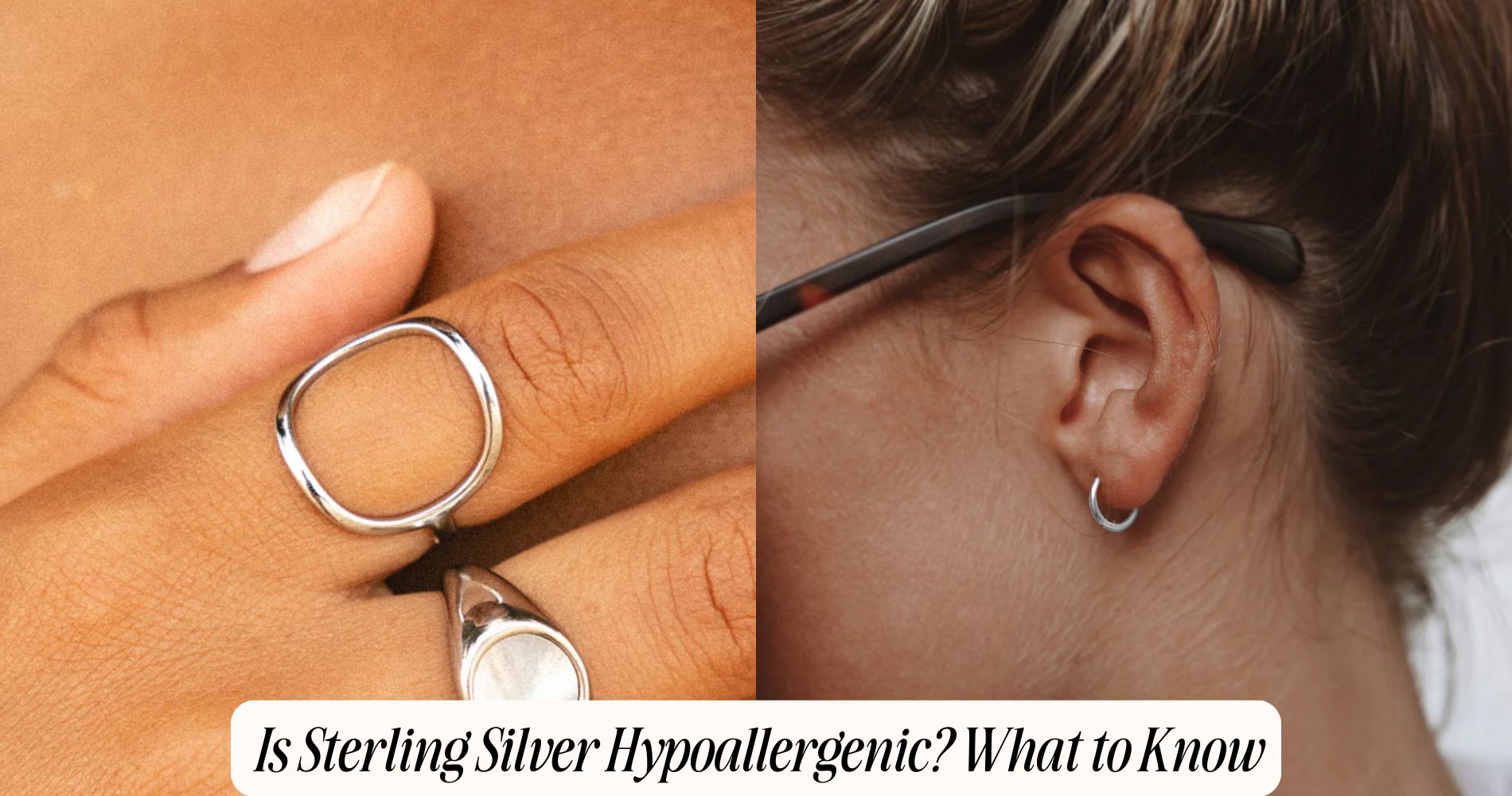
Is Sterling Silver Hypoallergenic? What to Know
Is sterling silver hypoallergenic? Sterling silver is generally well tolerated, but it isn’t strictly hypoallergenic because it contains about 7.5% alloy metals—most commonly copper or sometimes nickel—that can release ions and trigger contact dermatitis in sensitive skin. Pure silver rarely causes reactions; irritation usually comes from the alloy mix, corrosion, or worn plating. You can minimize risk by testing new pieces, limiting continuous wear, using barrier creams, or choosing higher-purity or alternative metals. For skin-friendly options designed for comfort, explore our Hypoallergenic Jewelry collection—then continue below for ways to identify and manage reactions effectively.
Is Sterling Silver Hypoallergenic?
Although many people assume sterling silver is hypoallergenic, it often isn't: sterling silver is an alloy composed of about 92.5% pure silver and 7.5% other metals (typically copper), and those alloying metals—most commonly copper, sometimes nickel—are the usual triggers for contact dermatitis.
You should understand sterling silver properties objectively: the high-purity silver fraction is rarely allergenic, but the alloyed fraction can release ions in perspiration or when worn against compromised skin.
If you have documented metal allergy or unexplained dermatitis at contact sites, clinicians recommend patch testing to identify specific sensitizers.
You’ll find that management focuses on avoidance of identified triggers, barrier methods, and selecting alternative metals with low corrodibility to reduce ion release and skin sensitivity.

Why Sterling Silver Can Still Cause Skin Reactions
Because sterling silver contains about 7–8% other metals, it can release allergenic ions when it contacts sweat, heat, or broken skin.
Those ions—not the silver itself—are usually what trigger contact dermatitis. You should understand that individual skin sensitivity factors (genetic predisposition, prior sensitization, and barrier integrity) determine whether exposure produces erythema, itching, or vesiculation.
Corrosion and abrasion increase ion release; prolonged wear and occlusion raise local temperature and moisture, accelerating reactions.
A targeted jewelry composition analysis can identify nickel, copper, or other sensitizers in an alloy batch, informing clinical assessment and avoidance.
In practice, manage reactions by removing the item, documenting symptoms, and considering patch testing to confirm specific metal allergens.
Is Your Rash From Silver, Copper, or Plating?
How can you tell whether your rash comes from the silver itself, the copper in the alloy, or a plated coating? Evaluate timing, distribution, and history.
Silver allergies are uncommon; if reactions appear only where sterling contacts skin and onset is delayed (48–72 hours), consider allergic contact dermatitis to a component.
Copper-sensitive metal reactions often cause green staining and localized irritation; symptoms can be similar but may appear sooner.
Plated coatings (rhodium, nickel, or base metals under plate) can flake or expose underlying metal, producing acute irritation or accelerated dermatitis.
You should note whether symptoms worsen with moisture, sweat, or new pieces.
Clinical patch testing is the diagnostic standard to differentiate true allergy from irritant or corrosion‑related reactions; consult dermatology for accurate identification and management.

3 At‑Home Tests to Check Jewelry Sensitivity
When you suspect jewelry is causing a skin reaction, a few simple at‑home tests can help distinguish between contact allergy, metal corrosion, and surface plating failure before you see a dermatologist.
First, perform a clean contact test: wash the area, wear the suspect item against intact skin for 24 hours under a breathable barrier, and observe for delayed erythema or vesiculation; immediate redness suggests irritation or corrosion.
Second, do a salt‑sweat challenge: moisten the metal with saline, leave for several hours, then inspect for green or black deposits indicating copper corrosion or plating breakdown.
Third, compare reactions with a known inert control (surgical stainless steel).
These procedures support preliminary skin testing and inform jewelry care prior to formal patch testing.
How to Reduce Irritation From Sterling Silver
If you’re getting irritation from sterling silver, take steps that target the likely causes—skin contact with copper in the alloy, surface tarnish, and trapped moisture—to reduce reactions quickly and reliably.
First, clean jewelry routinely: wipe with a soft cloth after wear and use mild, nonabrasive cleaners to remove tarnish that can increase skin reactivity. Dry pieces thoroughly before storing to prevent moisture‑mediated corrosion.
Second, modify skin care: apply a thin barrier—unscented emollient or medical-grade barrier cream—on contact areas to reduce metal exposure; allow products to fully absorb before donning jewelry.
Third, rotate and limit continuous wear to let skin recover and to lower cumulative exposure.
Fourth, consider clear protective coatings applied professionally to isolate metal.
Combine jewelry maintenance and skin care for measurable reduction in irritation.
How to Buy Low‑Risk Sterling Silver Jewelry
Reducing irritation through cleaning, barriers, and limited wear is effective, but your best preventive step is choosing pieces that minimize exposure to reactive components from the outset.
Inspect hallmarks: require .925 for sterling and look for additional stamps indicating enhanced plating (rhodium) or nickel-free claims. Favor designs with minimal skin contact—thin bands or openwork reduce trapped moisture and corrosion.
Ask retailers for metal composition reports or certificates; documented assays are more reliable than verbal claims. If you follow trendy styles, verify surface treatments since plating can wear and expose base alloys.
Use budget tips: prioritize verified low-contact pieces over expensive decorative plating that will degrade. Retain receipts and test small areas for discoloration within return windows.

Best Alternative Metals for Very Sensitive Skin
For extremely sensitive skin, choose metals with well-documented low reactivity—medical-grade titanium, implant-grade stainless steel (ISO 5832/ASTM F138), niobium, and high-karat gold alloys are the safest options.
You should prioritize titanium jewelry and surgical stainless options certified for implant or medical use because clinical data show minimal contact dermatitis rates.
Niobium is inert, nonmagnetic, and often anodized without reactive residues; it's appropriate when metal ion release is a concern.
High-karat gold (18K+) reduces alloyed nickel exposure but still varies by maker, so request assay or trace-metal reporting.
Avoid base-metal plated or unknown-alloy pieces.
When choosing, verify standards compliance, request manufacturer test results for nickel and cobalt release, and consult dermatology-tested labels to minimize allergic risk.
Quick Fixes If a Necklace or Bracelet Gives You a Rash
When a necklace or bracelet causes redness, itching, or blistering, stop wearing it immediately and gently cleanse the area with mild soap and water to remove any residual metals, sweat, or topical irritants.
After cleaning, apply a cold compress to reduce inflammation and consider a 1% hydrocortisone cream for short-term relief if you’re not allergic to topical steroids.
Monitor for infection—seek care if you see spreading redness, pus, or systemic symptoms.
For subsequent wear, test metals on a small, clean skin area for 48–72 hours. Use clear barrier methods like liquid bandage or transparent nail polish on contact surfaces to limit metal exposure.
Maintain routine jewelry maintenance to remove tarnish and residues. Integrate skin care steps before and after wear to minimize recurrence.
Frequently Asked Questions
Can Sterling Silver Cause Long-Term Skin Discoloration?
Sterling silver rarely causes permanent discoloration; you’ll usually see temporary staining from silver tarnish or minor irritation that fades with skin healing. Persistent discoloration suggests allergy or pigment change—consult a clinician for evaluation.
Is Age-Related Skin Sensitivity Different for Silver Reactions?
Yes — age can alter skin sensitivity, so you may develop or reduce silver allergies over time; immune changes, cumulative exposure, and thinner epidermis in elderly people influence reaction likelihood and severity, warranting periodic reassessment.
Can Topical Medications Interact With Silver Jewelry?
Yes — topical interactions can occur: you’ll see medication effects like discoloration, corrosion, or increased skin irritation from creams reacting with silver alloys; monitor treated areas, avoid wearing jewelry during application, and consult your clinician.
Do Climate and Humidity Affect Silver-Induced Rashes?
Yes — climate effects and humidity impact silver-induced rashes: you’ll experience increased corrosion and skin irritation in hot, humid conditions, while dry climates reduce ion release; manage exposure and keep skin and jewelry clean to minimize reactions.
Are Hypoallergenic Coatings Permanent on Sterling Silver?
No — hypoallergenic coatings on silver jewelry aren’t permanent; they wear over time with abrasion, chemicals, and sweat, so you’ll need periodic reapplication or replacement to maintain barrier integrity and reduce allergic reactions.
Conclusion
Sterling silver is generally low‑risk, but it isn’t universally hypoallergenic. If you’ve reacted, the cause is often copper content, nickel contamination, or surface plating rather than elemental silver. Confirm the trigger with simple at‑home tests and patch testing, then switch to higher‑purity silver, rhodium‑plated pieces, or alternative metals (titanium, platinum) as needed. Manage symptoms promptly with topical barrier creams and avoid further exposure until irritation resolves.






コメントを書く
このサイトはhCaptchaによって保護されており、hCaptchaプライバシーポリシーおよび利用規約が適用されます。