


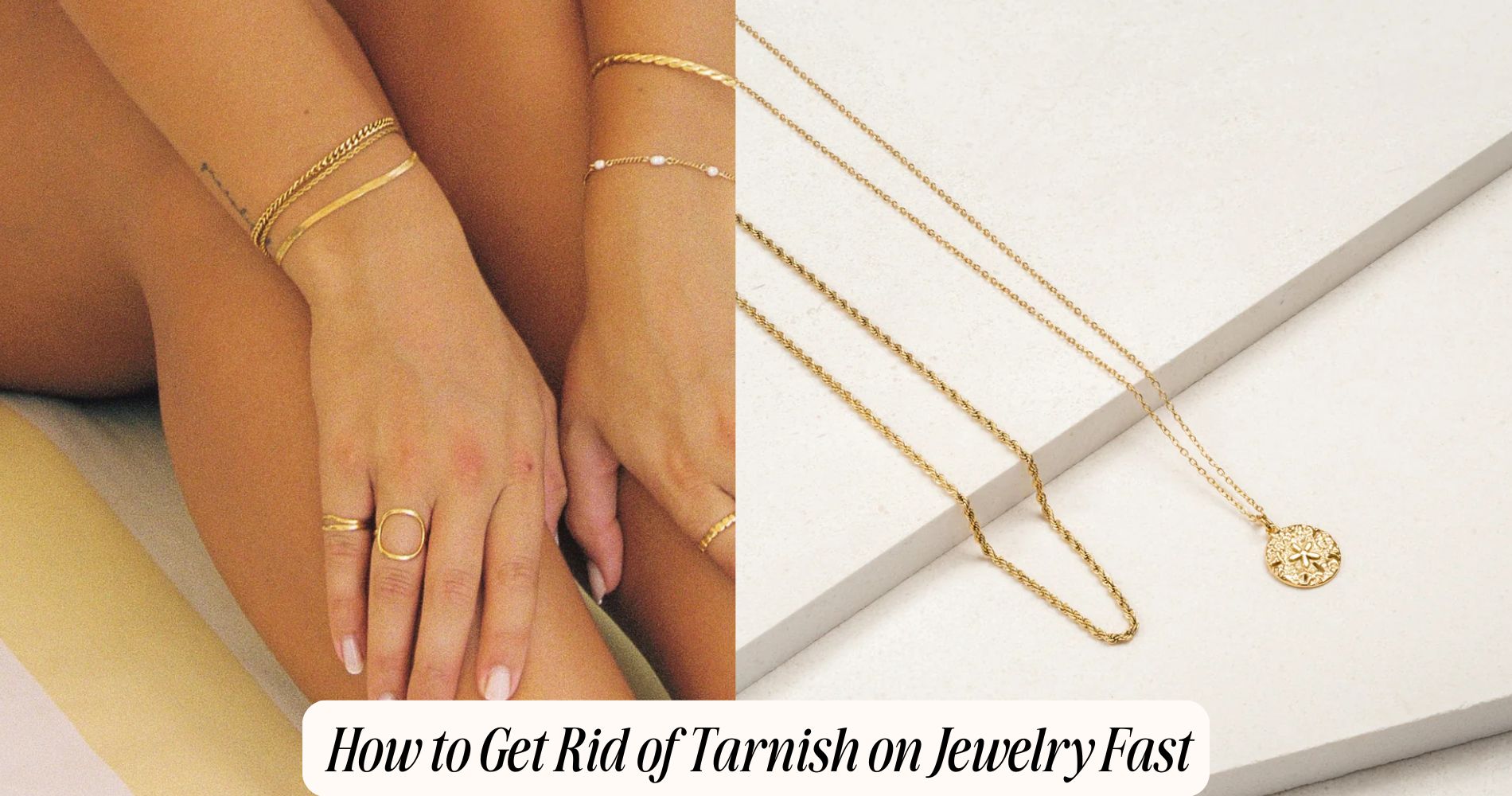
How to Get Rid of Tarnish on Jewelry Fast
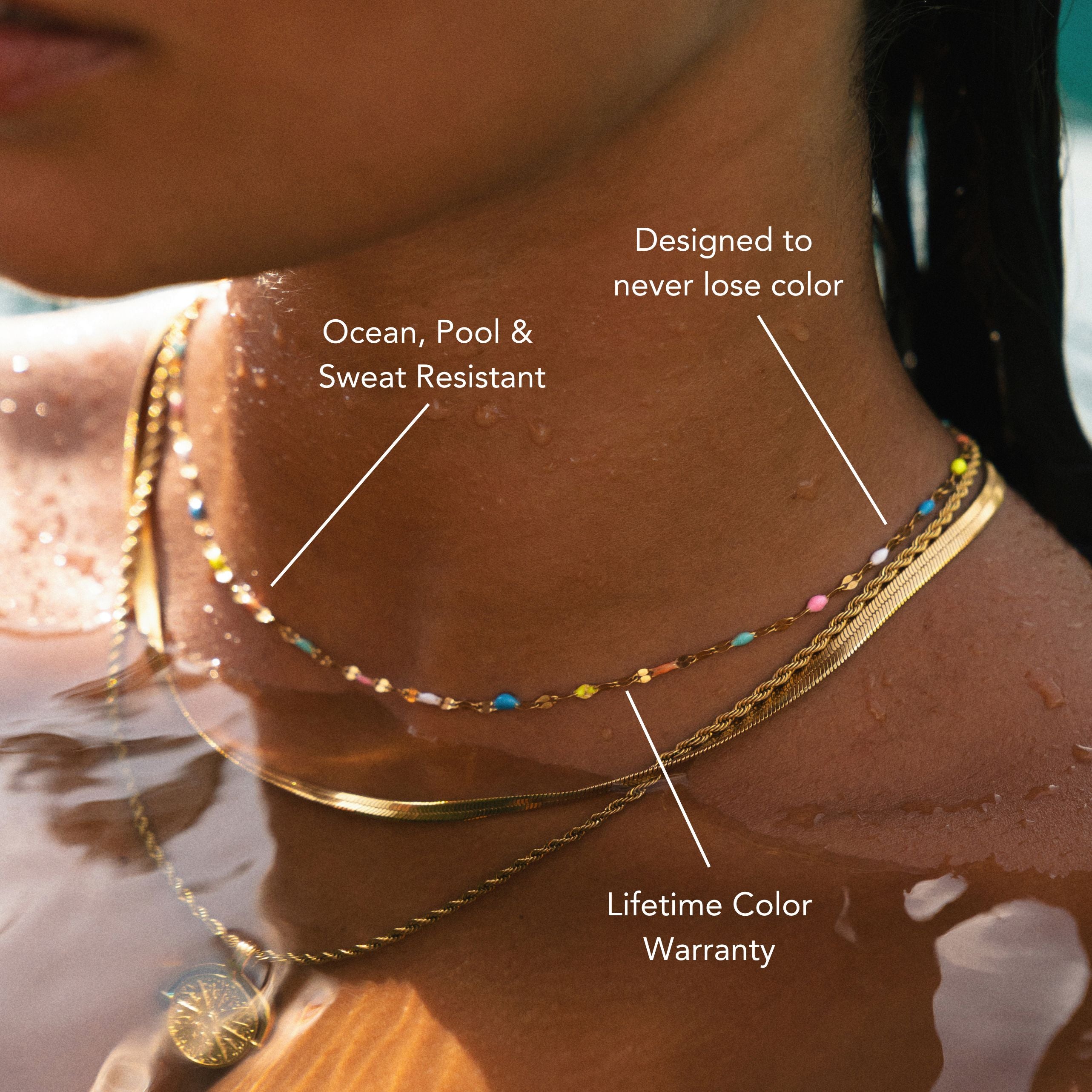
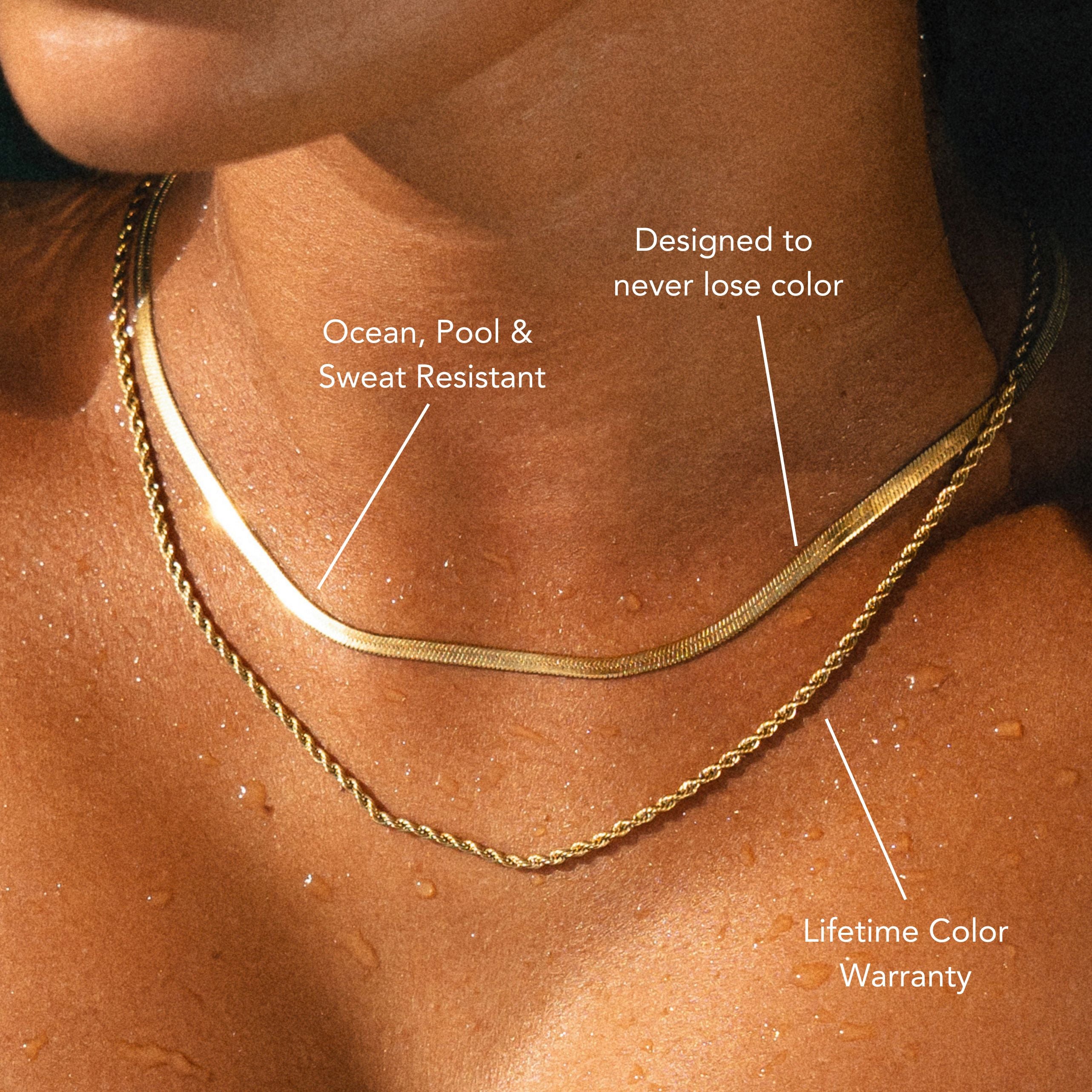
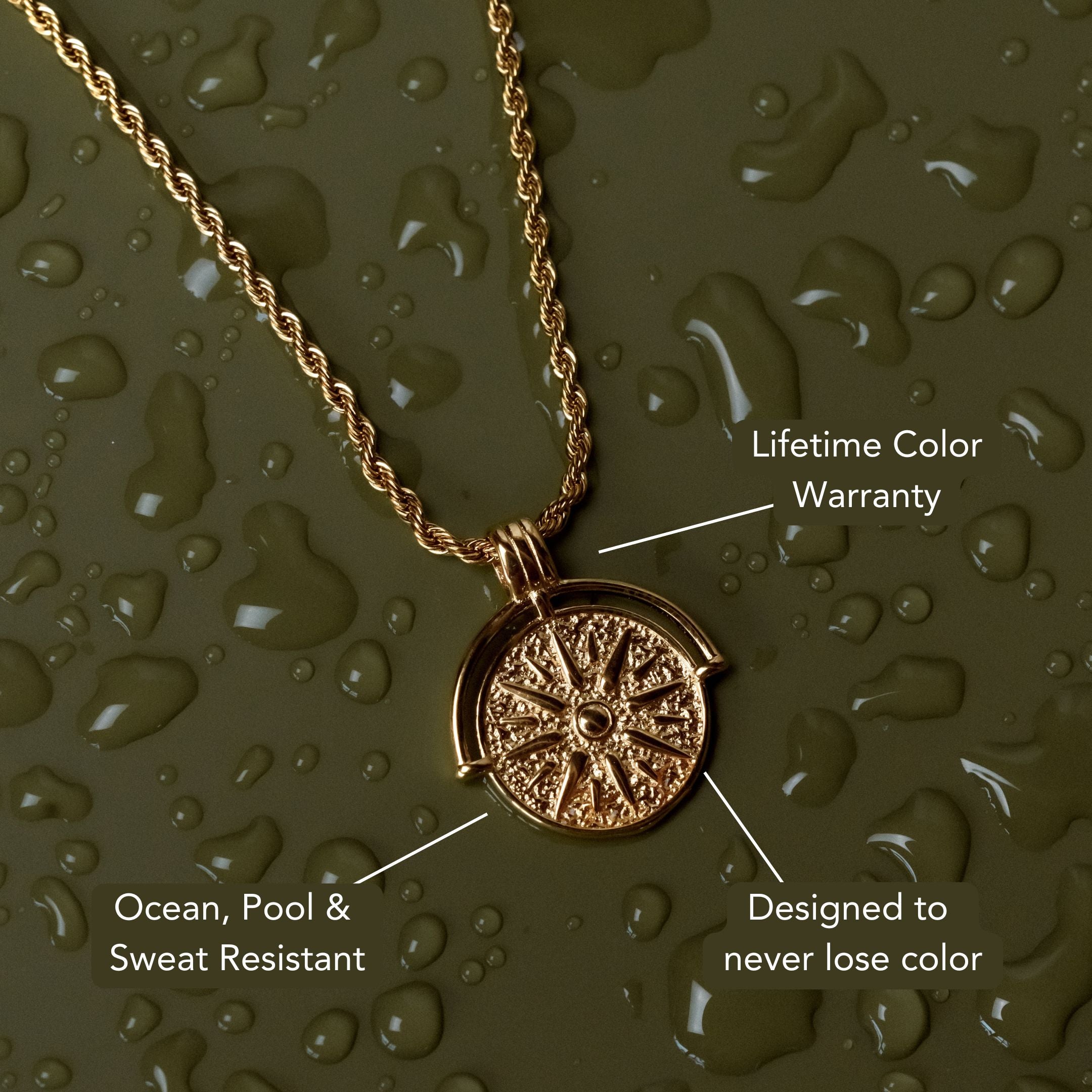
How to get rid of tarnish on jewelry? You can remove tarnish fast by matching the method to the metal: for sterling, soak 2–5 minutes in warm soapy water, rinse, then polish with a soft cloth; for heavier silver tarnish use a silver cleaner briefly and follow directions; for gold-plated or filled pieces, gently wipe with a mild soap solution and avoid soaking; for brass or copper, use a baking-soda paste, rub gently, rinse and dry immediately—care steps that help maintain the lasting shine of pieces from Atolea’s Tarnish-Free Jewelry collection. Follow precautions for stones and finishes, and keep going to learn safe tips.
Quick Fixes: Remove Tarnish From Jewelry in 5–10 Minutes
If you need a fast, reliable fix, start with methods you can do in 5–10 minutes: gentle polishing with a soft cloth, a quick soak in warm soapy water, or using a commercial jewelry wipe designed for the metal in question.
You’ll inspect the piece, then pick a cautious approach: for mild tarnish, try toothpaste cleaning applied with a soft-bristle brush, rinsing thoroughly.
For tougher spots on non-porous metals, make a small baking soda paste to rub gently, then rinse.
If safe for the alloy, a short vinegar solution dip can lift oxidation—limit exposure and neutralize with water immediately.
For intricate items, line a bowl with aluminum foil, add hot water and a pinch of baking soda for a brief electrochemical lift.
Always dry and re-evaluate.
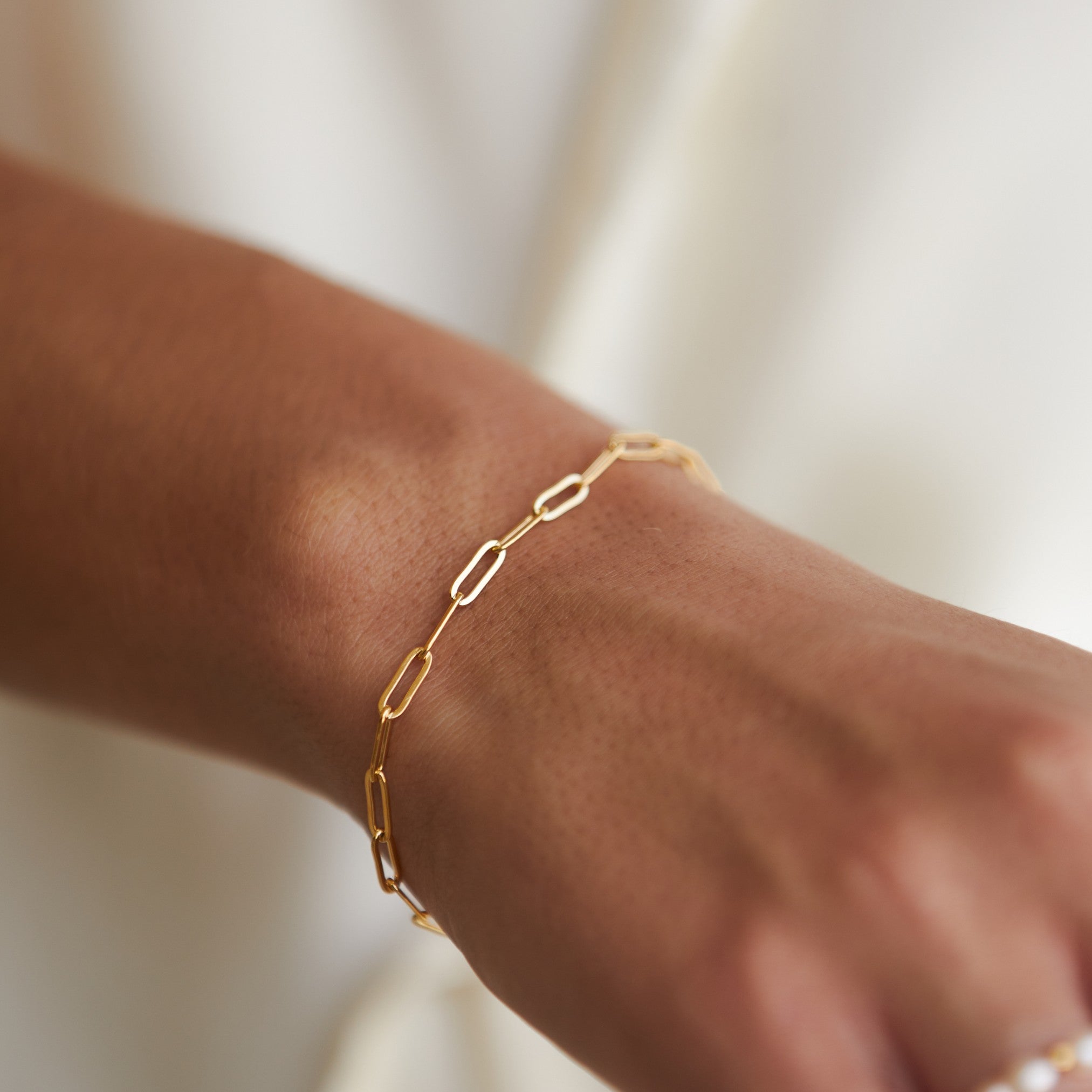
Tell Silver vs. Costume Jewelry: 3 Fast Tests
After you’ve tried quick cleaning, take a moment to identify whether the piece is real silver or costume jewelry—knowing the material guides both cleaning and storage.
First, check markings: look for “925,” “Sterling,” or a maker’s stamp; these indicate silver properties and authenticity.
Second, do a magnet test: hold a small magnet near the piece—if it’s strongly attracted, it’s likely base metal used in costume jewelry; weak or no attraction suggests silver.
Third, perform a subtle acid-free test: rub an inconspicuous spot with a jeweler’s cloth and inspect color transfer—black residue usually signals real silver, while flaking or colored residue points to plated or costume durability.
Proceed cautiously; when unsure, consult a pro before aggressive cleaning.
Sterling Silver: Clean Safely (Methods & Timing)
When treating sterling silver, work gently and deliberately to avoid scratching or removing the thin layer of metal alloy that gives it value and luster.
Start by evaluating pieces for stones or hollow parts; those may need different care.
For light tarnish, prepare a mild soaking solution (warm water with a drop of gentle dish soap) and submerge for two to five minutes; rinse immediately and pat dry.
For heavier tarnish, use a silver-specific cleaner briefly, following product timing precisely, then rinse. Always dry thoroughly.
Finish with a soft polishing cloth, moving in straight, even strokes rather than circular scrubs.
Store cleaned items in anti-tarnish pouches.
If unsure, test a hidden area first or consult a jeweler to avoid irreversible damage.
Gold‑Plated & Filled Jewelry: Gentle, Safe Cleaning
Although gold-plated and gold-filled pieces look similar, they need gentler care because their thin gold layers can wear away with harsh cleaning; treat them as delicate and clean only with mild, nonabrasive methods.
You’ll start by removing dirt with a soft, lint-free cloth and lukewarm water mixed with a drop of mild dish soap. Dip the cloth, wring it well, and wipe gently—don’t soak. Rinse with a damp cloth, then pat dry immediately to prevent water spots.
For chains and settings, use a soft-bristled brush sparingly. Avoid ultrasonic cleaners, ammonia, and abrasive polishes that strip plating.
Store pieces separately in fabric pouches to minimize friction. Follow these gold plated care and filled jewelry maintenance steps to preserve finish and extend wear.

Clean Brass, Copper & Costume Jewelry Without Damage
1 simple routine will keep brass, copper, and costume jewelry clean without risking damage: inspect each piece for loose stones, glued components, or flaky plating, then remove surface dirt with a soft, dry brush before any liquid cleaning.
Work on a padded surface, separate pieces, and test a small hidden area first.
For brass polishing, use a mild, nonabrasive commercial cream or a paste of baking soda and water applied gently with a soft cloth; rinse quickly and dry thoroughly.
For copper care, dilute mild dish soap in warm water, swish briefly, then pat dry immediately to prevent spotting.
Avoid soaking costume pieces; instead dab damp cotton into crevices.
Store items dry and handled minimally until fully cooled and dry.
Tarnish Removal Mistakes to Avoid + Simple Prevention Tips
Because a single misstep—harsh abrasives, prolonged soaking, or ignoring loose settings—can do permanent damage, you should remove tarnish with care and clear procedures in mind.
Inspect pieces first: check stones, prongs, and plating before any cleaning. Don’t use toothpaste, baking soda pastes, or rough brushes on soft metals or plated items; they abrade finishes.
Limit soaking time and rinse thoroughly to stop chemical action. Test any cleaner on an inconspicuous spot. Wear gloves and work over a soft towel to prevent drops.
After cleaning, dry completely and apply a thin protective layer when appropriate. Store jewelry individually in anti-tarnish pouches or lined boxes.
Use these tarnish prevention tips and jewelry storage solutions to reduce future maintenance and preserve value.

Frequently Asked Questions
How Often Should I Professionally Replate Gold‑Filled Pieces?
You should replate gold‑filled pieces only when wear appears, typically every 5–10 years; monitor replating frequency closely, practice diligent gold filled care, avoid harsh chemicals, and seek professional assessment to determine timing and method.
Can Ultrasonic Cleaners Damage Gemstones?
Yes — ultrasonic cleaning can damage some gems; you should assess ultrasonic cleaning and gemstone safety, avoid fragile stones (opal, emerald, pearls), test settings, and use gentler methods for delicate or fracture‑filled specimens.
Is Tarnish Harmful to Skin or Health?
Tarnish effects aren’t usually harmful, but it can cause skin irritation for some people if corroded metals contact sweat or broken skin. You should remove tarnished pieces, clean them carefully, and avoid prolonged skin contact.
Will Lacquer Coatings Stop Tarnish Permanently?
No, lacquer coatings won’t stop tarnish permanently; with careful lacer application you’ll get good short-term protection, but long term effectiveness varies with wear, environment, and coating quality, so you’ll need reapplication and monitoring.
How Should I Store Heirloom Jewelry Long‑Term?
Store heirloom jewelry in clean, padded, airtight containers, separate pieces to avoid scratching, use anti-tarnish strips, control humidity around 40%, label contents, inspect periodically, and document provenance—this preserves condition and supports careful heirloom care and jewelry storage.
Conclusion
You’ve got quick, safe options to remove tarnish without risking damage. Test metal type first, then choose a method suited to sterling, gold‑plated/filled, brass/copper, or costume pieces. Work gently, use mild cleaners and soft cloths, and avoid abrasive scrubbing or harsh chemicals. Rinse and dry thoroughly, store pieces to limit future tarnish, and recheck regularly. When in doubt, stop and consult a jeweler to prevent irreversible harm.









コメントを書く
このサイトはhCaptchaによって保護されており、hCaptchaプライバシーポリシーおよび利用規約が適用されます。