

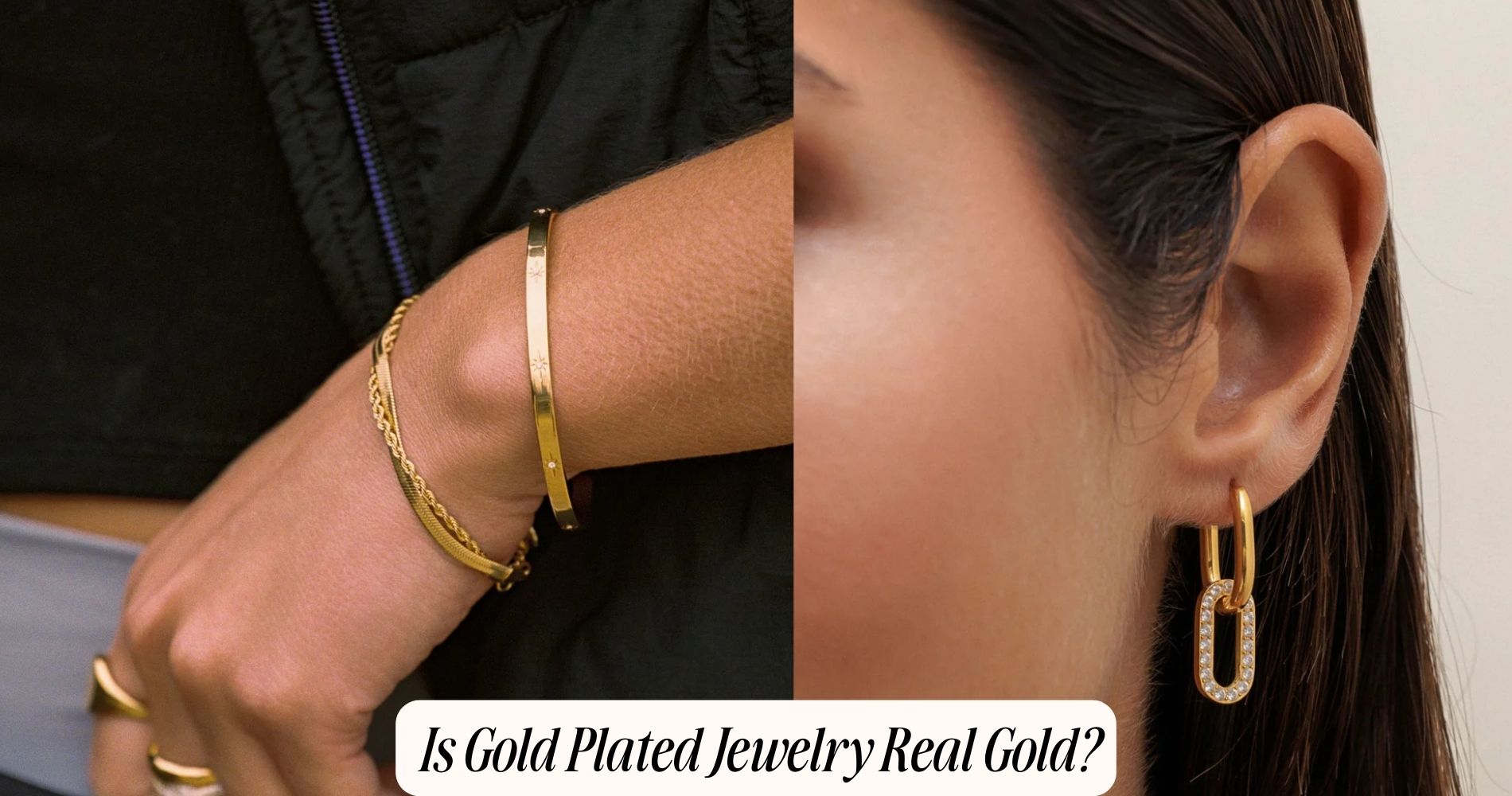
Is Gold Plated Jewelry Real Gold?
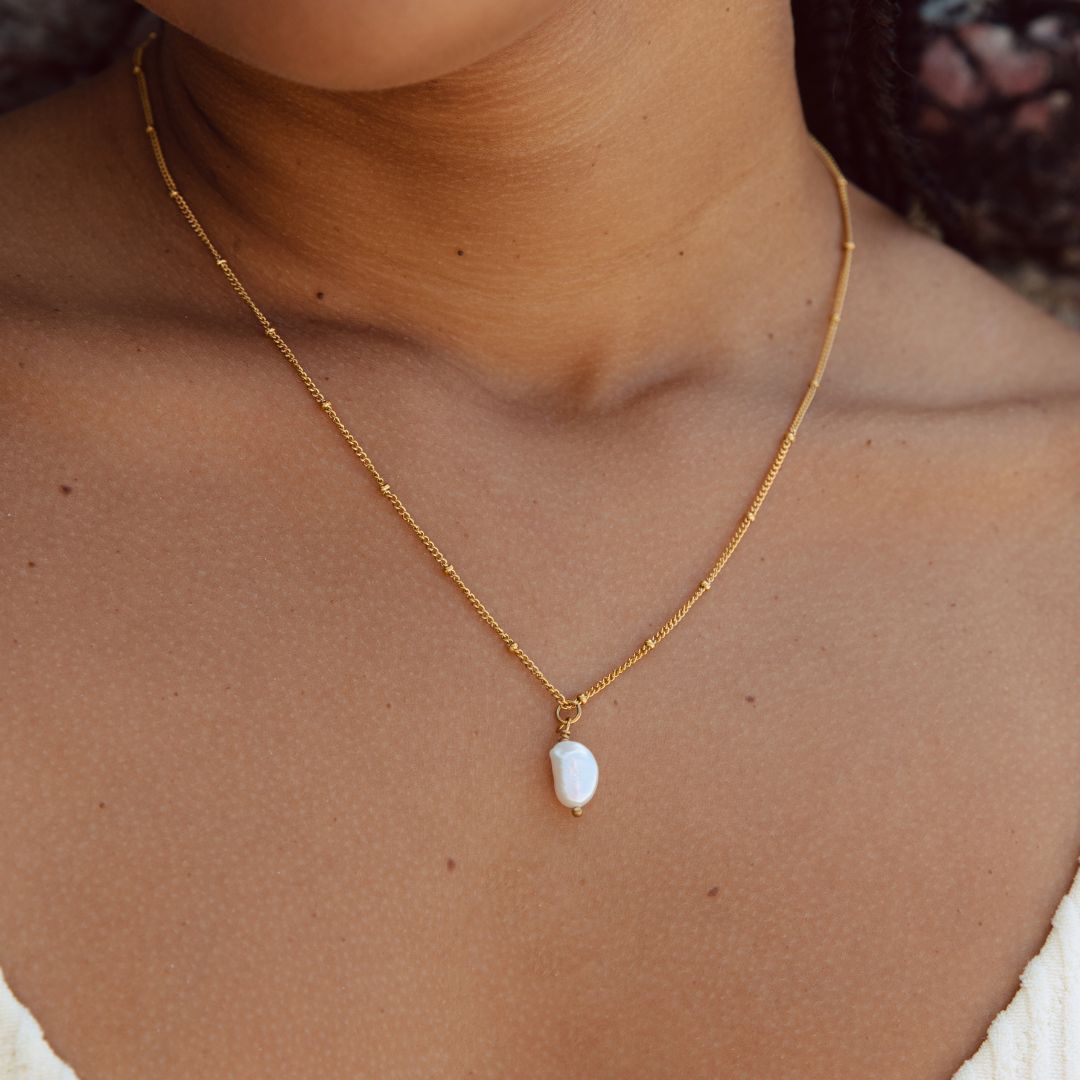
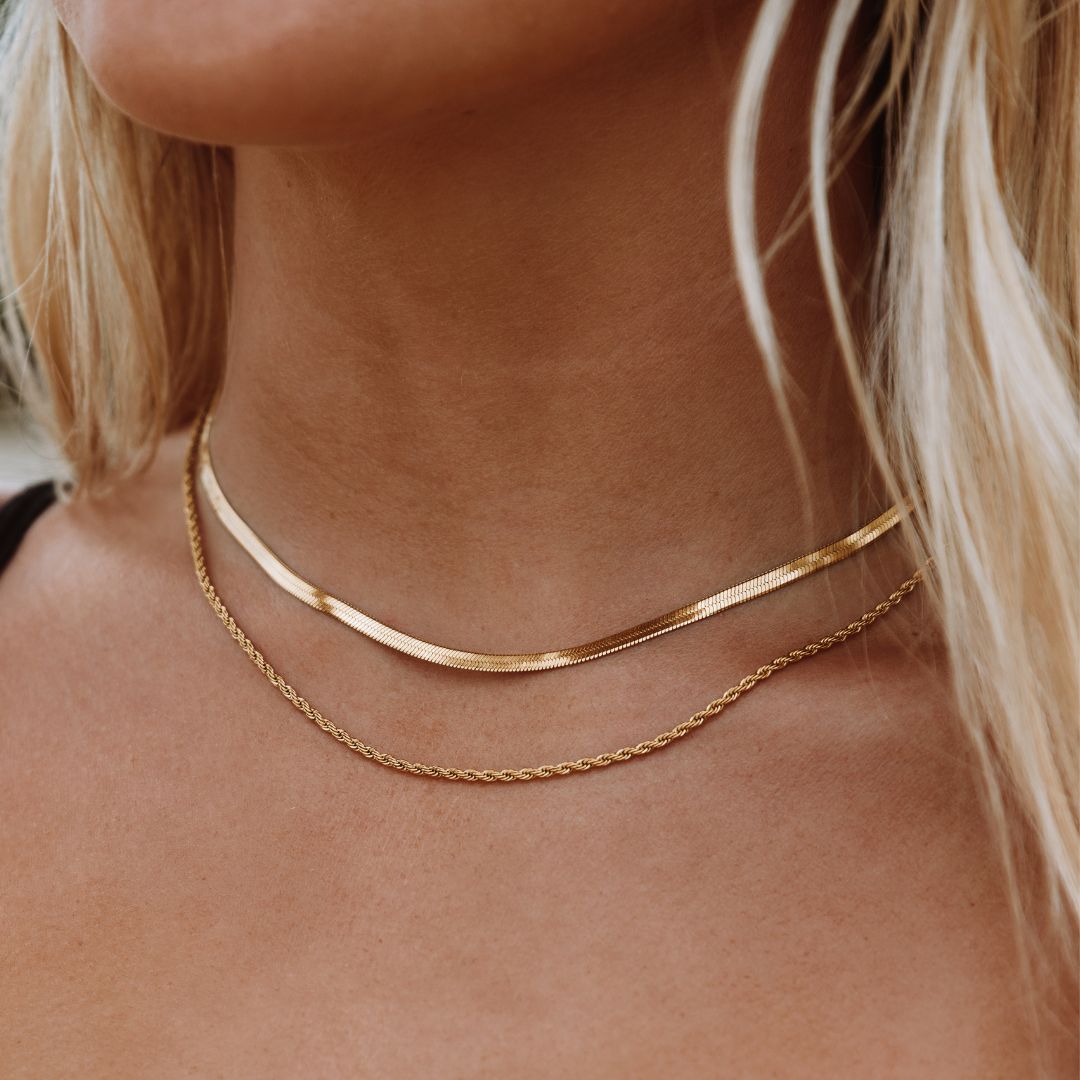
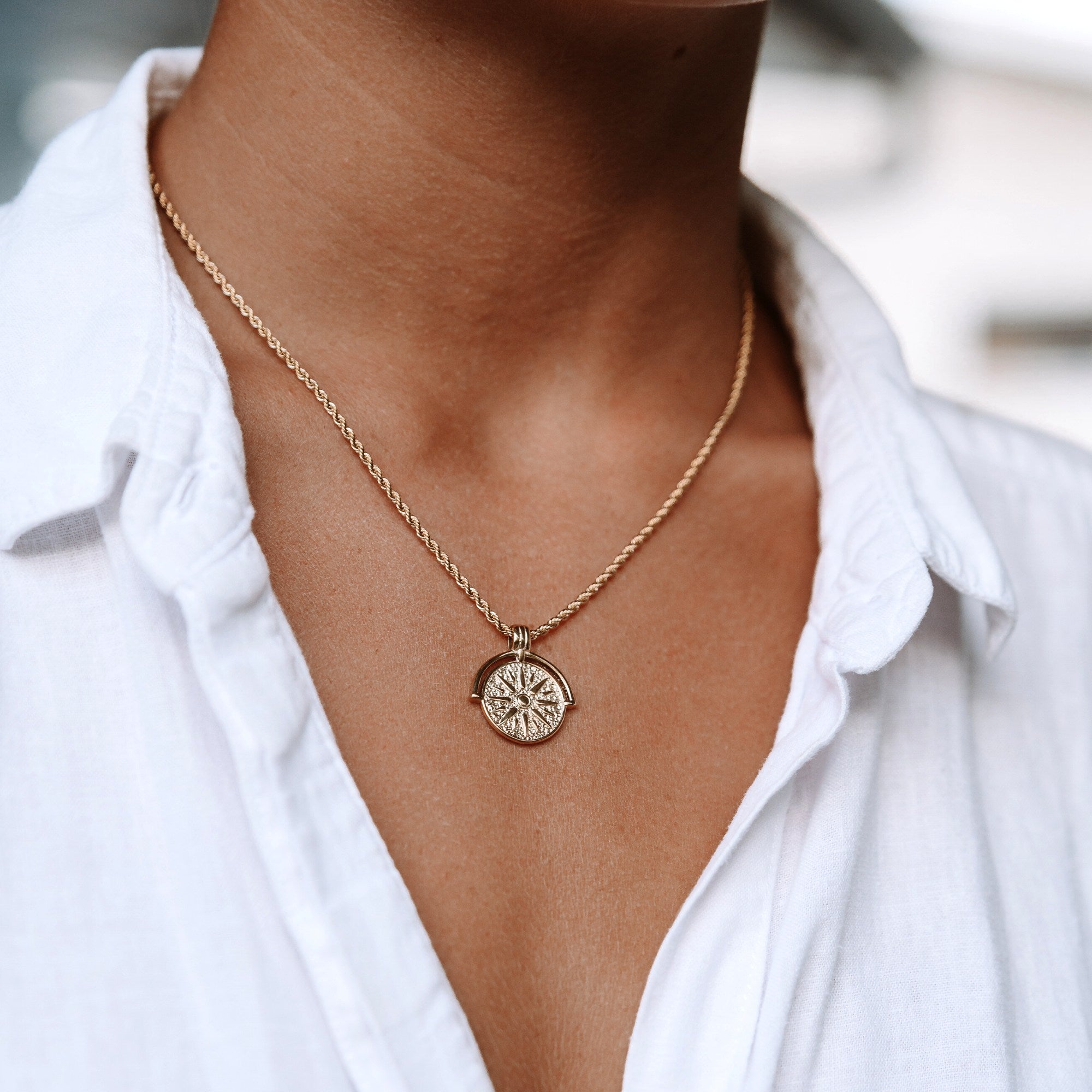
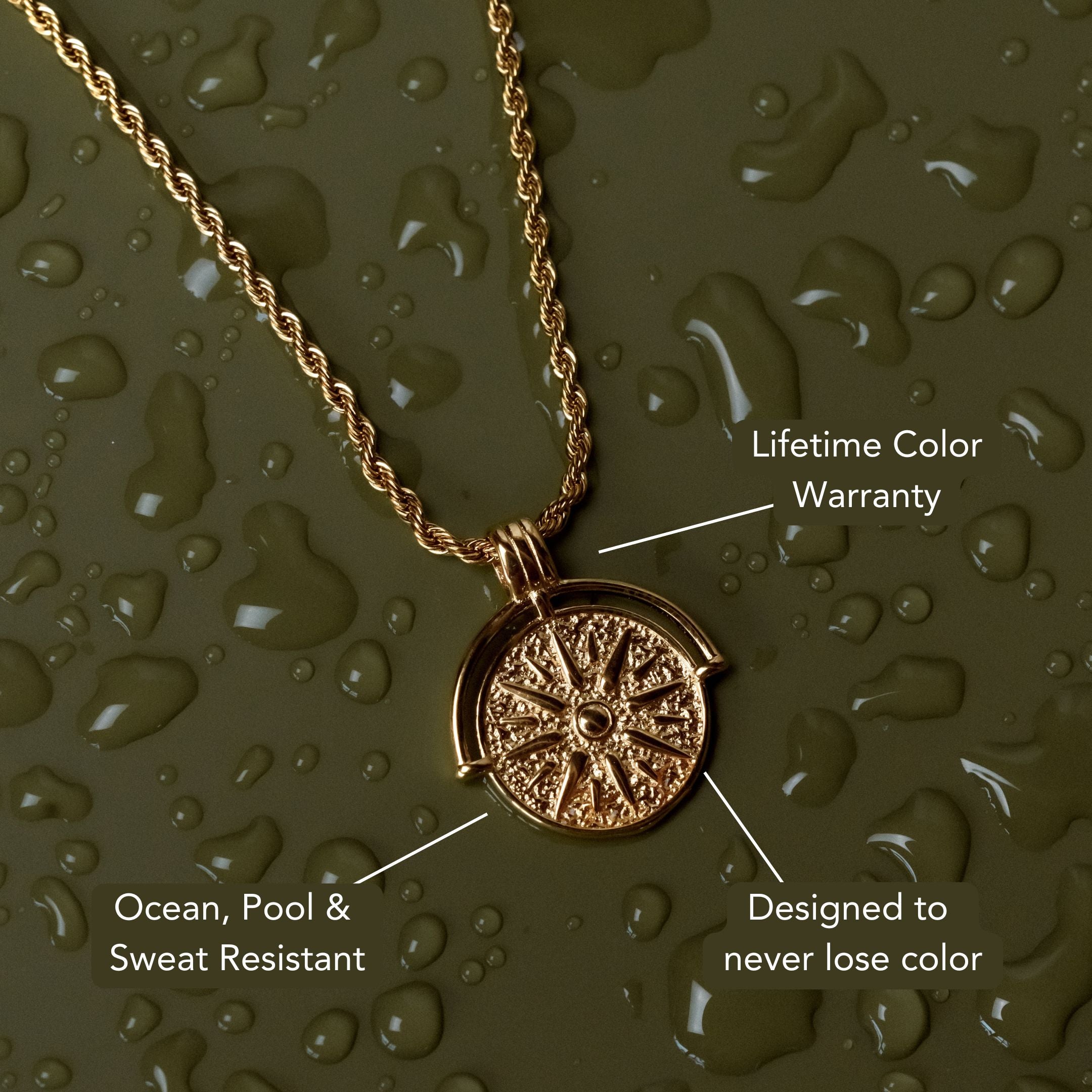
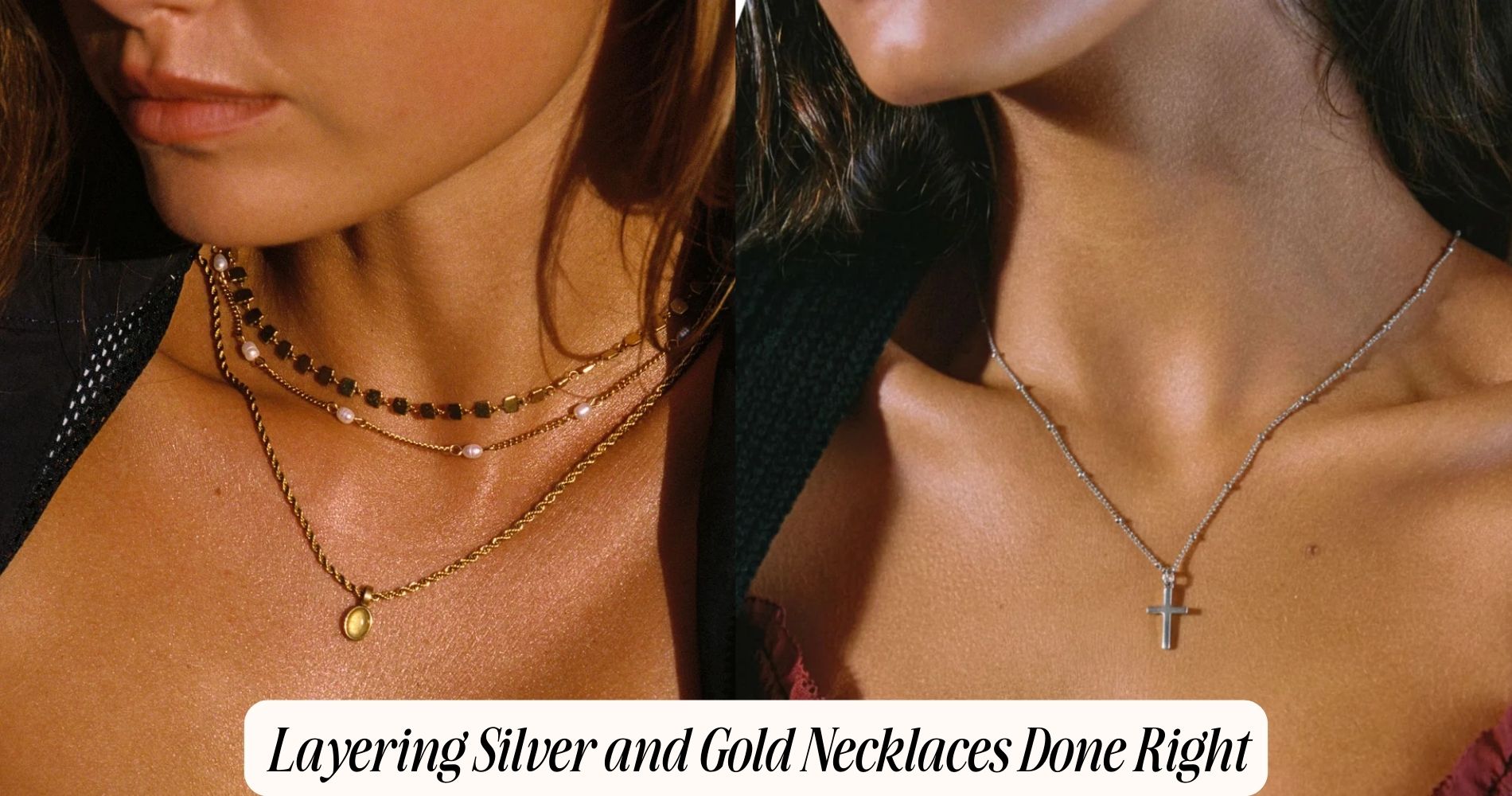
Is gold plated jewelry real gold? Yes — but only on the surface. Gold plated jewelry has a thin electroplated layer of real gold (typically 0.5–5 microns) bonded to a base metal like brass, copper, or sterling silver, so you’re wearing genuine gold outwardly while a different, lower-value metal forms the core—an important detail to know when shopping for sleek pieces like Atolea’s Minimalist Gold Necklaces collection. Its appearance and corrosion resistance depend on layer thickness and substrate, and the thin coating will wear with abrasion, sweat, or chemicals; keep reading to learn durability, tests, and care.
What Is Gold Plated Jewelry?
Gold plated jewelry consists of a base metal—commonly brass, copper, or sterling silver—coated with a thin layer of gold bonded by electroplating or mechanical bonding; the gold layer typically ranges from 0.5 to 5 microns thick.
You evaluate such items by recognizing that gold plating creates a surface finish rather than solid gold composition: substrate determines mechanical properties, while the plated layer provides appearance and limited corrosion resistance.
The gold plating process requires controlled current density, bath chemistry, time, and agitation to achieve uniform thickness and adhesion.
Common jewelry types include chains, pendants, rings, and earrings produced to meet aesthetic and cost targets.
You should expect varying durability and potential for wear dependent on layer thickness and substrate quality.

How Is Gold Plated Jewelry Made?
Although it looks simple, plating requires a controlled sequence of surface preparation, metallurgical bonding, and quality checks to produce durable, uniform gold layers.
You first degrease and mechanically polish the base metal to remove contaminants and micro-roughness that impair adhesion. Next you apply a chemical or electrochemical activation layer—nickel or copper is common—to equalize surface potential and limit diffusion.
The gold plating process typically uses electroplating: you immerse the part in a gold-bearing electrolyte and apply current to drive gold ion reduction onto the substrate.
Process parameters—Current density, temperature, bath composition, and time—are tightly controlled per jewelry manufacturing techniques to achieve target thickness and grain structure.
Final inspections include thickness measurement, adhesion tests, and visual defect screening.
Vermeil vs Gold-Filled vs Gold Plated : What’s the Difference?
How do vermeil, gold-filled, and gold-plated pieces differ in construction and performance?
You should assess base metal, gold thickness, and bonding method.
Vermeil uses sterling silver substrate with a minimum 2.5 micron 10k–24k gold layer; its vermeil advantages include hypoallergenic base and higher gold content per industry standards.
Gold-filled items mechanically bond a thick layer of karat gold to a base metal with heat and pressure; gold filled durability stems from that substantial bonded layer, often 5% or more of total weight.
Gold-plated jewelry electroplates a thin gold layer (microns or less) onto base metal.
Performance differences: vermeil and gold-filled resist wear and tarnish better due to thicker gold and quality substrates; plated pieces show quicker surface wear and require more careful handling.

How Long Does Gold Plating Last, and What Shortens It?
Because plating thickness, substrate, and wear conditions directly determine longevity, you can’t give a single lifespan for gold-plated jewelry — typical thin electroplating (measured in nanometers to a few tenths of a micron) often shows visible wear within months of frequent use, while heavier decorative plating or specialized finishes can last several years if handled gently.
You should expect gold durability to correlate strongly with plating thickness and the underlying metal’s corrosion resistance.
Abrasion, friction, sweat (salt, oils), chemicals (perfume, chlorine, cleaning agents), and impact accelerate loss by removing or altering the gold layer.
Storage, avoidance of moisture and chemicals, and limited contact reduce degradation.
Replating restores appearance but requires assessment of substrate condition and removal of degraded plating for peak adhesion.
How to Tell Gold Plated Jewelry From Solid Gold at a Glance?
Want to tell plated from solid gold at a glance? Inspect for identifying marks first: solid gold items carry karat stamps (10K, 14K, 18K) or millesimal fineness (417, 585, 750).
Plated pieces may be marked “GP,” “GEP,” “RGP,” or lack karat/fineness numbers. Next, perform a weight comparison: hold the piece and compare to a same-size known solid gold item—solid gold feels noticeably heavier because gold’s density (19.3 g/cm³) exceeds base metals used under plating.
Examine edges, clasps and inside surfaces for color consistency; exposed base metal at wear points indicates plating. A magnet test can flag ferrous base metals but won’t distinguish gold from nonferrous alloys.
For definitive identification, request an assay or acid test from a professional.
How to Care for Gold Plated Jewelry to Make It Last?
If you want plated pieces to retain their appearance, treat them as thin-surfaced finishes with specific care routines: limit exposure to moisture, sweat, cosmetics, and abrasive contact, store items separately in soft pouches, remove jewelry before bathing or exercising, and clean gently with a soft, dry cloth or mild, pH-neutral soap followed by thorough drying.
You should adopt targeted cleaning techniques: use microfibre or cotton cloths, avoid ultrasonic cleaners and chemical dips, and perform spot cleaning with diluted soap and distilled water when necessary.
For long-term preservation, apply storage tips that minimize friction and humidity—silica gel packets, anti-tarnish strips, and individual compartments reduce degradation.
Inspect plating regularly for wear and replate professionally when substrate exposure appears.

When to Buy Plated Jewelry : and When to Choose Solid Gold?
Although plated jewelry offers an affordable, versatile option for trendy looks and occasional wear, you should choose solid gold when durability, hypoallergenicity, and long-term value matter.
You should buy plated pieces when you need low-cost, short-term fashion, are experimenting with styles, or expect limited exposure to abrasion, moisture, and chemicals.
When to buy plated items also depends on plating thickness (micro‑inch vs. micron), base‑metal composition, and anticipated wear frequency; choose thicker plating and inert bases for longer life.
Select Solid gold for items you’ll wear daily, for pierced skin contact, or when you require structural integrity (chains, rings with settings).
Solid gold’s homogeneous composition reduces allergenic risk and tolerates soldering and resizing.
Match choice to usage profile and maintenance willingness.
Resale Value and Repair Options for Plated Pieces?
Someone considering plated jewelry should understand that its resale value is minimal and its repair options are limited compared with solid gold.
You’ll recoup little monetary value because plating contributes negligible intrinsic metal worth; buyers price plated items primarily on condition and brand, not metal content.
For repair options, you can have worn plating reapplied, base-metal repairs performed, or settings tightened, but these interventions restore appearance rather than intrinsic value.
Replating frequency depends on wear, thickness (microns), and base alloy; expect periodic maintenance costs that may exceed original purchase price.
When evaluating trade-in or resale, document brand, condition, and plating thickness; expect offers below scrap-value thresholds used for solid gold.
Factor in limited repair options when choosing plated versus solid gold.

Frequently Asked Questions
Can Gold Plating Cause Allergic Reactions for Sensitive Skin?
Yes — you can experience allergic reactions from gold plating if underlying base metals or nickel diffuse through thin plating; sensitive skin reacts to metal ion exposure, so choose thicker plating, solid gold, or nickel-free alloys.
Is Gold Plated Jewelry Safe to Wear in Swimming Pools or the Ocean?
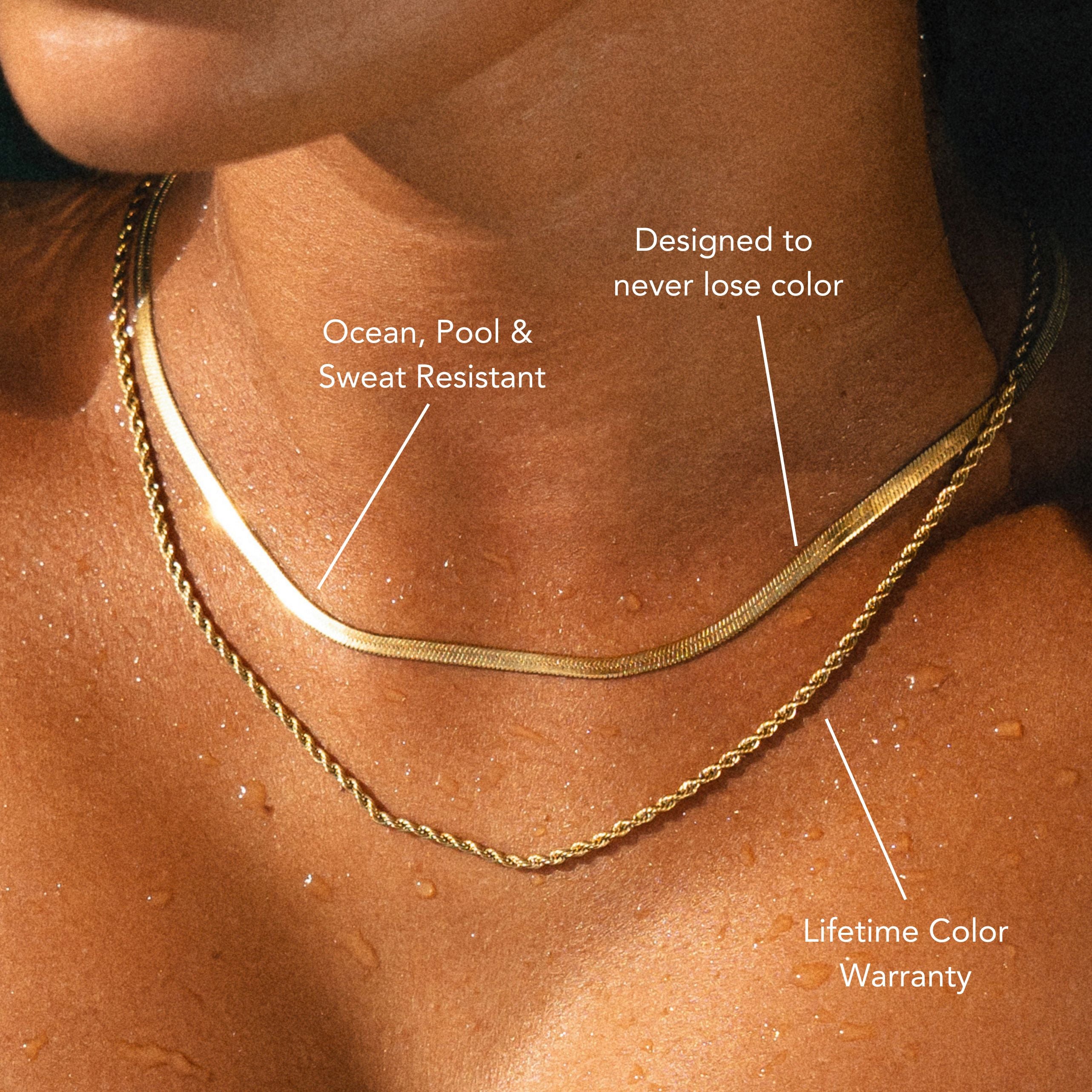
No — you shouldn’t regularly wear gold-plated jewelry in swimming pools or ocean exposure because chlorine, saltwater, and abrasion degrade plating, accelerate corrosion of base metals, and increase coating loss, reducing appearance and causing potential skin irritation.
Can You Resize Gold Plated Rings Without Removing Plating?
You generally can't resize gold plated rings without removing or risking the plating; ring resizing stresses plating durability, causing cracks or loss. For precise results, a jeweler will strip and replating after resizing to restore finish.
Are Gemstones Affected by the Gold Plating Process?
Yes — gemstones can be affected by gold plating: you’ll need to take into account gemstone durability and plating thickness, since softer or porous stones risk damage from cleaning, adhesives, or heat, while thicker plating offers marginal protective benefit.
Is Gold Plated Jewelry Suitable for Wedding or Engagement Rings?
Yes — you can choose gold plated rings, but you’ll assess durability, plating thickness, base metal corrosion, and wear resistance; they suit certain wedding styles and budget-conscious engagement alternatives, though long-term maintenance and replating are likely.
Conclusion
You’re dealing with a surface coating, not solid gold: gold-plated jewelry has a thin electroplated or mechanically applied gold layer over a base metal, so its purity and intrinsic value differ greatly from solid gold. Expect limited lifespan, wear-related loss of gold, and low resale value; maintenance and replating can extend use. Choose plated for fashion and low cost, solid gold for durability, investment, and repairability when long-term value and hypoallergenicity matter.





%20bonded%20to%20a%20base%20metal%20like%20brass,%20copper,...)
コメントを書く
このサイトはhCaptchaによって保護されており、hCaptchaプライバシーポリシーおよび利用規約が適用されます。