

Layering Silver and Gold Necklaces Done Right
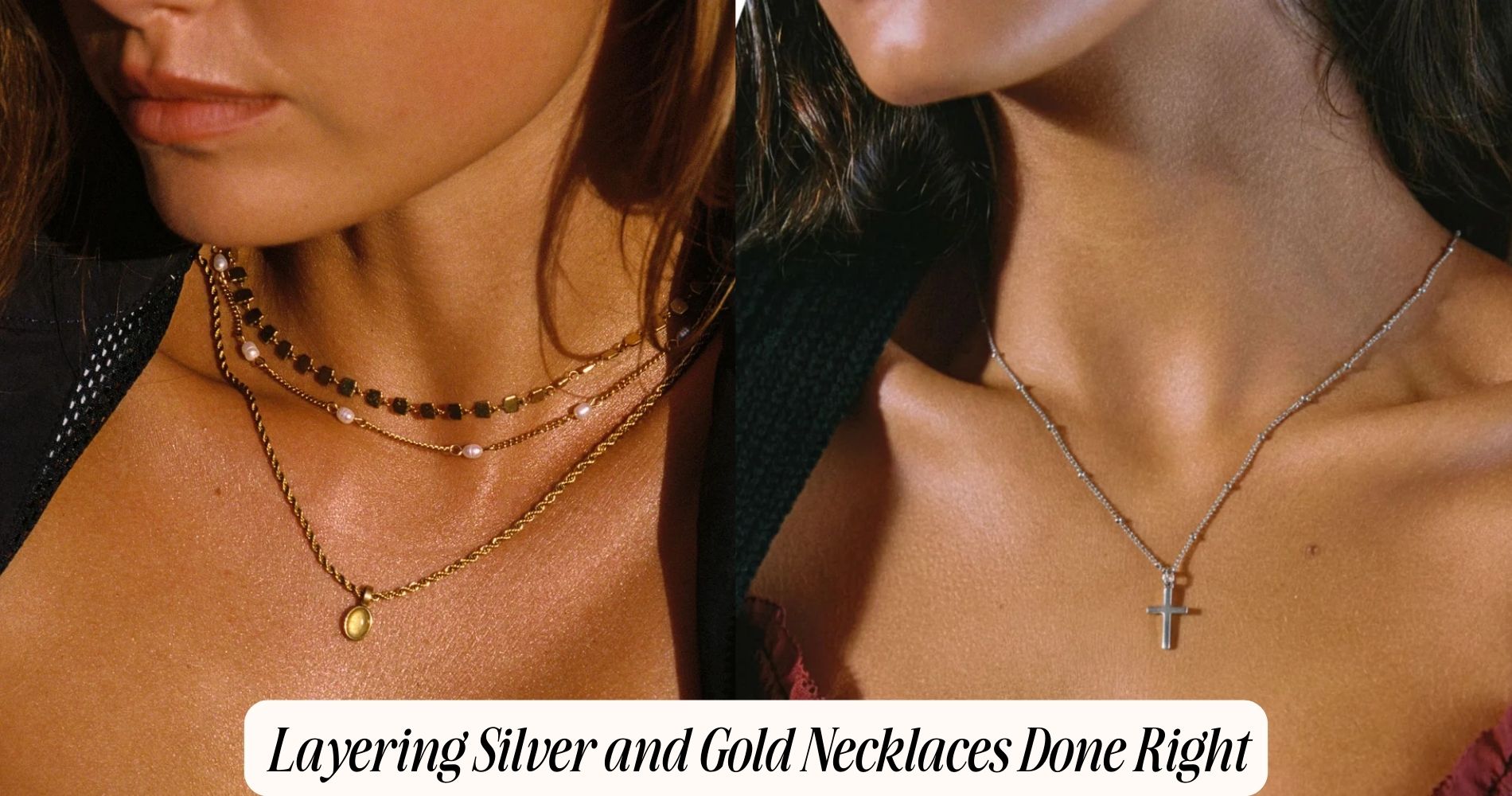
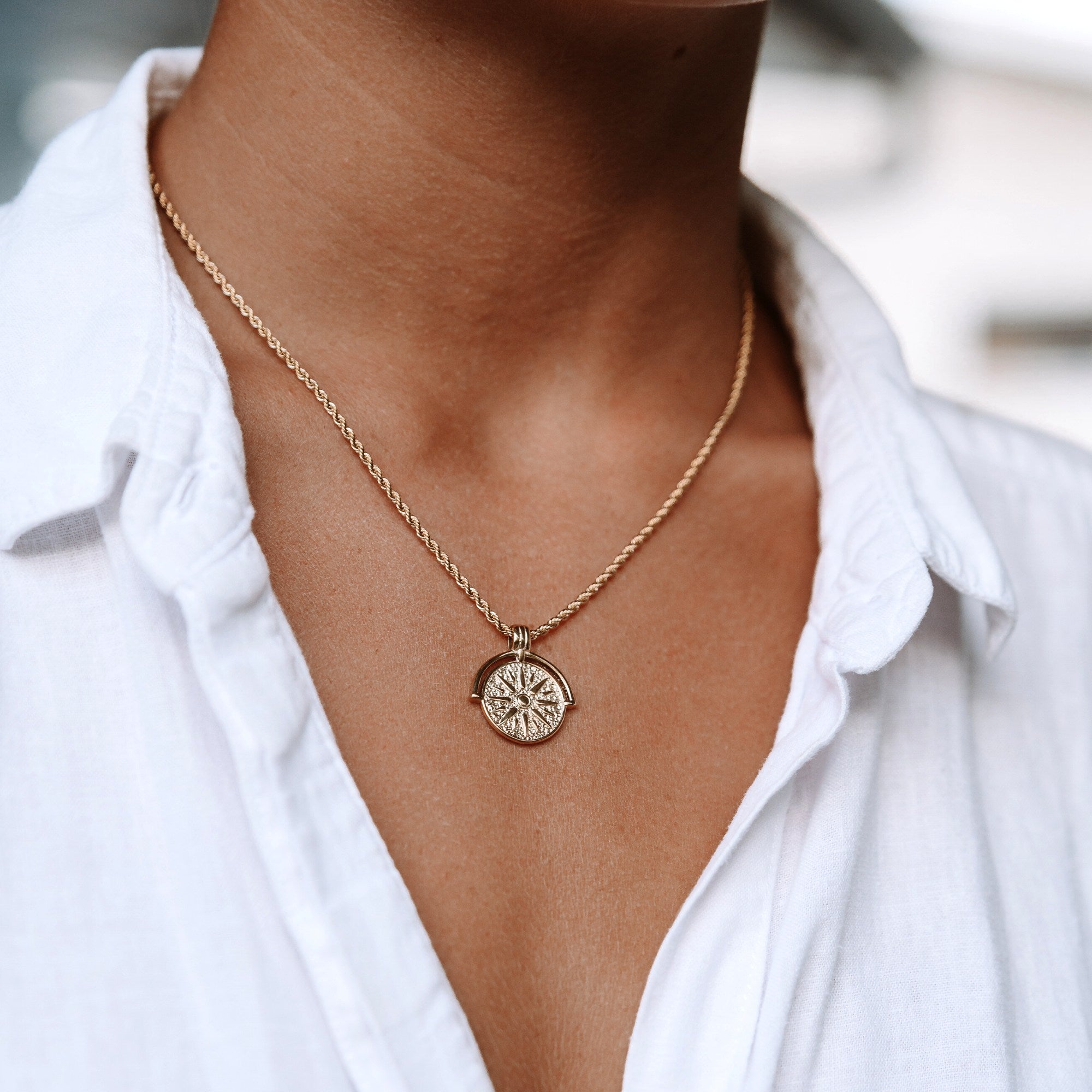
Layering silver and gold necklaces works beautifully when you choose one metal as your anchor and build around it with intention. Create clear tiers by spacing 3–5 necklaces about 2–4 inches apart to keep the look defined rather than cluttered—sleek staples from Atolea’s Minimalist Gold Necklaces collection make the perfect base layer. Vary chain textures and weights, feature one statement piece, and echo the accent metal in a clasp or pendant for cohesion. Match lengths to your neckline and keep proportions balanced for both daytime and evening outfits. Continue reading to learn how to tailor layering silver and gold necklaces to different styles and occasions.
One-Sentence Rule: How to Mix Silver and Gold Necklaces
When you're mixing silver and gold necklaces, stick to one simple rule: pick a dominant metal and let the other play supporting accents so the look feels intentional, not cluttered.
You’ll use layering techniques that balance texture, length, and weight—think delicate chains, a midweight pendant, and a chunkier short piece.
Keep color coordination tight: repeat the accent metal in a clasp, pendant detail, or earring to make the mix read as designed.
Vary chain styles to prevent muddiness, and space pieces so each has breathing room against your neckline.
If you stick to a clear focal point and echo small touches of the secondary metal, you’ll achieve a modern, polished layered finish without overcomplicating the ensemble.

Choose a Dominant Metal and Why It Matters
Because your layered look needs a visual anchor, pick one metal to lead and let the rest support it. You’ll choose a dominant metal based on outfit tone, skin undertone, or the piece you want to highlight.
Let that metal occupy the focal layer — the chunkier chain or the pendant closest to the eye — while secondary metals echo it subtly. That intentional hierarchy creates visual balance, preventing a cluttered or mismatched feel.
Don’t overthink rules: prioritize the metal that complements your wardrobe and the statement you want. Then add contrast pieces in smaller weights or simpler shapes so they enhance, not compete.
The result is a curated, modern mix that reads cohesive and effortless.
Match Necklace Lengths for Clean Mixed‑Metal Layers
If you want mixed metals to read crisp and intentional, match necklace lengths so each layer sits clearly apart instead of tangling or visually blending into a metallic muddle.
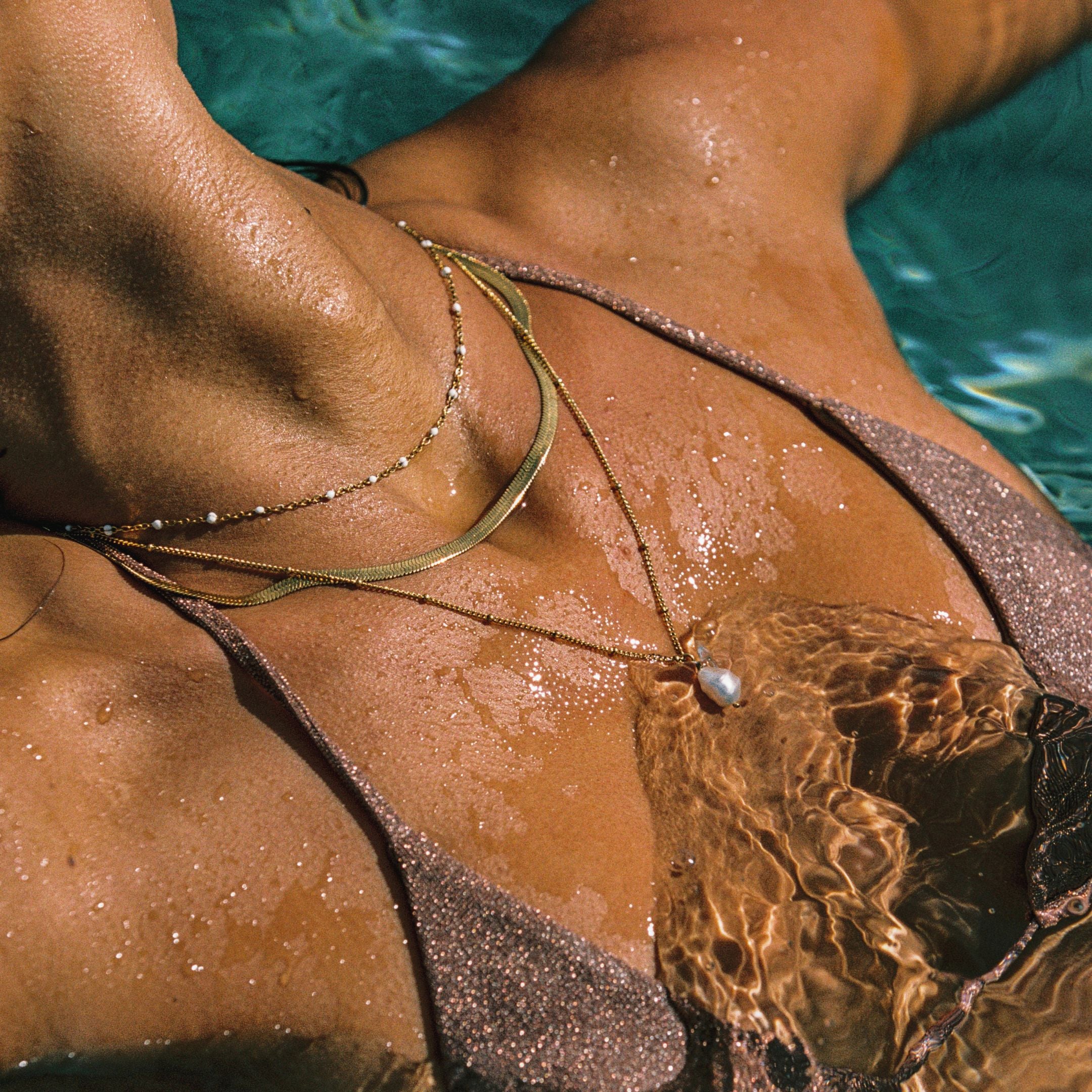
Start by selecting one short, one mid, and one long piece—think choker (14–16"), collar (16–18"), and pendant (20–24")—to create obvious tiers. You’ll control necklace proportions by keeping 2–4 inches between each length, which prevents overlap and preserves contrast between silver and gold.
Apply layering techniques by arranging focal points at different heights: a tiny charm near the throat, a mid pendant at the collarbone, and a drop piece lower. That spacing reads modern and deliberate, letting mixed metals coexist without fighting for attention or creating clutter.

Pair Textures and Chain Styles That Work Together
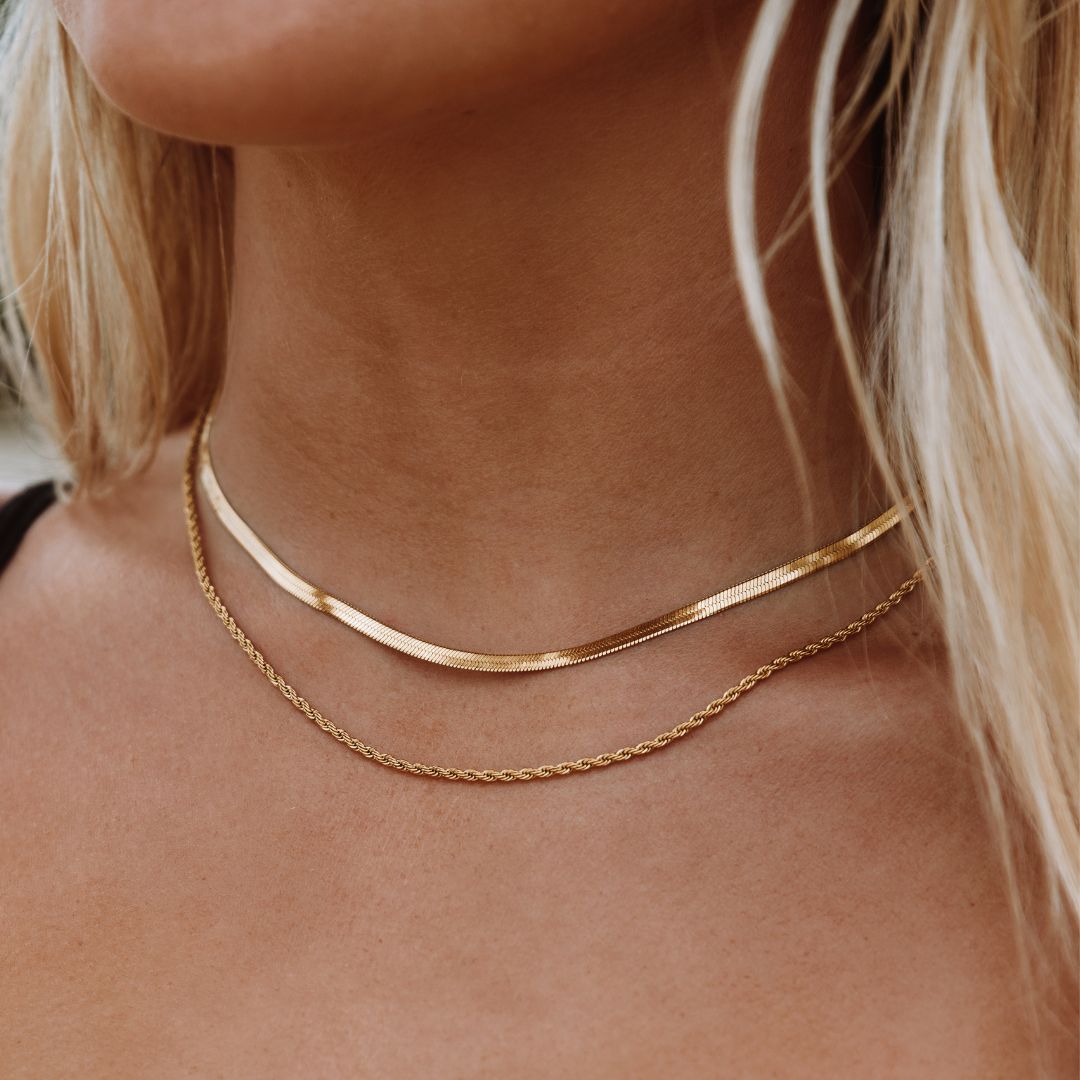
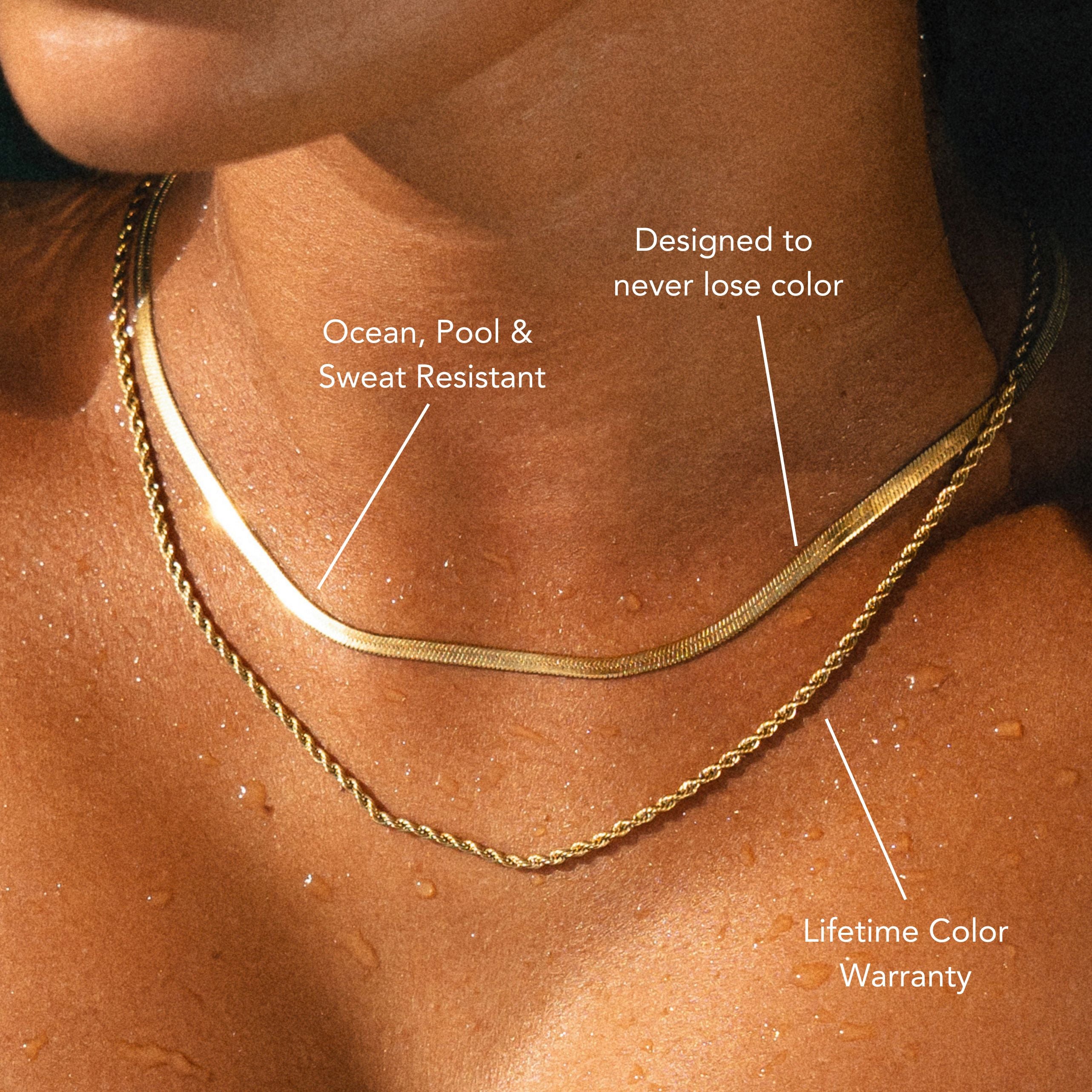
Texture matters as much as metal—mixing a smooth snake chain with a hammered disc or a fine cable with a chunky curb creates contrast that reads intentional, not chaotic.
You’ll want to balance texture combinations so each piece speaks without competing: pair one bold, tactile link with one refined, sleek strand.
Think about weight and movement — lighter chains sit near the throat; heavier textures anchor lower layers.
Keep color shifts subtle to preserve chain harmony: alternate silver and gold but repeat a texture to tie the set together, like repeating a cable in different gauges.
Limit highly detailed pieces to one layer so your look stays modern and edited.
When in doubt, choose variety in texture, unity in proportion.
Create a Focal Pendant: Scale, Placement, and Material
When you add a focal pendant, think scale first: it should read as the anchor of your layers without overwhelming your neckline.
Choose pendant size that balances the shortest and longest chains—aim for contrast but keep proportions flattering to your collarbone.
Place the pendant where it naturally sits against your skin; mid-chest works for most mixes, while a higher placement suits delicate multi-strand looks.
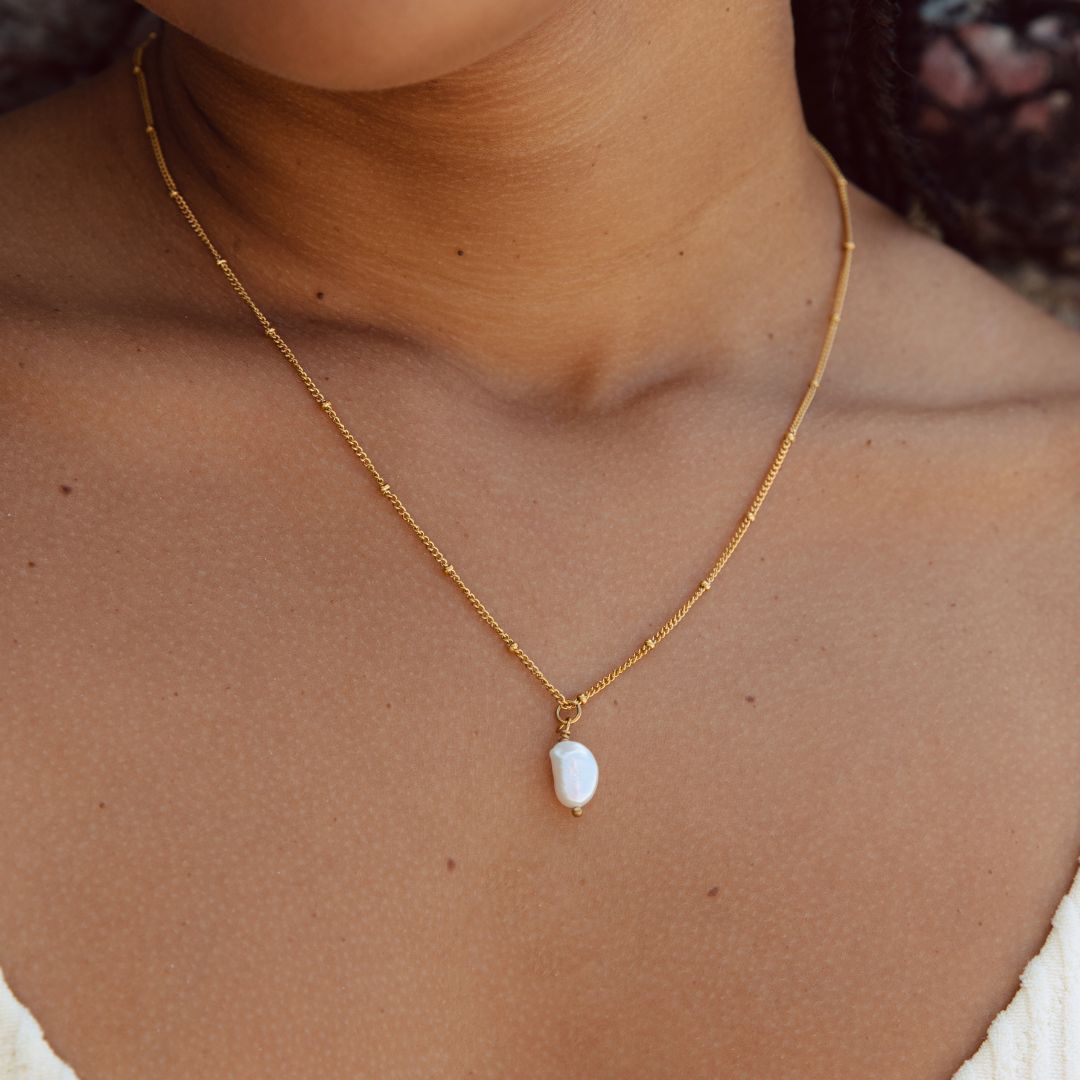
Mix pendant materials thoughtfully: textured silver, warm gold, or gemstone accents create interest without chaos.
Match bail size to chain thickness so the piece moves freely.
If you wear patterned or open necklines, scale down; with simple tops, you can go bolder.
Let one statement pendant guide the rest of your layering decisions.
Warm Gold vs Cool Silver: Simple Color-Temperature Tips
Although your skin tone can guide you, don’t feel bound to strict rules—warm golds and cool silvers each bring a distinct mood and can be mixed strategically.
You’ll use simple color theory: gold reads warm and intimate; silver reads cool and modern. Pair tones to reinforce an outfit’s vibe—gold for cozy textures, silver for crisp fabrics.
For balanced metal harmony, pick one dominant metal and add small accents of the other to avoid visual competition. Match finishes (polished with polished, matte with matte) to keep the look cohesive.
If you want subtle contrast, layer one warm gold piece between two cool silver strands; it creates rhythm without clashing. Trust proportion and repetition over rigid matching, and you’ll achieve contemporary, polished layers.

Layering by Neckline: Crew, V, Scoop, Off‑Shoulder
Picking metals by mood was a smart start—now think about how necklaces sit against the shapes you wear.
For crew necks, keep layering techniques tight and short: choker plus a delicate pendant prevents overcrowding and complements high collars.
V-necks call for graduated lengths that echo the V; choose a longer pendant as focal point with a shorter chain to frame the décolletage.
Scoop necklines welcome rounded layers—mix curved collar chains with a mid-length chain to mirror the neckline’s arc.
Off-shoulder tops need balance: let one statement piece breathe, or stack two lightweight chains at different lengths to highlight exposed shoulders without competing.
Match scale to fabric weight, and use contrast in texture or metal finish to keep looks modern.
Day-to-Night Mixed‑Metal Looks and Occasion Ideas
Want to take a mixed‑metal necklace combo from desk to drinks? Start with a simple silver chain and a delicate gold pendant for work—it's professional, modern, and pairs with blazers or silk blouses.
For casual outings, add a short vermeil choker or a textured silver link to keep things relaxed and layered without clutter.
To shift into elegant evenings, swap the pendant for a bolder gold locket or add a long, gem‑accented silver station necklace that catches light.
Keep proportions clear: one statement piece, one minimal layer. Match metals in hardware on bags and shoes for cohesion.
Finish with subtle matching earrings. These quick swaps move your look seamlessly between settings while staying polished and on‑trend.
Common Layering Mistakes and Quick Fixes
When your layers look cluttered or compete for attention, a few quick fixes will rescue the look—start by simplifying: choose one focal necklace and pair it with two understated pieces of varying lengths to restore balance.
If chains tangle or sit at the same level, stagger lengths by 1–3 inches to create breathing room; this basic layering techniques rule prevents crowding.
Watch scale: swap a chunky pendant for a slim bar if it overwhelms your neckline—necklace proportion matters more than matching metals.
If textures clash, unify with a repeating element (tiny beads or minimalist links).
For constant tangles, clip and secure shorter chains or use a layering clasp.
These quick adjustments keep mixed-metal styling polished and effortless.
Build a Versatile Mixed‑Metal Necklace Capsule
If you’re aiming for a streamlined mixed‑metal necklace capsule, start with a small, complementary set you’ll actually wear: a short gold chain, a mid‑length silver pendant, and a longer, warm‑tone link or beaded strand.
From there, pick two neutral necklace types for versatility — a delicate chain and a subtle pendant — plus one statement piece you can swap in.
Use consistent clasp finishes and adjust lengths so each piece sits clearly without tangling.
Apply simple layering techniques: vary textures, alternate metals, and balance weight to keep the look intentional.
Packable, low-maintenance choices let you adapt to day or night.
Stick to about three to five pieces total; that keeps styling quick, cohesive, and genuinely wearable.

Frequently Asked Questions
How Do I Care for Mixed-Metal Necklaces to Prevent Tarnish?
You should store mixed-metal necklaces separately, avoid moisture, and wipe them after wear for tarnish prevention. Use gentle metal cleaning cloths, mild cleaners for spot treatment, and don’t wear them in pools or during workouts.
Can I Mix Plated and Solid Precious Metals Safely?
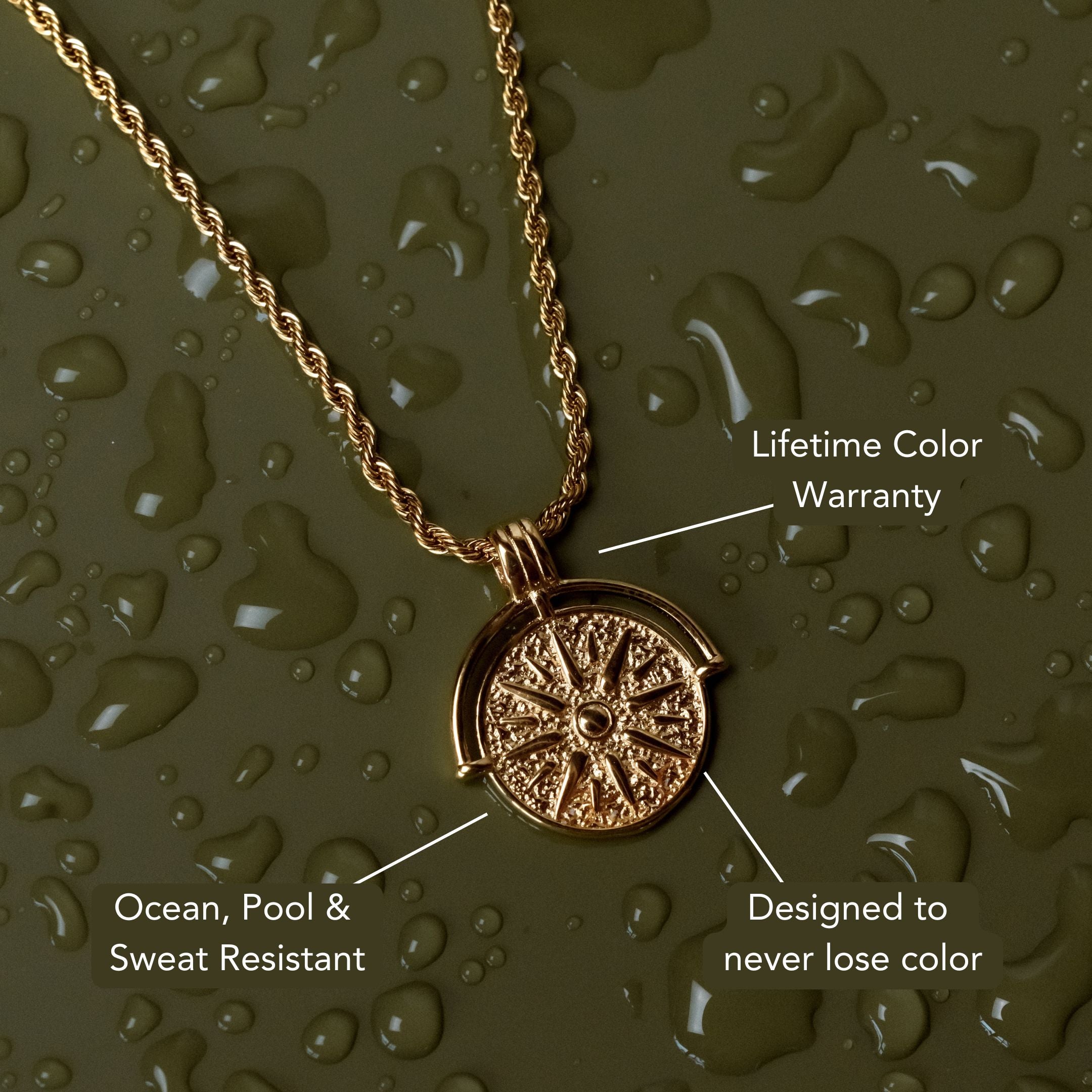
Yes — you can mix plated and solid pieces, but plated durability varies, so keep plated items away from sweat, perfumes, and abrasion; prioritize metal compatibility, rotate wears, and store separately to protect finishes and extend life.
Are Magnetic Clasps Okay for Layered Necklaces?
Yes — magnetic clasps work well for layered necklaces: they speed dressing, reduce tangles, and suit delicate layering techniques, but you'll want strong magnets and secure connectors to prevent accidental release and keep your look polished.
How Do I Store Layered Necklaces to Avoid Tangling?
Store each layered set in necklace organizers with separate hooks or compartments; you’ll secure clasps, lay chains flat, and use anti-tangle strips or pouches. This tangling prevention keeps pieces ready, polished, and effortlessly wearable.
Can Men Wear Mixed Silver and Gold Layered Necklaces?
Yes — you can. You’ll mix metals confidently by using layering techniques like varied lengths, textures, and focal pieces; stick to cohesive style tips, balance proportions, and keep overall outfits minimal so the mixed silver and gold look intentional and modern.
Conclusion
Mixing silver and gold necklaces is easy when you keep it intentional: pick a dominant metal, vary lengths for clean tiers, and balance textures so chains read cohesive. Anchor your look with a focal pendant sized for the neckline, then tweak for day or night by swapping pendants or adding a delicate chain. Avoid crowded layers by editing, and build a small capsule of go-to pieces that’ll carry every outfit — polished, modern, and effortlessly mixed.





コメントを書く
このサイトはhCaptchaによって保護されており、hCaptchaプライバシーポリシーおよび利用規約が適用されます。